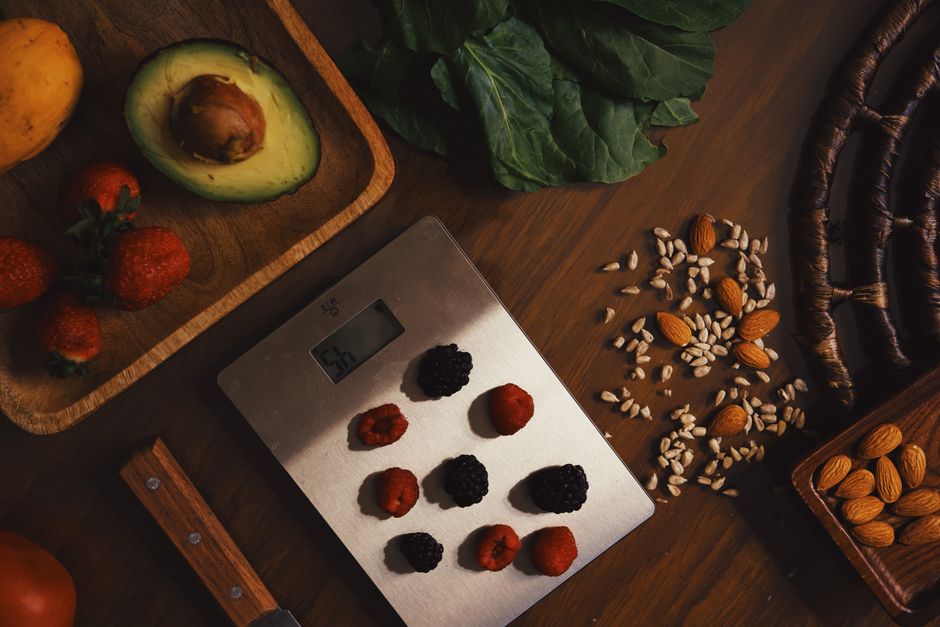
You open the fridge and see healthy food, but somehow the scale won’t move. The problem isn’t what you eat. It is how you combine those foods on your plate.
Balancing food for weight loss means structuring each meal with enough protein, fiber, and fat to keep your blood sugar steady and your appetite quiet. You do not need to cut out entire food groups or eat tiny portions. You need to shift the ratios on your plate so your body feels satisfied on fewer calories. This article will show you exactly how to build those balanced meals without guesswork.
Key Points at a Glance
| Point | What It Means | Why It Matters |
|---|---|---|
| Protein first | Fill one-quarter of your plate with lean protein at every meal. | Protein keeps you full longer and requires more calories to digest. |
| Fiber from vegetables | Cover half your plate with non-starchy vegetables. | Fiber adds volume without many calories and slows digestion. |
| Smart carbs | Choose whole grains or starchy vegetables for the last quarter. | Whole carbs provide steady energy instead of a blood sugar spike. |
| Healthy fat | Add a small amount of fat — about one tablespoon of oil or a quarter of an avocado. | Fat helps you absorb vitamins and makes meals feel satisfying. |
| Portion awareness | Use your hand as a guide — palm for protein, fist for veggies, cupped hand for carbs, thumb for fat. | Hand portions are portable and do not require a scale. |
What Does “How to Balance Food for Weight Loss” Actually Mean?
Balancing food is not about eating less. It is about eating differently. The standard American plate is heavy on refined carbs and light on protein and vegetables. That combination triggers hunger within two hours and makes you reach for snacks.
A balanced plate changes that pattern. When you learn how to balance food for weight loss, you are essentially building a meal that keeps your blood sugar stable. Stable blood sugar means fewer cravings and more energy between meals. I notice this most with my own breakfast — swapping a bagel for eggs and spinach keeps me full until noon without a single snack.
Practical Tip: Start with your protein portion first. Decide how much chicken, fish, eggs, or tofu you will eat. Then build the rest of the plate around it. This single shift makes balancing the rest much easier.
How Much Protein Do You Need for Weight Loss?
Most women in this age group eat far less protein than they need. Aim for about 20 to 30 grams of protein per meal. That is roughly the size of your palm for meat, or one cup of Greek yogurt for plant-based options.
Protein has a higher thermic effect than carbs or fat. Your body burns about 20 to 30 percent of the calories from protein just digesting it. That means a 300-calorie chicken breast effectively nets you around 220 calories. This is why protein is the foundation of any balanced eating plan.
What Should Your Plate Look Like at Each Meal?
The simplest visual guide is the plate method. Imagine your dinner plate divided into four quadrants. Two quadrants are non-starchy vegetables. One quadrant is lean protein. One quadrant is a whole-food carbohydrate like quinoa, sweet potato, or beans.
Add a small amount of healthy fat — about one tablespoon of olive oil on your vegetables or a quarter of an avocado on the side. That is it. No measuring cups, no apps, no stress. I keep a bag of pre-washed spinach in my fridge at all times so I can fill half my plate without thinking.
What Counts as a Non-Starchy Vegetable?
Think leafy greens, broccoli, cauliflower, bell peppers, zucchini, asparagus, cucumbers, and tomatoes. These vegetables are low in calories and high in fiber and water. They literally fill your stomach without filling your calorie budget.
What Counts as a Whole-Food Carbohydrate?
Choose options that still have their fiber intact. That means brown rice instead of white rice, whole oats instead of instant oatmeal, and whole fruit instead of juice. Starchy vegetables like potatoes and corn also fit here, but keep the portion to about one cup.
How to Balance Food for Weight Loss Without Feeling Hungry
Hunger is the number one reason women abandon their weight loss efforts. The fix is not willpower. The fix is building meals that include enough protein, fiber, and fat to trigger your body’s satiety signals. Those three nutrients work together to slow stomach emptying and signal your brain that you are full.
If you are hungry an hour after a meal, your plate was not balanced. Go back and check your protein portion first. Then check your vegetable portion. Most of the time, one of those two was too small. I used to skip veggies at lunch and wonder why I was starving by 3 PM. Adding a handful of spinach to my sandwich changed everything.
Practical Tip: Eat your vegetables first at each meal. Then eat your protein. Save your carbs for last. This simple ordering trick naturally limits how many carbs you eat because you are already partially full.
Common Mistakes Women Make When Balancing Food
The biggest mistake is cutting out entire food groups. Fat is not the enemy. Carbohydrates are not the enemy. The problem is the ratio. A plate with no fat leaves you unsatisfied. A plate with no carbs leaves you low on energy. Balance means including all three in the right amounts.
Another mistake is relying on “healthy” packaged foods. A granola bar is not a balanced meal. It is sugar and oats with a little protein at best. Real whole foods always outperform processed alternatives for satiety and nutrient density. Your body knows the difference.
Frequently Asked Questions
Related Articles
How many calories should I eat to lose weight?
That depends on your age, height, weight, and activity level. Use a TDEE calculator to find your maintenance calories, then subtract 300 to 500 calories for gradual weight loss.
Can I eat carbs at night and still lose weight?
Yes. Total daily calories matter more than the timing of your carbs. A balanced dinner with protein, vegetables, and a smart carb portion is fine at any hour.
Do I need to count calories to balance my food?
Not necessarily. The plate method and hand portions work well for most women. If the scale stops moving for several weeks, tracking for a few days can help you spot hidden imbalances.
What is the best breakfast for balanced eating?
Aim for at least 20 grams of protein, a vegetable or fruit, and a small serving of whole carbs. Eggs with spinach and a slice of whole-grain toast works well. Greek yogurt with berries and a tablespoon of nuts is another solid option.
How do I balance food when eating out?
Look for grilled or baked protein, ask for extra vegetables instead of fries, and request sauces on the side. Most restaurants will accommodate these requests without issue.
Can I use protein powder to help balance my meals?
Protein powder is a convenient tool, not a replacement for whole foods. Use it when you are short on time, but aim to get most of your protein from real food sources like meat, eggs, dairy, and legumes.

The TDEECAL Team writes about nutrition, metabolism, and fat loss the way we built our calculator, with real numbers and no hype. We dig into the research so you don’t have to guess.