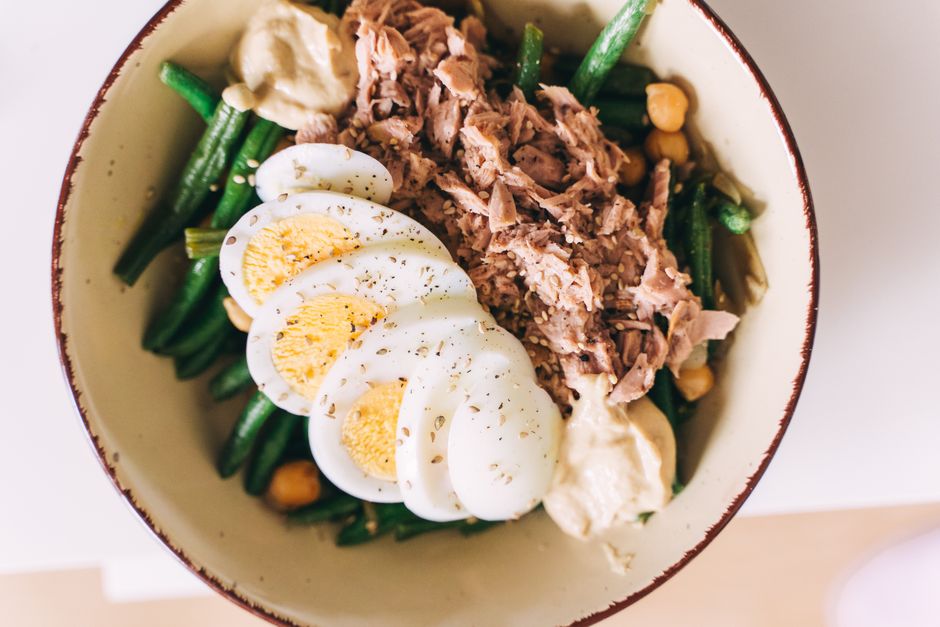
You’ve seen the claims online and heard friends rave about it. But before you overhaul your kitchen, let’s cut through the noise. The short answer is yes, a diet that is high protein low carb can be effective for weight loss, primarily because it helps control appetite and preserves muscle mass while your body burns fat. This article breaks down the actual science behind this approach, what the common pitfalls are, and how to apply it without feeling miserable.
Many women over 35 find that traditional low-fat diets leave them hungry and low on energy. A higher protein, lower carb approach targets that specific problem. It changes how full you feel after meals and can make sticking to a calorie deficit much easier over the long haul.
We will cover the specific protein targets that matter, the real role of carbohydrates, and how to spot the diet plans that promise too much. This is not a magic bullet, but it is a solid strategy backed by decent research.
Key Points at a Glance
| Point | What It Means | Why It Matters |
|---|---|---|
| Protein Target | Aim for 1.2 to 1.6 grams of protein per kilogram of body weight daily. | This range is linked to better appetite control and muscle retention during weight loss. |
| Carbohydrate Intake | Typically 20-50 grams of net carbs per day, depending on the plan. | Lowering carbs can reduce insulin spikes and encourage your body to use stored fat for fuel. |
| Calorie Deficit | This diet still requires a calorie deficit to lose weight. | It is a tool to make a deficit easier, not a replacement for the basic math of weight loss. |
| Muscle Preservation | High protein intake helps prevent muscle loss that often occurs with calorie restriction. | More muscle keeps your metabolism higher, which helps prevent weight regain. |
How Does a High Protein, Low Carb Diet Work for Weight Loss?
The primary mechanism is satiety. Protein is the most filling macronutrient. When you eat enough of it, your body releases hormones that signal fullness. This naturally reduces your overall calorie intake without the constant feeling of deprivation that comes with other diets.
At the same time, restricting carbohydrates lowers your insulin levels. Lower insulin makes it easier for your body to access stored body fat for energy. This combination of lower hunger and better fat burning is what makes this approach work for many people. A common mistake is cutting carbs too low without increasing protein enough, which leaves you tired and hungry.
What Protein Intake Is Best for Weight Loss?
For most women actively trying to lose weight, a solid target is between 80 and 110 grams of protein per day. This is a more practical number than a percentage of calories. You can hit this by including a serving of protein at every meal and snack.
Good sources include chicken breast, fish, eggs, Greek yogurt, and tofu. If you are struggling to meet your protein goals, a quality protein powder can help fill the gap. Spreading your protein intake across the day is more effective than eating it all in one meal.
Is High Protein Low Carb Diet Good for Weight Loss for Everyone?
It works well for many, but it is not a universal solution. Women with certain medical conditions, like kidney disease, need to be cautious with high protein intakes and should talk to their doctor first. The diet can also be harder to stick with socially, as it limits many common foods.
The evidence is strongest for short-term weight loss, typically over 6 to 12 months. Long-term success depends on whether you can transition to a sustainable eating pattern afterward. The best diet is always the one you can actually follow consistently.
Common Mistakes and What to Avoid
The biggest mistake is eating too much fat while assuming you can ignore calories. A high protein, low carb diet is not a free pass to eat unlimited cheese and bacon. You still need a calorie deficit. Track your intake for at least a few weeks to understand your portions.
Another common error is cutting out all vegetables. Non-starchy vegetables are low in carbs and high in fiber, which helps with digestion and fullness. Do not skip them. Focus on leafy greens, broccoli, cauliflower, and bell peppers.
Finally, do not forget electrolytes. When you lower carbs, your body flushes out more water and sodium. This can cause fatigue, headaches, and muscle cramps. Make sure you are getting enough salt, potassium, and magnesium.
To make tracking easier, use the TDEE Calculator to find your baseline calorie needs and adjust your protein and carb targets from there.
Related Articles
Frequently Asked Questions
Will I lose weight faster on a high protein low carb diet?
You may see a faster initial drop due to water loss, but overall fat loss depends on your calorie deficit.
Can I eat fruit on this diet?
Yes, but stick to lower-sugar options like berries in moderate portions to stay within your carb limit.
How long should I stay on a high protein low carb diet?
Most people use it for 3 to 6 months to lose weight, then gradually add healthy carbs back in.
What happens if I eat too much protein?
Excess protein can be stored as fat, and very high intakes may strain your kidneys over time.
Is this diet safe for women over 50?
It can be safe, but you should prioritize protein to counter age-related muscle loss and monitor your kidney function.
Do I need to count calories on this diet?
Yes, for most people, counting calories for a few weeks helps ensure you are in a true deficit.

The TDEECAL Team writes about nutrition, metabolism, and fat loss the way we built our calculator, with real numbers and no hype. We dig into the research so you don’t have to guess.