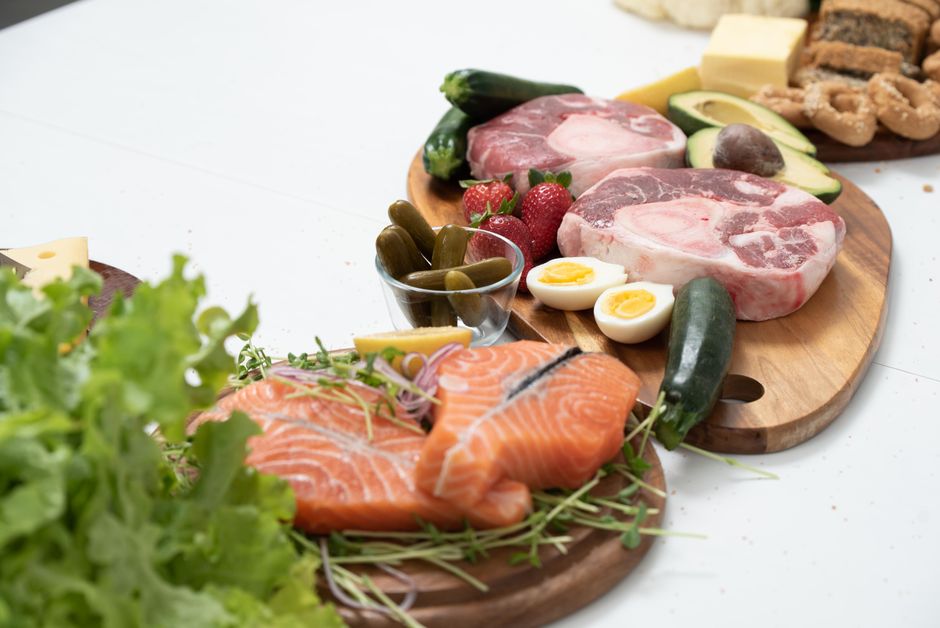
You have probably seen the low carb high protein diet promoted everywhere from fitness forums to your neighbor’s Instagram. The question is whether this eating pattern actually delivers on its weight loss promises or if it is just another trend. A diet that is low carb high protein can lead to short-term weight loss for many people, but its long-term success depends heavily on food choices, calorie balance, and whether you can stick with it.
This article gives you a clear, evidence-based look at how this diet works for weight loss. We will cover what the research says about protein and carbs, how to avoid common pitfalls, and what to expect in real life. You will get practical advice you can use today, not generic tips that ignore your actual kitchen and schedule.
Key Points at a Glance
| Point | What It Means | Why It Matters |
|---|---|---|
| Protein increases fullness | Protein takes longer to digest than carbs, keeping you satisfied between meals. | You may eat fewer total calories without feeling hungry all the time. |
| Low carb reduces water weight quickly | When you cut carbs, your body sheds stored glycogen and the water attached to it. | This causes fast initial weight loss on the scale, but it is not fat loss. |
| Food quality matters more than the label | A diet of bacon and cheese is low carb high protein but not healthy. | Nutrient-dense sources like lean meat, fish, eggs, and vegetables support real health. |
| Calories still count | Even low carb high protein diets cause weight loss only when you eat fewer calories than you burn. | You cannot outsmart thermodynamics by changing macronutrient ratios alone. |
What Does Low Carb High Protein Actually Mean for Weight Loss?
The basic idea is simple: you reduce carbohydrate intake and increase protein intake. Most versions of this diet limit carbs to 50 to 150 grams per day, depending on the plan. Protein intake usually rises to 25 to 35 percent of total daily calories, sometimes higher.
For weight loss, the main advantage is appetite control. Protein triggers the release of hormones like PYY and GLP-1 that signal fullness to your brain. I have seen this work in my own kitchen — when I eat eggs and vegetables for breakfast instead of cereal, I do not feel the mid-morning slump or the urge to snack before lunch. That natural calorie reduction is the real mechanism here, not some metabolic magic.
Practical tip: Use a TDEE calculator to find your maintenance calories first. Then subtract 300 to 500 calories for weight loss. This gives you a calorie target that works regardless of your carb and protein intake.
How Much Protein Do You Need to Lose Weight?
The research suggests that protein needs increase when you cut calories and carbs. A common recommendation is 1.2 to 1.6 grams of protein per kilogram of body weight per day. For a 160-pound woman, that is about 87 to 116 grams of protein daily.
Spreading protein across three to four meals works better than eating it all at dinner. Your body uses protein more efficiently for muscle maintenance and appetite control when you eat it regularly throughout the day. I find that aiming for at least 25 to 30 grams per meal makes this easier to manage without obsessing over every gram.
Is Low Carb High Protein Diet Good for Weight Loss in the Long Run?
The short answer is that it can be, but the evidence is mixed. Studies lasting six months or less often show that low carb high protein diets produce more weight loss than standard low fat diets. But when you look at studies lasting one to two years, the difference between diet types tends to shrink or disappear entirely.
Long-term success depends on adherence. A diet that is low carb high protein works only if you can eat that way for months or years. Many people find it sustainable at first but struggle to maintain it during social events, holidays, or stressful periods. The best diet for you is the one you can actually follow consistently.
Common Mistakes People Make on This Diet
One major mistake is ignoring vegetable intake. Cutting carbs often means cutting vegetables, which are your main source of fiber, vitamins, and minerals. Fiber helps with fullness and digestive health, so skimping on vegetables works against your goals. Aim for at least three to four servings of non-starchy vegetables each day.
Another mistake is eating too much saturated fat. While fat is not the enemy, a diet high in bacon, butter, and full-fat cheese can raise LDL cholesterol in some people. Choose unsaturated fats from sources like olive oil, avocado, nuts, and fatty fish instead. Your heart health matters as much as your weight.
What to Eat and What to Avoid
Focus your meals around lean proteins like chicken breast, turkey, fish, eggs, and tofu. Include plenty of vegetables like spinach, broccoli, cauliflower, bell peppers, and zucchini. Healthy fats from olive oil, avocado, and nuts round out your meals and keep you satisfied.
Limit or avoid refined carbs like white bread, pasta, sugary cereals, pastries, and soda. These foods spike your blood sugar and leave you hungry again quickly. Whole food sources of carbs like sweet potatoes, oats, and beans are fine in moderate amounts — you do not need to eliminate them entirely to see results.
Frequently Asked Questions
Related Articles
Can I eat fruit on a low carb high protein diet?
Yes, but choose lower sugar options like berries, which have more fiber and fewer carbs than bananas or grapes. A half cup of blueberries or strawberries fits easily into most low carb plans.
Will I lose muscle on this diet?
Not if you eat enough protein and include resistance training. High protein intake actually helps preserve muscle during weight loss, which keeps your metabolism higher.
Is this diet safe for women over 50?
Yes, with attention to calcium and vitamin D intake. Choose protein sources like Greek yogurt, sardines, and leafy greens to support bone health while losing weight.
How fast will I lose weight eating low carb high protein?
Most people lose 2 to 4 pounds in the first week, mostly water weight. After that, fat loss averages 1 to 2 pounds per week, which is a safe and sustainable rate.
Do I need to count calories on this diet?
Not strictly, but you should be aware of portion sizes. Many people naturally eat fewer calories when protein is high and carbs are low, but overeating calorie-dense foods can still stall progress.
Can I follow this diet as a vegetarian?
Yes, but it requires more planning. Focus on eggs, Greek yogurt, cottage cheese, tofu, tempeh, and protein powders to meet your protein needs without relying on meat.

The TDEECAL Team writes about nutrition, metabolism, and fat loss the way we built our calculator, with real numbers and no hype. We dig into the research so you don’t have to guess.