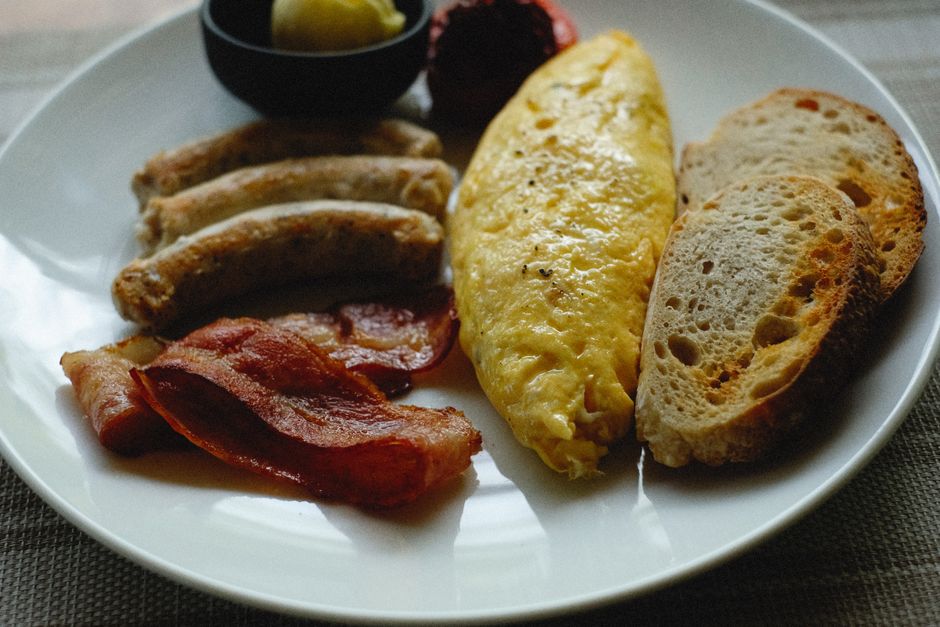
Omelets are a breakfast staple for many, but if you are watching your weight, you might wonder if they are actually helping or hurting your efforts.
Yes, eating an omelet is good for weight loss — when it is made with whole eggs, plenty of vegetables, and cooked with minimal oil or butter. An omelet provides high-quality protein and healthy fats that help you feel full for hours, which can naturally reduce your total calorie intake later in the day. The key is how you build it and what you pair it with.
Most generic advice about omelets for weight loss is too vague or skips the details that actually matter. This article covers the specific ingredients, portion sizes, and cooking methods that make an omelet a smart choice for weight loss — and the common mistakes that turn it into a calorie bomb instead.
Key Points at a Glance
| Point | What It Means | Why It Matters |
|---|---|---|
| Protein keeps you full | An omelet with 2–3 eggs provides 12–18 grams of protein. | Protein reduces hunger hormones, helping you eat less overall. |
| Vegetables add volume | Adding peppers, spinach, or mushrooms bulks up the meal for few calories. | You get a larger portion without adding many calories. |
| Fat content varies | Cooking fat and cheese are the main calorie drivers. | Using 1 teaspoon of oil instead of 2 saves about 40 calories. |
| Portion control matters | A 3-egg omelet is a reasonable single serving for most women. | Oversized omelets can push past 500 calories before toppings. |
| Pairing is important | Skip toast and juice; add fruit or a small side salad. | Balancing the meal prevents blood sugar spikes and crashes. |
How Many Calories Are in an Omelet?
A basic 2-egg omelet cooked in 1 teaspoon of oil contains roughly 200–230 calories. Add a handful of vegetables — about 1 cup of chopped spinach and bell peppers — and the calorie count stays around 240–260 total.
Cheese is where calories climb fast. One ounce of cheddar adds about 110 calories. A 3-egg omelet with 2 ounces of cheese and 2 teaspoons of oil can easily reach 450–500 calories before you add anything else. That is a reasonable meal for many people, but it is important to know what you are working with.
Cook’s note: I always measure my oil with a teaspoon rather than pouring straight from the bottle. That small habit saves me about 40–60 calories per omelet without changing the taste at all.
What Ingredients Make an Omelet Good for Weight Loss?
The best ingredients for a weight-loss omelet are eggs, non-starchy vegetables, and a small amount of healthy cooking fat. Whole eggs are better than egg whites alone because the yolk contains nutrients that support satiety and overall health.
Good vegetable choices include spinach, mushrooms, bell peppers, onions, tomatoes, and zucchini. These add fiber and water, which increase the volume of your meal without adding many calories. Avoid starchy vegetables like potatoes or corn in your omelet — they add extra carbohydrates without the same fullness benefit.
For cooking fat, use olive oil, avocado oil, or a small pat of butter. One teaspoon is enough to prevent sticking. Nonstick pans make it easier to use less fat.
Is Eating Omelet Good for Weight Loss Compared to Other Breakfasts?
Compared to cereal, toast, or pastries, an omelet is a stronger choice for weight loss. The protein and fat in eggs slow digestion and keep blood sugar stable, which helps you avoid mid-morning cravings. A bowl of sugary cereal can leave you hungry again within two hours.
Compared to oatmeal or Greek yogurt, an omelet is roughly equal in terms of satiety. The difference comes down to personal preference and what keeps you satisfied. If you feel hungry an hour after oatmeal but full for four hours after an omelet, the omelet is the better choice for you.
One point worth being honest about: omelets take more time to prepare than pouring a bowl of cereal. If you are short on mornings, you can prep omelet ingredients the night before or make a batch of egg muffins for the week.
Common Mistakes That Turn an Omelet Into a High-Calorie Meal
The biggest mistake is using too much cooking fat. Many people pour oil or butter freely into the pan, adding 100–200 calories before the eggs even hit the heat. Using a nonstick pan and measuring your fat keeps this under control.
Another common mistake is loading up on high-calorie toppings. Bacon, sausage, full-fat cheese, and creamy sauces can turn a 250-calorie omelet into a 600-calorie meal. If you want cheese, stick to one ounce and choose a strong-flavored variety like feta or parmesan so a little goes a long way.
Portion size matters too. A 4- or 5-egg omelet is more food than most women need at breakfast. Stick to 2 or 3 eggs and add vegetables to fill the plate instead.
How to Build a Weight-Loss Omelet in 10 Minutes
Start with 2 or 3 eggs whisked in a bowl. Heat 1 teaspoon of oil in a nonstick pan over medium heat. Pour in the eggs and let them set for about 30 seconds before adding your vegetables.
Add about 1 cup of chopped vegetables directly onto the eggs. Cook until the eggs are mostly set, then fold the omelet in half. Slide it onto a plate and serve with a side of fresh fruit or a handful of berries.
This basic method keeps the calorie count around 250–300 and gives you a balanced meal with protein, fiber, and healthy fats. No cheese needed, but if you want it, sprinkle a tablespoon of grated parmesan on top before folding.
Related Articles
Frequently Asked Questions
Can I eat omelets every day while trying to lose weight?
Yes, eating an omelet daily is fine for most people as long as you vary your vegetables and keep portions reasonable. Whole eggs are nutritious and do not raise heart disease risk for the general population.
Are egg whites better than whole eggs for weight loss?
Egg whites are lower in calories, but whole eggs provide more satiety and nutrients like vitamin D and choline. The difference in calories is small enough that whole eggs are the better choice for most people.
How many eggs should I put in a weight-loss omelet?
Two to three eggs is a good portion for most women aiming for weight loss. Three eggs provide about 18 grams of protein, which is enough to keep you full for several hours.
What is the best cheese to add to an omelet for weight loss?
Strong-flavored cheeses like feta, goat cheese, or parmesan let you use less while still getting flavor. One tablespoon of grated parmesan adds about 20 calories and a lot of taste.
Is it okay to eat an omelet for dinner?
Yes, an omelet works well for dinner because it is quick, balanced, and satisfying. Pair it with a side salad or roasted vegetables for a complete meal.
Does the type of pan matter for making a low-calorie omelet?
Yes, a good nonstick pan allows you to use less oil or butter. This can save 40–100 calories per omelet compared to cooking in a stainless steel or cast iron pan.
If you want to track how an omelet fits into your daily calorie needs, use the TDEE Calculator to find your maintenance calories and plan your meals from there.

The TDEECAL Team writes about nutrition, metabolism, and fat loss the way we built our calculator, with real numbers and no hype. We dig into the research so you don’t have to guess.