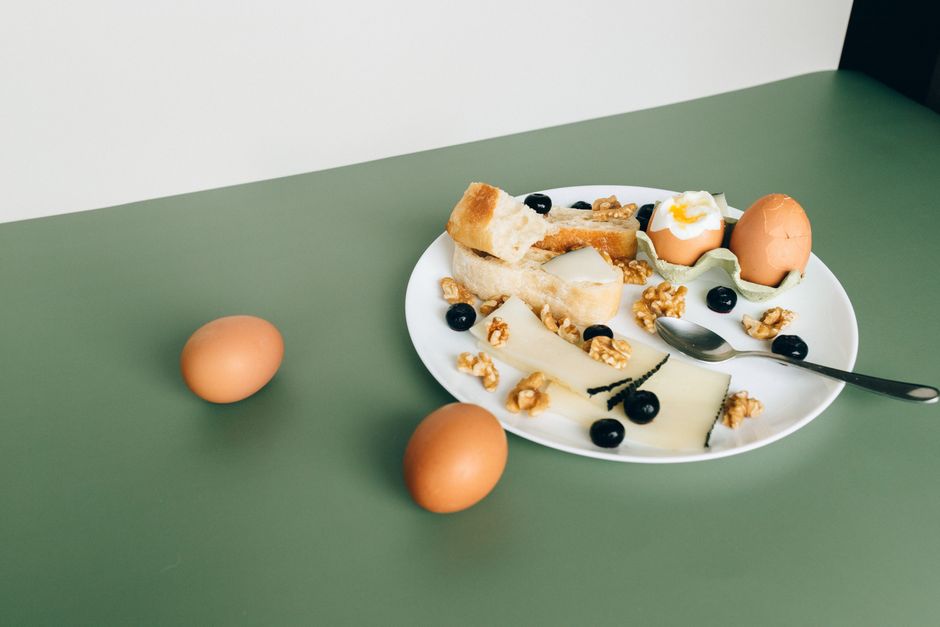
Most people ruin eggs before they even crack the shell — the butter, the white toast, and the heavy cheese turn a solid breakfast into a calorie bomb. Cooking method matters more than you think, and small swaps keep eggs filling without the extra calories.
The best way to make healthy eggs for weight loss is to cook them with minimal added fat, pair them with vegetables, and watch your portion sizes. Frying in butter or oil adds 100 or more calories before you add anything else. Boiling, poaching, or cooking with a nonstick spray keeps the egg itself around 70 calories while preserving the protein that keeps you full.
Eggs are one of the most studied breakfast foods for weight management. Research consistently shows that a protein-heavy breakfast reduces hunger later in the day compared to carb-heavy meals. This article covers the cooking methods that actually work, the toppings to avoid, and the portions that make sense for weight loss.
Key Points at a Glance
| Point | What It Means | Why It Matters |
|---|---|---|
| Cooking method | Boiling, poaching, or using nonstick spray instead of butter or oil | Saves 100+ calories per serving without sacrificing taste |
| Vegetable volume | Add spinach, peppers, or mushrooms to bulk up the meal | Adds fiber and volume for very few calories |
| Protein pairing | Eggs alone are good; eggs with another protein source are better | Higher total protein means longer fullness between meals |
| Portion control | 2–3 eggs per meal is reasonable for most women | Prevents the calorie creep that comes from oversized portions |
| Topping awareness | Cheese and bacon add calories quickly | One slice of cheese can double the calorie count of your eggs |
Which Cooking Method Is Best for Weight Loss?
Boiled and poached eggs are the clear winners for calorie control because they need zero added fat. A large boiled egg has roughly 70 calories and 6 grams of protein. Poached eggs are nearly identical, and both methods let the natural flavor come through without any oil.
If you prefer scrambled or fried eggs, the pan makes the difference. A good nonstick pan with cooking spray adds about 5 calories compared to the 100-plus calories in a tablespoon of butter. I always keep a silicone spatula handy for scrambled eggs — it lets me use almost no fat and still get soft curds without sticking.
Microwave scrambled eggs are another option that surprises people. Two eggs whisked with a splash of water and cooked for about 90 seconds give you the same protein with zero added fat. It isn’t fancy, but it works on busy mornings.
Add a pinch of salt and pepper after cooking rather than before. You’ll use less salt overall because it lands on the surface where you taste it immediately.
How to Make Healthy Eggs for Weight Loss That Actually Keep You Full
The protein in eggs helps with fullness, but volume matters too. Two scrambled eggs with a cup of spinach and half a cup of mushrooms give you a much bigger plate for roughly the same calories as two eggs alone. The vegetables add fiber and water, which stretch your stomach and trigger fullness signals.
Pair your eggs with a slice of whole grain toast or a small portion of fruit if you need more energy. The combination of protein and complex carbohydrates digests slower than either alone. Skip the white toast and sugary pastries — they spike blood sugar and leave you hungry within two hours.
One habit that works well: prepare your vegetables the night before. Chopped peppers and onions in a container mean you can toss them in the pan with your eggs in under five minutes. I do this every Sunday for the week ahead, and it removes the biggest barrier to a healthy breakfast.
How Many Eggs Can You Eat Per Day for Weight Loss?
For most healthy women, two to three eggs per day is a reasonable target. The old concern about egg cholesterol has softened considerably — research shows that for most people, dietary cholesterol has a smaller effect on blood cholesterol than saturated fat does. If you have diabetes or heart disease, talk to your doctor about what’s right for you.
What matters more than the number of eggs is the total meal composition. Three eggs fried in butter with cheese and bacon is a different meal than three eggs scrambled with spinach and served with fruit. The first is around 600 calories; the second is closer to 300.
If you’re using eggs as your main protein source at breakfast, aim for at least 20 grams of protein total. That means about three eggs, or two eggs plus a side of Greek yogurt or cottage cheese. This protein level consistently shows better hunger control in studies.
What Toppings and Sides Should You Avoid?
Cheese is the biggest hidden calorie trap with eggs. A single slice of cheddar adds about 110 calories, and most people add more than one. If cheese is non-negotiable, use a tablespoon of grated parmesan — you get the flavor for about 20 calories.
Bacon and sausage are the other common culprits. Two strips of bacon add roughly 90 calories and a gram of saturated fat. A breakfast sausage link adds about 100 calories. These aren’t terrible occasionally, but they turn a light meal into a heavy one fast.
Watch the side dishes too. Hash browns and buttered toast can double the calorie count of your entire breakfast. A better swap is roasted potatoes with a light spray of oil, or simply more vegetables on the plate.
Hot sauce and fresh herbs are nearly free calorie-wise. A dash of cayenne or a sprinkle of chives adds flavor without any of the fat or sugar that comes with creamy condiments.
Frequently Asked Questions
Related Articles
Are eggs good for weight loss?
Yes. Eggs are high in protein and relatively low in calories, which helps control hunger. Research consistently shows that protein-rich breakfasts reduce calorie intake later in the day.
How many calories are in a boiled egg?
A large boiled egg has about 70 calories and 6 grams of protein. The calorie count stays the same whether you boil, poach, or scramble with cooking spray.
Is it better to eat egg whites or whole eggs for weight loss?
Whole eggs are better for most people because the yolk contains vitamins and healthy fats that help with fullness. Egg whites alone are lower in calories but leave you hungrier sooner.
Can I eat eggs every day while trying to lose weight?
Yes, most healthy women can eat eggs daily without problems. The bigger concern is what you cook them in and what you serve alongside them.
What is the healthiest way to cook eggs for weight loss?
Boiling and poaching add no extra fat, making them the lowest-calorie options. If you prefer scrambled or fried, use a nonstick pan with cooking spray instead of butter or oil.
How many eggs should I eat for breakfast to lose weight?
Two to three eggs is a reasonable breakfast portion for most women. This gives you 12 to 18 grams of protein, which helps control hunger until lunch.
Use our TDEE Calculator to find your daily calorie needs and plan your egg breakfasts around a target that supports weight loss.

The TDEECAL Team writes about nutrition, metabolism, and fat loss the way we built our calculator, with real numbers and no hype. We dig into the research so you don’t have to guess.