So you’ve seen the gelatin recipe for weight loss and the pink gelatin thing floating around. Maybe on Dr. Oz. Maybe from Jillian Michaels. Someone said it helps you lose weight, and you’re wondering if it’s worth trying.
Let me save you some time digging through forums. I spent a weekend looking at the actual research and talking to a few nutrition researchers. Here’s what I found.
The short version: gelatin isn’t magic. But it does have real protein, and protein keeps you full. That’s nothing.
- For better understanding, first check your TDEE (Total Daily Energy Expenditure) for weight loss.
What Exactly Is Pink Gelatin?
Pink gelatin is just unflavored gelatin mixed with water and some kind of fruit flavoring — usually raspberry or strawberry. The pink color comes from the flavoring, not anything special.
Unflavored gelatin comes from collagen in animal parts — bones, skin, connective tissue. Usually beef. Sometimes pork.
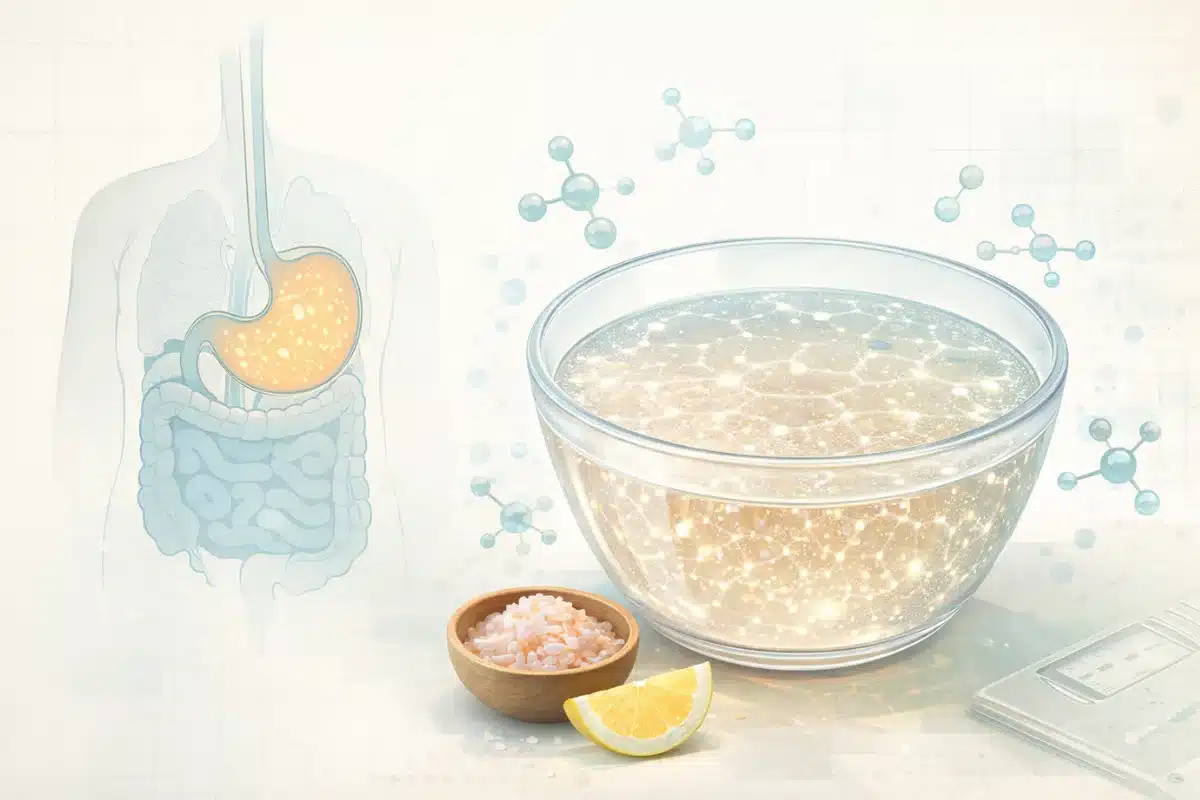
When you dissolve it in hot water and let it cool, it gels. Add a little juice or flavoring, and you get something that looks like a lighter Jell-O.
That’s it. Nothing fancy. Nothing proprietary.
The Jillian Michaels Gelatin Trick — What’s the Real Story?
Jillian Michaels promoted a recipe that mixes unflavored gelatin with hot water and a splash of fruit juice. The idea: drink it before a meal to curb appetite.
Does it work?
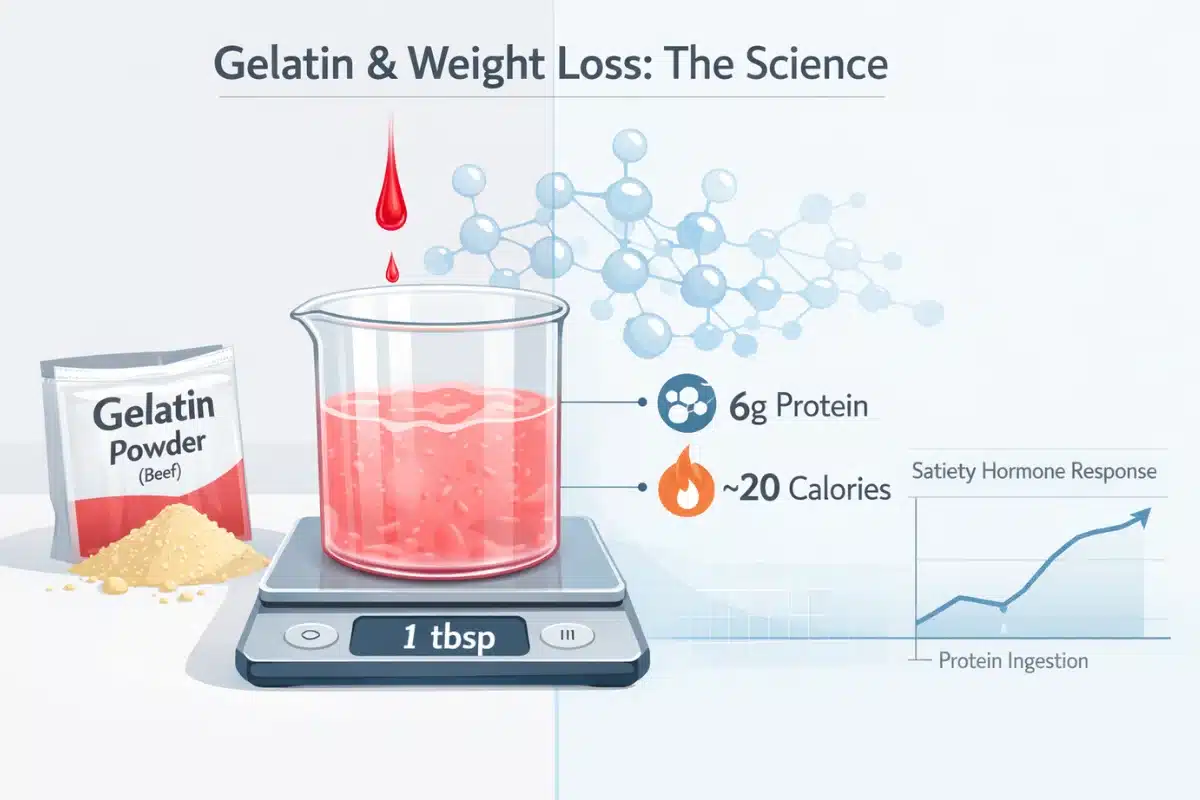
Here’s what we actually know. A study published in the Journal of Nutrition and Metabolism found that protein intake increases satiety hormones in the gut. Gelatin is a protein. So theoretically, yes — it could help you feel fuller before a meal.
But there’s a catch. You’d need to consume a meaningful amount of protein to feel the effect. One serving of gelatin gives you about 6 grams. That’s decent, but it’s not going to magically shrink your stomach.
Current research suggests the appetite effect is mild at best. Don’t expect miracles.
The Dr. Oz Pink Gelatin Recipe For Weight Loss
The recipe that went viral:
- 1 packet unflavored gelatin (about 1 tablespoon)
- 1 cup hot water
- Splash of raspberry or strawberry juice
- Optional: a tiny bit of sweetener
Mix the gelatin into hot water until dissolved. Add juice. Let it cool slightly or drink it warm.
It’s about 20 calories. Roughly 6 grams of protein.
That’s honestly not a bad small snack or pre-meal drink. But calling it a “weight loss trick” is a stretch.
Gelatin Ingredients — What’s Actually In It?
Unflavored gelatin has one ingredient: gelatin. Usually from beef.
The amino acid profile is interesting. Gelatin is high in glycine and proline. Some early research — including work from the Journal of Nutritional Biochemistry — suggests these may support joint health and sleep quality.
But weight loss? That’s about the protein, not these compounds.
Some gelatin products add sugar, artificial colors, or flavorings. Read the label. You want 100% gelatin with no added junk.
Beef Gelatin vs. Regular Gelatin — Any Difference?
“Beef gelatin” is just gelatin from beef sources. Most unflavored gelatin sold in stores comes from beef anyway.
What about pork gelatin? Same thing, different animal. Both work the same way for recipes.
Grass-fed beef gelatin costs more. The research doesn’t show it’s meaningfully different for weight loss purposes. Save your money unless you have specific dietary preferences.
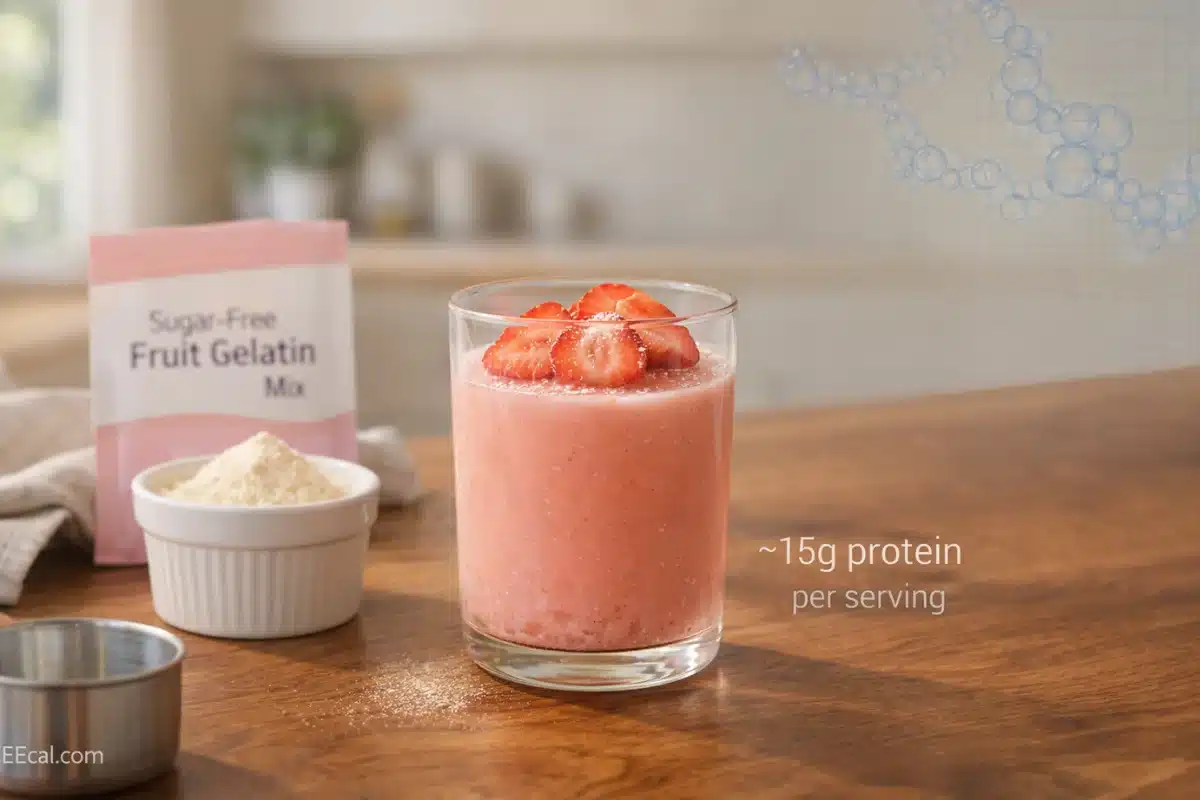
Vegan gelatin alternatives exist — usually made from agar-agar or carrageenan. These don’t have the same protein content, so they won’t give you the same satiety effect.
Gelatin Benefits — What the Research Actually Shows
Here’s what we can say with some confidence:
Protein content. About 6 grams per tablespoon. That’s real protein.
Satiety. Protein triggers gut hormones that tell your brain you’re full. A study in the American Journal of Clinical Nutrition showed high-protein meals reduce subsequent calorie intake. Gelatin qualifies as protein, even if it’s not a complete protein.
- Joint health. Some older studies — like research from Medicine and Science in Sports and Exercise — found collagen peptides may help joint pain. Gelatin is related to collagen.
- Sleep quality. Glycine in gelatin may improve sleep. A small study in Sleep and Biological Rhythms suggested that 3 grams before bed helped participants feel more rested.
- Digestion. Gelatin may support gut lining health, according to some animal studies. Human data is thin.
For weight loss specifically? The evidence is weak. The benefit is indirect — protein keeps you full, so you eat less.
How to Make a Basic Gelatin Weight Loss Drink
This takes five minutes the night before or in the morning.
What you need:
- 1 tablespoon unflavored gelatin (powdered)
- 1 cup hot water
- 2 tablespoons no-sugar-added fruit juice
- Optional: a pinch of vitamin C powder
What you do:
- Pour gelatin into a mug
- Add hot water and stir until completely dissolved — about 2 minutes
- Stir in juice
- Let it cool to room temperature
- Drink about 20 minutes before a meal
That’s it. If you’re eating lunch at your desk, this matters — a small protein hit before your meal may help you feel satisfied with smaller portions.
What the Research Says About Gelatin and Weight Loss
Let me be straight with you. There are no large-scale clinical trials showing gelatin causes weight loss.
What we have are studies on protein and satiety, and smaller studies on collagen peptides.
One randomized trial from 2015 followed 24 adults taking collagen peptides versus placebo. The collagen group reported better satiety scores. But the study was tiny, and it wasn’t about weight loss specifically.
A 2020 review in Nutrients looked at protein’s role in weight management. The conclusion: higher protein diets help preserve muscle during calorie restriction and increase fullness. Gelatin is a protein, so it contributes — but whole food proteins do more.
The honest answer: gelatin won’t hurt you. It might mildly help with hunger. But it’s not going to replace a real meal or trigger fat loss on its own.
One thing the research hasn’t figured out yet: whether the specific amino acids in gelatin (glycine, proline) do anything unique for body composition, or whether it’s just the protein hitting your stomach and triggering fullness signals.
Bariatric Gelatin Recipes — Different Rules Apply
If you’ve had bariatric surgery, protein intake is critical. Gelatin can help, but you need to be careful.
Post-surgery patients need 60-80 grams of protein daily. One tablespoon of gelatin gives you 6 grams. That’s helpful, but not enough on its own.
Bariatric-friendly gelatin recipes usually add:
- Sugar-free flavoring
- Additional protein powder
- Milk instead of water for extra protein
If you’re post-surgery, talk to your bariatric team before trying any new diet approach. Your protein needs are specific, and gelatin alone won’t meet them.
Gelatin Diet — Can You Do It Long-Term?
The pink gelatin diet typically means replacing one meal or snack with a gelatin drink per day. That’s roughly 100-150 calories replaced with something that might keep you full.
If you’re currently eating 300-calorie snacks that don’t fill you up, swapping one for gelatin could create a small calorie deficit. Over weeks, that adds up.
But here’s what I’d worry about: gelatin doesn’t have fiber, vitamins, or minerals. You’re not getting nutrition — just protein and water.
One researcher I read put it bluntly: “Replacing food with gelatin is replacing nutrition with filler.” That’s harsh, but not wrong.
Long-term? This works as a supplement to a real diet, not a replacement for one.
The Bottom Line on Gelatin for Weight Loss
Let’s be honest about what this is.
Gelatin is a low-calorie way to add protein to your day. It might help you feel a little fuller before meals. That’s a modest benefit, not a revolution.
The pink gelatin recipes won’t melt fat. They won’t shrink your stomach. The “trick” is just eating protein before meals, which is basic nutrition advice that’s been around forever.
Is it worth trying? Sure. It’s cheap, easy, and harmless for most people.
Is it going to transform your body? No.
As of 2026, the evidence hasn’t changed much. Protein helps with fullness. Gelatin is protein. That’s the whole story.
FAQ
How does gelatin help with weight loss?
Gelatin is protein, about 6 grams per tablespoon. Protein triggers gut hormones that make you feel full. Drinking gelatin before meals may help you eat less. The research on this is modest, not dramatic.
Can I replace a meal with gelatin?
Not safely. Gelatin has no fiber, vitamins, or minerals. You need real food for nutrition. Think of gelatin as a snack or pre-meal drink, not a meal replacement.
Is pink gelatin better than unflavored?
The pink color is just food coloring or juice. The benefit comes from the gelatin itself. Unflavored gelatin is the better choice — you control what goes into it.
What’s the Jillian Michaels gelatin recipe?
Mix 1 tablespoon unflavored gelatin with 1 cup hot water until dissolved. Add a splash of fruit juice for flavor. Drink about 20 minutes before a meal. It’s about 20 calories and 6 grams of protein.
Can I use gelatin every day?
For most people, yes. But if you have kidney disease, gout, or are on a low-protein diet, check with your doctor first. Daily protein from supplements adds up.
Meta Title:
Meta Description:

The TDEECAL Team writes about nutrition, metabolism, and fat loss the way we built our calculator, with real numbers and no hype. We dig into the research so you don’t have to guess.