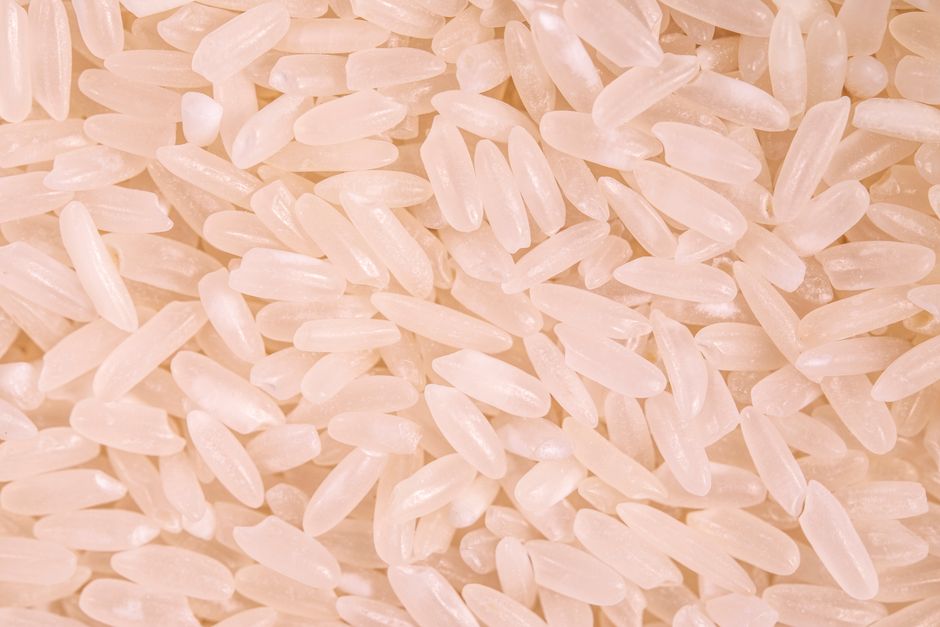
Are White Rice Good for Weight Loss?
White rice often gets blamed for weight gain. But the real story is more complicated than that. The short answer is that white rice can fit into a weight loss plan, but it depends entirely on portion size and what you eat with it.
White rice is not inherently fattening. It becomes a problem when portions are large and it replaces more filling foods. A half-cup serving of cooked white rice has roughly 100 to 110 calories. That is a reasonable amount for most people. The key is treating it as a side dish, not the main event.
Most women trying to lose weight have heard conflicting advice about carbs. Some say to cut rice completely. Others say it makes no difference. The truth sits in the middle. This article explains how white rice affects blood sugar, how to portion it properly, and how to pair it so you stay full longer. You will also learn when brown rice is genuinely better and when it hardly matters.
Key Points at a Glance
| Point | What It Means | Why It Matters |
|---|---|---|
| Calorie content | Half a cup of cooked white rice has about 100 to 110 calories | Portion control matters more than avoiding rice entirely |
| Glycemic index | White rice raises blood sugar faster than brown rice | This affects hunger and energy levels after meals |
| Fiber difference | Brown rice has more fiber than white rice | Fiber helps you feel full and slows digestion |
| Pairing strategy | Eat rice with protein and vegetables | This balances the meal and prevents blood sugar spikes |
| Cultural fit | White rice is a staple in many cuisines | You can lose weight without giving up foods you love |
Do White Rice and Weight Loss Actually Mix?
Research consistently shows that no single food causes weight gain. Weight loss comes down to total calories consumed versus calories burned. White rice can fit into that equation without sabotaging your progress.
Some studies suggest that people who eat white rice regularly tend to have a higher risk of type 2 diabetes. But these studies often look at populations eating very large portions. A small serving alongside protein and vegetables is a different situation entirely.
The bigger issue is what white rice replaces. If you swap out vegetables or protein to make room for extra rice, you lose nutrients and fullness. If you keep those foods and add a modest portion of rice, you can still lose weight.
I always measure rice with a measuring cup at home. Eyeballing portions is how half a cup becomes two cups without you noticing. That small habit makes a real difference.
How Does White Rice Affect Blood Sugar?
White rice has a high glycemic index. That means it breaks down quickly and raises blood sugar faster than many other carbs. This is why some experts recommend choosing brown rice instead.
But the glycemic index only tells part of the story. What you eat with rice changes how your body responds. Adding protein, healthy fats, or vegetables slows digestion and blunts the blood sugar spike. A bowl of rice with chicken and broccoli affects your body very differently than plain rice eaten alone.
Research published in the American Journal of Clinical Nutrition found that replacing white rice with brown rice was linked to a lower risk of type 2 diabetes. But the same research noted that overall dietary patterns matter more than any single food choice.
What Is the Right Portion Size for Weight Loss?
A standard serving of cooked white rice is half a cup. That is about the size of a hockey puck or a cupped handful. For most women trying to lose weight, this is a reasonable starting point.
If you are very active, you might handle a full cup. If you are mostly sedentary, half a cup is safer. The right amount depends on your total daily calorie needs. You can calculate your personal target using our TDEE Calculator to see how rice fits into your daily allowance.
The problem with restaurant servings is that they often contain two to three cups of rice. That alone can be 400 to 600 calories before you even touch the main dish. At home, you control the portion. When eating out, ask for half the rice or take half home.
Is Brown Rice Always the Better Choice?
Brown rice has more fiber, more magnesium, and a lower glycemic index than white rice. For these reasons, it is often recommended for weight loss. But that does not make white rice a bad choice.
The fiber difference is real but modest. A cup of cooked brown rice has about 3.5 grams of fiber. White rice has less than 1 gram. Both are relatively low compared to vegetables or beans.
Some research suggests that people who eat brown rice feel fuller after meals compared to white rice. But the evidence is mixed, and results vary from person to person. If white rice helps you stick to a healthy eating pattern, that consistency matters more than the fiber gap.
There is also the arsenic question. Brown rice contains higher levels of arsenic than white rice because arsenic accumulates in the outer layers of the grain. This is not a reason to avoid brown rice, but it is worth rotating your grains rather than eating brown rice every single day.
Can You Eat White Rice Every Day and Still Lose Weight?
Yes, you can. Many cultures around the world eat white rice daily and maintain healthy weights. The difference comes down to total calorie intake and activity level.
If you eat white rice daily, keep your portion consistent and build the rest of your meal around protein and vegetables. A typical balanced plate is half vegetables, a quarter protein, and a quarter rice. This structure works without counting every gram.
One thing to watch is how rice is prepared. Fried rice with oil, eggs, and soy sauce has more calories than steamed rice. The cooking method changes the calorie count significantly.
What About Rice Alternatives Like Cauliflower Rice?
Cauliflower rice has become popular for weight loss. It is much lower in calories and carbs than white rice. A cup of cauliflower rice has about 25 calories compared to 200 for white rice.
But cauliflower rice is not a perfect substitute. It has a different texture and does not absorb sauces the same way. Some people find it unsatisfying and end up eating more later.
The evidence does not show that cauliflower rice is necessary for weight loss. It is simply a lower-calorie option. If you enjoy it, use it. If you prefer real rice, portion control works just as well.
A practical approach is to mix cauliflower rice with white rice. Half and half gives you volume and texture while cutting calories. This works especially well in burrito bowls and curries.
Frequently Asked Questions
Related Articles
Are white rice good for weight loss compared to bread?
White rice and bread are similar in calories per serving. The better choice depends on portion size and what you pair with each.
How many calories are in a serving of white rice?
Half a cup of cooked white rice has roughly 100 to 110 calories. A full cup has about 200 to 220 calories depending on preparation.
Should I stop eating white rice to lose belly fat?
No single food causes belly fat. Reducing total calories and increasing protein and fiber will have a bigger impact than cutting rice alone.
Is white rice bad for blood sugar?
White rice has a high glycemic index, meaning it raises blood sugar quickly. Pairing it with protein and vegetables slows this effect.
Can I eat white rice at night and still lose weight?
Eating white rice at night does not cause weight gain by itself. Total daily calories matter more than the time of day you eat.
How much white rice can I eat on a 1500 calorie diet?
One to two half-cup servings per day fits comfortably into a 1500 calorie plan. This leaves room for protein, vegetables, and healthy fats.

The TDEECAL Team writes about nutrition, metabolism, and fat loss the way we built our calculator, with real numbers and no hype. We dig into the research so you don’t have to guess.