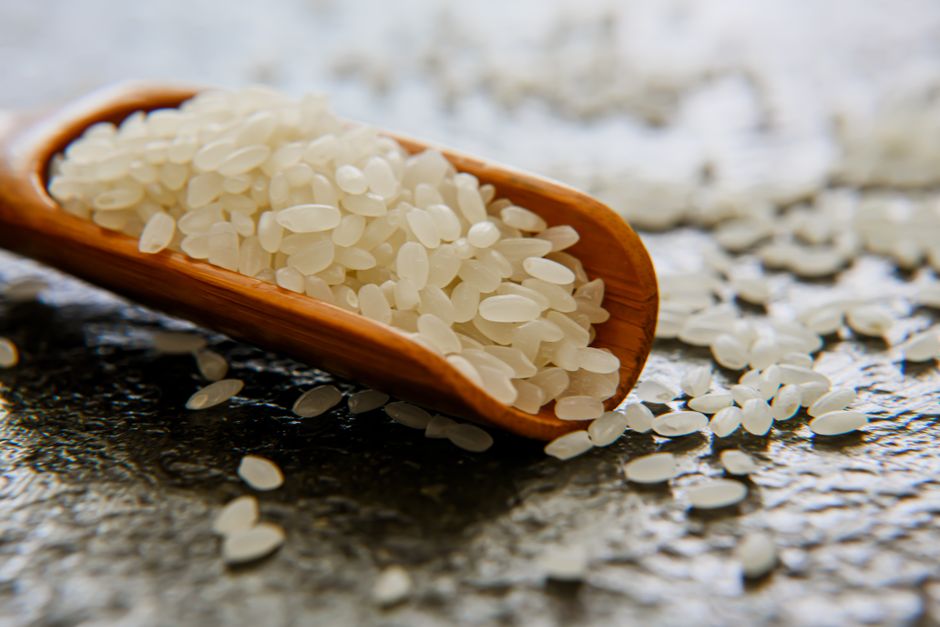
White rice often gets blamed for weight gain, yet billions of people eat it daily without issue. The real problem is rarely the rice itself — it’s the portion size and what you pair with it.
How much white rice should you eat for weight loss? A sensible serving is about 1/2 cup of cooked white rice, which contains roughly 100 to 110 calories. This portion works well for most women aiming to lose weight, though your exact amount depends on your total daily calorie needs and activity level.
Most weight loss advice treats white rice as a villain. But the evidence tells a more nuanced story. White rice is low in fat, easy to digest, and can absolutely fit into a calorie-controlled diet. The problem is that typical restaurant portions run two to three times larger than what most people need.
This article covers realistic portion sizes, how rice fits into your daily calorie budget, and practical ways to make white rice work for weight loss without giving it up completely.
Key Points at a Glance
| Point | What It Means | Why It Matters |
|---|---|---|
| Portion size | 1/2 cup cooked white rice equals about 100–110 calories | Keeps rice in your calorie budget without eliminating it |
| Calorie density | White rice is not calorie-dense compared to many other carbs | You can eat a satisfying portion for relatively few calories |
| Protein pairing | Pair rice with lean protein and vegetables | Slows digestion and improves fullness after meals |
| Glycemic index | White rice ranks higher on the glycemic index than brown rice | May affect blood sugar, but portion control matters more |
| Individual needs | Your ideal portion depends on your calorie target and activity | No single serving works for everyone |
How Much White Rice Should You Eat Per Meal?
The most practical answer is 1/2 cup of cooked white rice per meal. That serving provides roughly 100 to 110 calories, which leaves room for protein and vegetables without blowing your daily budget. For reference, a full cup of cooked white rice runs about 200 to 220 calories.
Some women need more, especially if they are highly active or taller with higher calorie needs. If you are following a 1,500-calorie weight loss plan, one 1/2-cup serving of rice takes up only about 7 percent of your daily calories. That is a reasonable trade for a food you enjoy.
What Does the Research Say About White Rice and Weight Loss?
Some studies suggest that higher white rice intake is linked to a greater risk of weight gain, particularly in sedentary populations. But other research finds no strong connection when total calories are controlled. The evidence points to overall calorie intake as the main driver of weight change, not any single food.
Brown rice does have more fiber, which can help with fullness. However, swapping white rice for brown rice alone rarely produces meaningful weight loss if portion sizes stay the same. The bigger factor is whether your total daily calories match your weight loss goal.
Research published in the American Journal of Clinical Nutrition has examined rice consumption patterns across different populations. The findings consistently show that portion control and overall diet quality matter more than the type of rice you choose.
How to Fit White Rice Into Your Calorie Budget
Start by calculating your maintenance calories, then subtract 300 to 500 calories for weight loss. Most women lose weight at 1,400 to 1,600 calories per day, though this varies by age, height, and activity level. A 1/2-cup serving of rice fits comfortably into that range.
Use your hands as a quick portion guide. A cupped palm holds roughly 1/2 cup of cooked rice. That visual cue is easier to remember than measuring cups when you are eating at a restaurant or a friend’s house.
If you want to eat more rice, reduce calories elsewhere. Skip the sugary drink, use less cooking oil, or cut your dessert portion. Rice is not the enemy — it is simply one line item in your daily calorie ledger.
Does How Much White Rice Should You Eat Change With Activity Level?
Yes. If you exercise regularly, you can likely eat a larger portion of white rice without hindering weight loss. Active women often need more carbohydrates for energy and recovery, so 3/4 to 1 cup of cooked rice may be appropriate on training days.
On rest days, stick closer to the 1/2-cup portion. Your body burns fewer calories when you are sedentary, so your carbohydrate needs drop accordingly. This simple adjustment helps you eat rice daily while still creating the calorie deficit needed for weight loss.
Pay attention to how you feel after meals. If you are satisfied for three to four hours after eating, your portion is working. If you are hungry within an hour, you may need more protein or vegetables alongside your rice rather than more rice itself.
Practical Tips for Eating White Rice While Losing Weight
- Cook rice in broth instead of water for more flavor without extra calories.
- Add vegetables to your rice dish so the overall meal is more filling per calorie.
- Let rice cool before eating — cooled rice forms resistant starch, which digests more slowly.
- Use smaller plates so 1/2 cup of rice looks like a generous serving rather than a tiny one.
- Order from Asian restaurants with a to-go box ready and pack half your rice immediately.
One common mistake is loading rice with high-calorie sauces. A plain serving of rice is modest in calories, but fried rice or rice topped with creamy sauces can triple the calorie count. Keep additions simple — soy sauce, ginger, garlic, and a splash of lime add flavor for almost no calories.
Your total daily calorie intake ultimately determines whether you lose weight. White rice can be part of that plan as long as your portions keep you within your target range. Use a TDEE calculator to find your maintenance calories, then build your meals around that number.
Related Articles
Frequently Asked Questions
Is white rice bad for weight loss?
No, white rice is not inherently bad for weight loss. The issue is portion size, since large servings add calories quickly without much fullness.
How many calories are in a serving of white rice?
A 1/2 cup of cooked white rice contains roughly 100 to 110 calories. A full cup contains about 200 to 220 calories depending on the variety.
Should I eat brown rice instead of white rice for weight loss?
Brown rice has more fiber and may keep you fuller longer, but portion control matters more. Swapping rice types alone rarely produces meaningful weight loss.
Can I eat white rice every day and still lose weight?
Yes, you can eat white rice daily and lose weight if your total calories stay in a deficit. A 1/2-cup portion fits easily into most weight loss meal plans.
Is it better to eat white rice before or after a workout?
Eating white rice after a workout helps replenish glycogen stores. Before exercise, pair it with protein for steadier energy during your session.
How quickly should I eat white rice to avoid overeating?
Eat slowly and stop when you feel satisfied rather than full. It takes about 20 minutes for your brain to register fullness, so pacing yourself helps.

The TDEECAL Team writes about nutrition, metabolism, and fat loss the way we built our calculator, with real numbers and no hype. We dig into the research so you don’t have to guess.