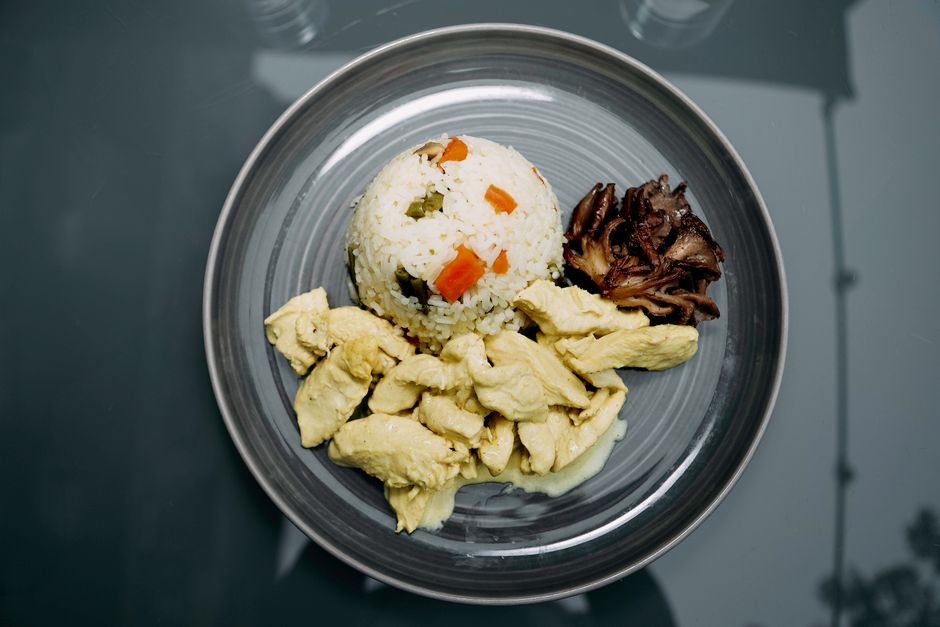
Chicken and white rice is one of the most common meals on weight loss plans, yet many women wonder if it actually works. The short answer is yes—this simple combination can support weight loss when portion sizes are controlled and the rest of your day stays balanced.
Is chicken and white rice good for weight loss? Yes, when eaten in proper portions. A serving of about 3 to 4 ounces of chicken breast with roughly one cup of cooked white rice provides lean protein and quick energy for around 350 to 450 calories. The protein keeps you full, while the rice makes the meal satisfying enough to prevent cravings later. The key is portion control and pairing it with vegetables or a small amount of healthy fat.
Many women hit a plateau and blame the rice. But the evidence points to total daily calories mattering more than any single food. White rice gets criticized, yet research shows it can fit into a weight loss diet just fine when portions stay reasonable.
This article covers the real numbers behind this meal, how to portion it correctly, and what the science actually says. You will also learn why some women lose weight eating it daily while others stall.
Key Points at a Glance
| Point | What It Means | Why It Matters |
|---|---|---|
| Protein content | Chicken breast provides about 26 grams of protein per 3-ounce serving | Protein preserves muscle and keeps you full between meals |
| Calorie count | A standard serving of chicken and rice runs 350 to 450 calories | This fits easily into a typical 1,500 to 1,800 calorie weight loss plan |
| Rice type | White rice works, but brown rice adds more fiber | Fiber slows digestion and may keep you satisfied longer |
| Portion size | One cup of cooked rice is a reasonable serving | Oversized portions turn a healthy meal into a calorie surplus |
Is Chicken and White Rice Good for Weight Loss According to Science?
Research consistently shows that high-protein meals support weight loss better than meals low in protein. Chicken breast is one of the leanest protein sources available, with minimal fat and no carbohydrates. White rice provides easily digestible carbs that fuel your body without weighing you down.
Some studies suggest that combining lean protein with white rice creates a meal that satisfies hunger effectively. The protein triggers fullness hormones, while the rice provides quick energy that prevents the fatigue often felt on low-carb diets. This combination works particularly well for women who exercise and need steady fuel.
How Many Calories Are in Chicken and White Rice?
A standard serving of 3 to 4 ounces of grilled chicken breast contains roughly 140 to 185 calories. One cup of cooked white rice adds about 200 calories. Together, that is approximately 340 to 385 calories before any oil, sauce, or seasoning.
These numbers change quickly when you add butter, creamy sauces, or fried preparation methods. A tablespoon of butter adds 100 calories, and a creamy sauce can add 150 or more. Keep the preparation simple to stay within your calorie target.
What Portion of Chicken and White Rice Should You Eat to Lose Weight?
Most weight loss plans for women target 1,500 to 1,800 calories per day. A serving of chicken and white rice that fits this range is about 4 ounces of chicken with one cup of cooked rice. Add a generous portion of non-starchy vegetables to increase volume without adding many calories.
If you are highly active, you may need slightly more rice. If you are sedentary or closer to your goal weight, reduce the rice to half a cup and double the vegetables. Adjust based on your hunger and energy levels rather than following a rigid rule.
Is White Rice or Brown Rice Better for Weight Loss?
Brown rice contains more fiber and slightly more nutrients than white rice. The extra fiber slows digestion and can help you feel full longer. However, the calorie difference between the two is minimal—about 20 to 30 calories per cooked cup.
The best choice is the one you will actually eat consistently. If you dislike brown rice and stop eating the meal altogether, white rice is the better option for you. The evidence does not strongly favor one over the other for weight loss when portions are controlled.
Frequently Asked Questions
Related Articles
Is chicken and white rice good for weight loss every day?
Yes, eating this meal daily can work if your portions fit your calorie needs. Variety matters for long-term nutrition, so rotate in other proteins and grains throughout the week.
Will chicken and white rice make you gain weight?
No food alone causes weight gain—only eating more calories than you burn does. Large portions or heavy sauces can push this meal into surplus territory.
How much chicken and rice should I eat for dinner to lose weight?
Start with 4 ounces of chicken and one cup of cooked rice, then add vegetables. Adjust the rice down if you are not losing weight after two weeks.
Is it better to eat chicken and rice before or after a workout?
Eating this meal two to three hours before exercise gives you steady energy. After a workout, it also works well because the protein supports muscle recovery.
Can I eat chicken and white rice if I have diabetes?
Yes, but pair it with fiber-rich vegetables and monitor your blood sugar response. Some people find that smaller rice portions work better for glucose control.
Chicken and white rice is a practical, affordable weight loss meal that stands up to the evidence. The combination of lean protein and simple carbohydrates supports fullness and energy without breaking your calorie budget. Portion control and simple preparation make the difference between progress and plateau.
Track your meals for a week to see where your portions actually land. Use a TDEE calculator to find your maintenance calories, then aim for 300 to 500 calories below that number. This meal can be part of your plan, but the total daily intake is what truly drives results.

The TDEECAL Team writes about nutrition, metabolism, and fat loss the way we built our calculator, with real numbers and no hype. We dig into the research so you don’t have to guess.