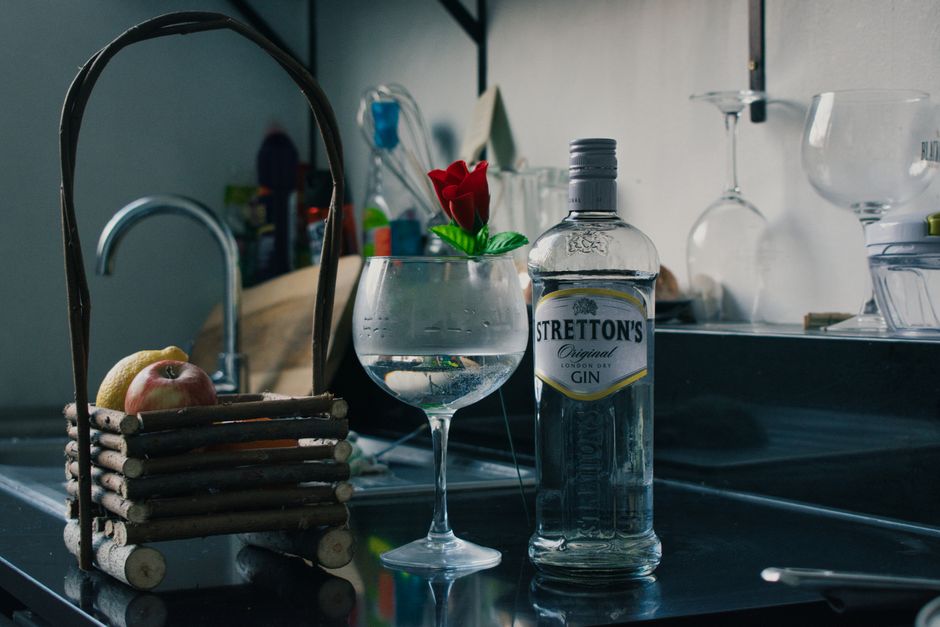
Is Gin Fattening for Weight Loss
You can pour a gin and tonic without undoing your entire day’s progress.
The short answer to “is gin fattening for weight” is no, not by itself. A standard 1.5-ounce shot of gin contains about 97 calories and zero carbohydrates. However, the mixers you add and the amount you pour determine whether that drink helps or hurts your weight loss efforts.
Most women I talk to assume all alcohol is equally damaging to their diet. That’s simply not true. Gin sits at the lower end of the calorie spectrum compared to beer, wine, and sugary cocktails. But alcohol affects more than just calories. It changes how your body burns fat and how hungry you feel afterward.
This article breaks down the real numbers, the metabolic effects, and the practical rules for drinking gin while losing weight. You’ll get straight answers without the lecture.
Quick reality check: A gin and tonic at a bar often contains 2 to 3 ounces of gin, not the standard 1.5 ounces. That single drink can quietly deliver 200 to 300 calories before you add the tonic.
Key Points at a Glance
| Point | What It Means | Why It Matters |
|---|---|---|
| Calorie content | 97 calories per 1.5-ounce shot | Lower than beer and most cocktails |
| Carbohydrates | Zero carbs in plain gin | Won’t spike blood sugar directly |
| Mixer choice | Tonic water adds 30-40 calories per 8 ounces | Diet tonic or soda water keeps it near zero |
| Metabolic effect | Alcohol pauses fat burning temporarily | Your body prioritizes clearing alcohol first |
| Appetite response | Alcohol can increase hunger signals | Late-night snacking often follows drinking |
How Many Calories Are Actually in Gin?
Gin is a distilled spirit, which means it contains alcohol and water with no residual sugar. According to USDA data, one standard shot of gin (1.5 fluid ounces at 80 proof) delivers roughly 97 calories. That’s comparable to vodka, rum, and whiskey.
Compare that to a 12-ounce beer at about 150 calories or a 5-ounce glass of wine at about 120 calories. Gin gives you more alcohol per calorie than either of those options. That makes it a smarter choice when you want to drink without blowing your calorie budget.
One thing to watch: flavored gins. Some brands add sugar or artificial sweeteners after distillation. Check the label. Plain gin should list zero carbohydrates and zero sugar.
My personal rule: I always measure my pour at home. Free-pouring a “shot” usually means 2 to 2.5 ounces, which silently adds 40 to 60 extra calories per drink. A cheap jigger costs five dollars and removes all guesswork.
Is Gin Fattening for Weight Compared to Other Drinks?
When asking “is gin fattening for weight,” the honest answer depends on what you compare it to. Against a margarita, a piña colada, or a craft beer, gin comes out far ahead. Those drinks pack 200 to 500 calories each, mostly from sugar.
Against a vodka soda, gin is nutritionally identical. Both are zero-carb spirits with nearly the same calorie count. The difference comes down to personal taste and what you mix them with.
The real trap is tonic water. A standard 8-ounce serving of tonic contains about 30 to 40 calories, mostly from added sugar. Two gin and tonics with regular tonic add 60 to 80 calories just from the mixer. Diet tonic or sparkling water with lime keeps that number at zero.
Some studies indicate that people who drink spirits tend to consume fewer total calories than people who drink beer or sugary cocktails. But the research also shows that alcohol overall can increase appetite, especially for salty and fatty foods. That’s where the real weight gain risk lives.
How Alcohol Affects Fat Burning and Hunger
Your body treats alcohol as a toxin that needs immediate processing. When you drink, your liver prioritizes breaking down alcohol over burning fat. Research consistently shows that fat oxidation drops significantly while alcohol is in your system.
That doesn’t mean one drink ruins your progress. It means your body temporarily pauses fat burning to handle the alcohol. Once the alcohol clears, normal fat metabolism resumes. The bigger issue is what happens after the drink.
Alcohol affects hormones that regulate appetite. It can increase ghrelin, the hunger hormone, and reduce leptin, the fullness hormone. Many women report feeling hungrier the day after drinking. That’s not imagination — it’s a measurable physiological response.
The evidence is mixed on whether moderate drinking directly causes weight gain. Some studies suggest light drinkers maintain lower weights than heavy drinkers, while nondrinkers fall in between. What’s clearer is that drinking often leads to extra food intake, and that’s where the surplus calories add up.
Practical note: If you know you’ll have a drink at dinner, decide your food order first. I’ve found that ordering my meal before the cocktail arrives keeps me from making impulsive, high-calorie choices after the first sip.
What Is the Best Way to Drink Gin While Losing Weight?
Stick to the standard serving size. One shot of gin is 1.5 ounces. That’s your baseline. If you want two drinks, that’s 194 calories from the gin alone. Three drinks pushes you past 290 calories, and that’s before any mixer.
Choose zero-calorie mixers. Soda water with lime, diet tonic, or a splash of fresh lemon juice all work well. Avoid regular tonic, fruit juices, and simple syrup. Those turn a lean drink into a sugar bomb.
Eat something before you drink. Having food in your stomach slows alcohol absorption and reduces the appetite spike. A protein-rich snack like Greek yogurt or a handful of almonds works well. This isn’t about “saving calories” for alcohol — it’s about preventing the late-night fridge raid.
Count the drink like any other food. If your daily calorie target is 1,600 calories, a 100-calorie gin and tonic fits easily. Two drinks plus the inevitable snack might not. Log it honestly and adjust your food intake accordingly.
No established clinical guideline exists for how much alcohol is safe during weight loss. The general dietary advice is that moderate drinking means up to one drink per day for women. But if weight loss is your priority, treating alcohol as an occasional treat rather than a daily habit will serve you better.
Frequently Asked Questions
Related Articles
Is gin fattening for weight loss if I drink it every night?
Daily drinking adds up quickly. One 97-calorie gin per night becomes nearly 700 calories per week, which can slow your progress.
Does gin cause belly fat specifically?
No specific alcohol causes fat in one body area. Excess calories from any source, including alcohol, contribute to overall fat gain.
Can I drink gin on a low-carb diet?
Yes. Plain gin contains zero carbohydrates. Just avoid sugary mixers like regular tonic or juice, which add carbs quickly.
Is gin and diet tonic better than wine for weight loss?
A gin and diet tonic has about 97 calories, while a glass of wine has roughly 120. Gin is the lower-calorie choice per serving.
How many gin and tonics can I have and still lose weight?
One drink fits into most calorie budgets without issue. Two drinks are possible if you adjust your food intake, but three usually pushes past the limit.
Does alcohol stop weight loss completely?
No. Moderate alcohol consumption doesn’t stop fat loss entirely, but it temporarily reduces fat burning and can increase hunger. The total calorie picture matters most.
Gin is one of the leaner alcohol choices you can make. The calories are low, the carbs are zero, and the drink itself won’t derail your diet. What matters is portion control, mixer selection, and what you eat around the drink. Use a TDEE calculator to understand your daily calorie needs, then fit an occasional gin and tonic into that number without guilt.
The bottom line: gin isn’t your enemy. The extra pour, the sugary mixer, and the 2 a.m. snack are. Keep the drink simple, measure your shot, and stay mindful of what follows. That’s the real formula for drinking without undoing your progress.

The TDEECAL Team writes about nutrition, metabolism, and fat loss the way we built our calculator, with real numbers and no hype. We dig into the research so you don’t have to guess.