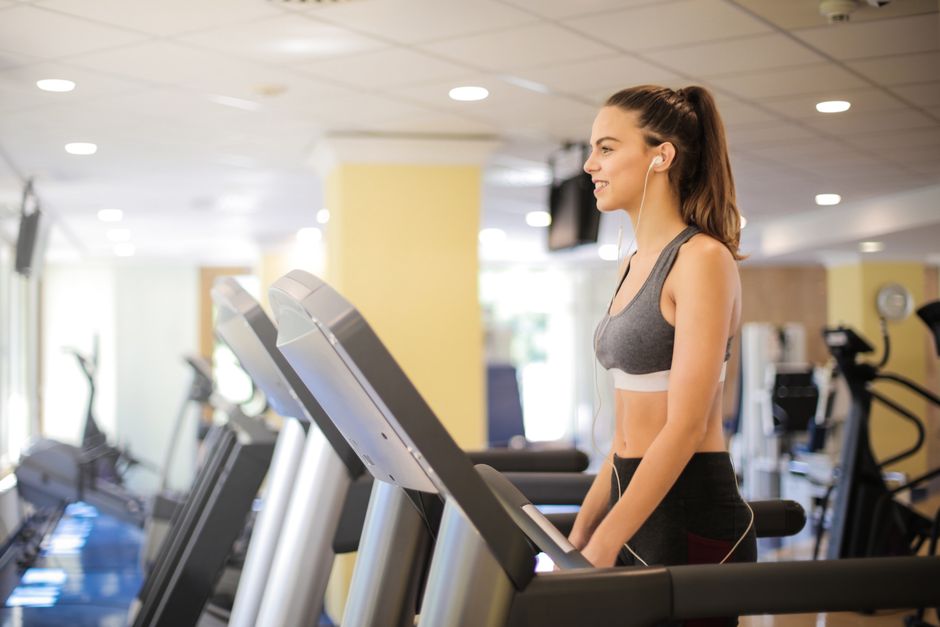
You’ve probably stood in the gym and stared at both machines, wondering which one will actually help you reach your goals.
For most people, the treadmill is what’s better for weight loss because it uses more muscle mass and burns more calories per minute at comparable effort levels. The Stairmaster is still excellent, but it targets the lower body more specifically and allows your upper body to rest. Your choice depends on your joints, your fitness level, and what you can sustain consistently.
This article breaks down the calorie burn, muscle engagement, joint impact, and practical differences between these two machines. Most generic advice just tells you to “pick what you enjoy,” which isn’t helpful when you’re trying to make a smart decision. We’ll give you the specifics so you can choose with confidence.
Key Points at a Glance
| Point | What It Means | Why It Matters |
|---|---|---|
| Calorie Burn | Treadmill burns slightly more calories per minute at equal effort | Higher calorie burn speeds up weight loss |
| Muscle Engagement | Treadmill uses full body; Stairmaster focuses on legs and glutes | Full-body work burns more total energy |
| Joint Impact | Stairmaster is lower impact on knees and ankles | Important if you have joint pain or injuries |
| Learning Curve | Treadmill is easier for beginners | Consistency matters more than intensity |
| Sustainability | The best machine is the one you’ll use regularly | Long-term adherence drives results |
How Many Calories Does Each Machine Actually Burn?
Research consistently shows that running on a treadmill burns more calories than stair climbing at the same duration. A 155-pound person burns roughly 300 calories in 30 minutes of running at 6 miles per hour, compared to about 260 calories in 30 minutes on the Stairmaster at a moderate pace.
The gap narrows when you walk at a brisk pace on the treadmill. Brisk walking at 3.5 miles per hour burns about 150 calories in 30 minutes, which is less than the Stairmaster. If you’re not ready to run, the Stairmaster gives you more calorie burn per minute than walking.
Which Machine Builds More Muscle for Weight Loss?
The Stairmaster is a lower-body strength workout. It heavily engages your glutes, quadriceps, hamstrings, and calves with every step. Treadmill running engages those same muscles plus your core, arms, and back for balance and momentum.
More muscle mass means a slightly higher resting metabolic rate, which helps with long-term weight management. The treadmill’s full-body engagement gives it an edge here, though the Stairmaster does build more lower-body strength specifically. If you do upper-body strength training separately, the Stairmaster’s focused lower-body work pairs well.
What’s Better for Weight Loss When You Have Joint Issues?
This is where the Stairmaster clearly wins for many people. The stepping motion keeps both feet on the machine, so there’s no impact shock when your foot hits the ground. Treadmill running involves repeated impact that can aggravate knees, hips, and ankles.
Walking on a treadmill is also low impact, so the comparison depends on your speed. If you can run comfortably, the treadmill offers more calorie burn. If your knees ache when you run, the Stairmaster lets you work hard without the pounding. Some studies suggest stair climbing is gentler on knees than running, though it still requires good knee flexion.
Does the Stairmaster or Treadmill Matter More Than Consistency?
The honest answer is that consistency outweighs the machine choice. Research consistently shows that the best exercise for weight loss is the one you’ll actually do several times per week. A Stairmaster workout you enjoy beats a treadmill workout you dread.
That said, variety helps. Alternating between both machines prevents boredom and gives your muscles different challenges. Many people find the Stairmaster harder mentally because it’s monotonous, while treadmill workouts pass faster with entertainment or interval changes.
How Should You Use These Machines for Weight Loss?
For the treadmill, interval training works well. Alternate one minute of running with two minutes of walking for 25 to 30 minutes. This approach burns more calories than steady-state walking and improves your cardiovascular fitness faster.
For the Stairmaster, steady-state climbing at a moderate pace for 20 to 30 minutes is effective. You can also vary your speed every few minutes to keep your heart rate elevated. Both machines have heart rate monitors, but using a chest strap or smartwatch is more accurate for tracking your effort.
Your total daily calorie intake matters more than either machine. Exercise burns a fraction of your daily calories, so weight loss ultimately comes down to eating slightly fewer calories than you burn. Use a TDEE calculator to find your maintenance calories and aim for a modest deficit of 300 to 500 calories per day.
Related Articles
Frequently Asked Questions
Is the Stairmaster or treadmill better for belly fat?
Neither machine targets belly fat specifically; spot reduction is a myth. Both burn calories that contribute to overall fat loss, which will eventually reduce belly fat.
How long should I use the Stairmaster or treadmill to lose weight?
Aim for 150 minutes of moderate cardio per week, which is about 30 minutes five days a week. You can split this between both machines based on how you feel each day.
Can I use the Stairmaster and treadmill on the same day?
Yes, combining them can work well, such as 15 minutes on each machine. Just keep total session time reasonable to avoid overtraining your legs.
Which machine is easier on the knees?
The Stairmaster is generally lower impact than running on a treadmill. Walking on a treadmill is also knee-friendly, but running adds significant impact force.
How many calories does 30 minutes on the Stairmaster burn?
A 155-pound person burns roughly 260 calories in 30 minutes at a moderate pace. Your exact number depends on your weight, age, and intensity level.

The TDEECAL Team writes about nutrition, metabolism, and fat loss the way we built our calculator, with real numbers and no hype. We dig into the research so you don’t have to guess.