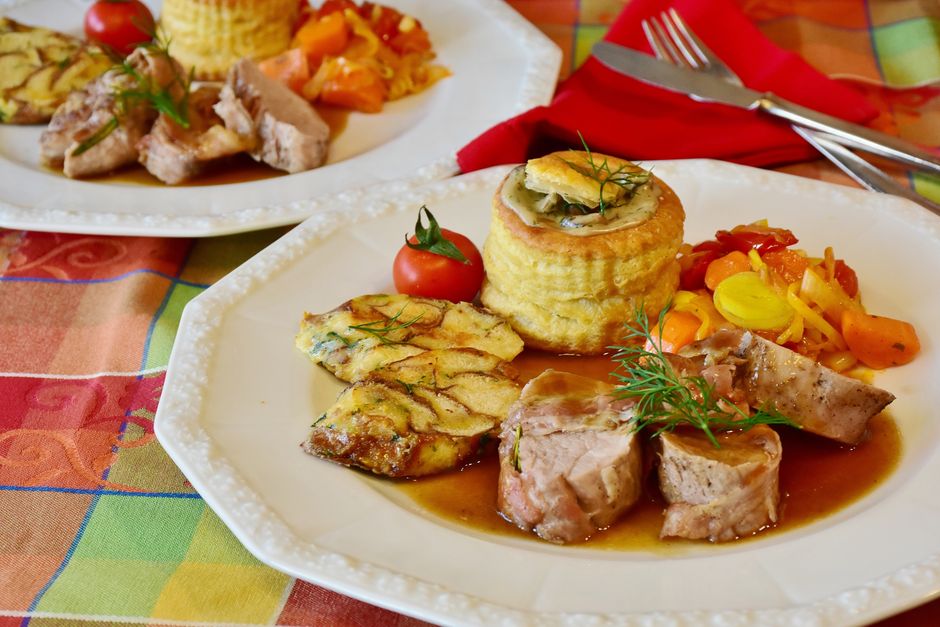
Pork is the most consumed meat in the world, yet it often gets pushed aside when people start a weight loss plan. Many dieters assume they must stick to chicken and fish to see results. That assumption may be costing you variety and satisfaction that actually help with long-term adherence.
Eating pork is good for weight loss when you choose lean cuts and control portion sizes, because it provides high-quality protein that supports muscle preservation and satiety. A 3-ounce serving of pork tenderloin contains roughly 120 to 140 calories and about 22 to 24 grams of protein, making it comparable to chicken breast. The key is selecting the right cuts and preparing them without heavy sauces or excess oil.
Most generic advice lumps all pork together, which is misleading. Cured and processed products like bacon and sausage are very different from fresh cuts like loin and tenderloin. This article breaks down which pork options fit a weight loss plan, how to cook them, and what the research actually shows.
Key Points at a Glance
| Point | What It Means | Why It Matters |
|---|---|---|
| Protein density | Lean pork provides 20+ grams of protein per 3-ounce serving | Protein preserves muscle and keeps you full longer |
| Cut selection | Tenderloin and loin are lean; bacon and sausage are not | Choosing the right cut determines calorie and fat content |
| Cooking method | Grilling, roasting, or baking beats frying | Added fats from frying can double the calorie count |
| Portion control | Stick to 3 to 4 ounces per meal | Even lean pork contributes calories that add up quickly |
| Processing matters | Fresh pork differs from cured or smoked products | Processed pork is linked to higher health risks in some studies |
What Makes Pork Good or Bad for Weight Loss?
Pork’s reputation suffers because of bacon and sausage, not because of the meat itself. Fresh pork cuts like tenderloin, sirloin, and loin chops are among the leanest meats available. The USDA categorizes pork tenderloin as comparable to chicken breast in fat content per serving.
I always check the label for “loin” in the name when buying pork. Cuts from the loin area are naturally lower in fat, while shoulder and belly cuts contain significantly more. A simple rule: if the cut comes from the back of the animal, it is leaner than cuts from the belly or shoulder.
Is Eating Pork Good for Weight Loss Compared to Chicken?
Research consistently shows that lean pork and chicken have similar effects on weight loss when calories are matched. A study published in the American Journal of Clinical Nutrition found no significant difference in body composition changes between people eating lean pork versus chicken as their primary protein source.
Both meats support satiety through their protein content. The real difference comes down to preparation. A breaded and fried pork chop carries far more calories than a grilled chicken breast, but the same applies in reverse.
Try swapping chicken for pork tenderloin twice a week. The variety prevents diet boredom, which is a common reason people abandon their eating plans.
Which Pork Cuts Are Best for Weight Loss?
The leanest pork cuts include tenderloin, sirloin roast, and loin chops. These cuts contain roughly 120 to 160 calories per 3-ounce cooked serving, depending on how they are trimmed and prepared. Avoid rib chops, shoulder, and belly cuts, which can contain double the fat and calories.
Ground pork varies widely in fat content. Look for labels that specify 90% lean or higher. I always drain and rinse cooked ground pork before adding it to recipes, which removes a surprising amount of rendered fat.
How Should You Cook Pork for Weight Loss?
Grilling, roasting, baking, and slow-cooking are the best methods for keeping pork lean. These techniques require little to no added fat. Frying or sautéing in butter or oil adds 100 or more calories per serving before you even consider the meat itself.
Marinades can help with flavor without adding significant calories, but watch for sugar-heavy sauces. A simple marinade of vinegar, garlic, and herbs adds almost no calories while keeping the meat moist. I use a splash of apple cider vinegar and smoked paprika on pork loin, and the result is flavorful without any added sugar.
Internal temperature matters for both safety and texture. Cook pork to 145 degrees Fahrenheit and let it rest for three minutes before slicing. Overcooked pork becomes dry and tough, which makes people reach for sauces that add unwanted calories.
How Much Pork Should You Eat to Lose Weight?
Portion size determines whether pork helps or hinders your weight loss efforts. A standard serving is 3 to 4 ounces of cooked meat, roughly the size of a deck of cards. This portion provides 20 to 30 grams of protein, which is enough to support muscle maintenance in most adults.
Your total daily protein needs depend on your body weight and activity level. General guidance suggests 0.36 grams of protein per pound of body weight for sedentary adults, with higher needs for those who exercise regularly. Use a TDEE calculator to determine your specific calorie target, then fit pork portions into that plan.
Measure your pork portions for the first few weeks. Most people underestimate portion sizes by 50% or more, especially when eating out.
What About Bacon and Processed Pork?
Bacon, sausage, ham, and other processed pork products are a different story. These items are typically high in sodium, saturated fat, and preservatives. Some studies suggest that regular consumption of processed meats is linked to higher rates of chronic disease, though the evidence for fresh pork does not show the same pattern.
If you enjoy bacon, treat it as an occasional flavoring rather than a protein source. A crumbled slice of bacon over a salad adds flavor for about 40 to 50 calories. That is a very different situation from eating three slices of bacon as your breakfast protein.
No strong clinical evidence currently supports the idea that fresh, lean pork is harmful for weight loss. The evidence points to processed pork products as the concern, not the meat itself.
Related Articles
Frequently Asked Questions
Is eating pork good for weight loss every day?
Eating lean pork daily can fit into a weight loss plan if your portions and total calories are controlled. Variety is still wise, so rotate pork with chicken, fish, beans, and eggs across the week.
Does pork make you gain belly fat?
No food alone causes belly fat, including pork. Excess calories from any source contribute to fat storage, so portion control matters more than the specific meat you choose.
Is pork more fattening than beef?
Lean pork is comparable to lean beef in calories and fat per serving. The fattier cuts of both meats are higher in calories, so cut selection matters more than the animal source.
Can you eat pork on a low-carb diet?
Yes, fresh pork contains zero carbohydrates, making it suitable for low-carb and keto eating plans. Avoid breaded pork and sugary barbecue sauces, which add carbs and calories.
What is the leanest cut of pork?
Pork tenderloin is the leanest cut, with about 120 calories and 3 grams of fat per 3-ounce serving. Pork sirloin roast and loin chops are also excellent lean choices.
Is pork good for building muscle while losing weight?
Pork is an excellent source of complete protein, providing all essential amino acids your body needs for muscle maintenance. Combined with resistance training, adequate protein intake from pork supports body recomposition.
Calculate your personal calorie needs with our TDEE calculator to see how pork fits into your specific weight loss plan.

The TDEECAL Team writes about nutrition, metabolism, and fat loss the way we built our calculator, with real numbers and no hype. We dig into the research so you don’t have to guess.