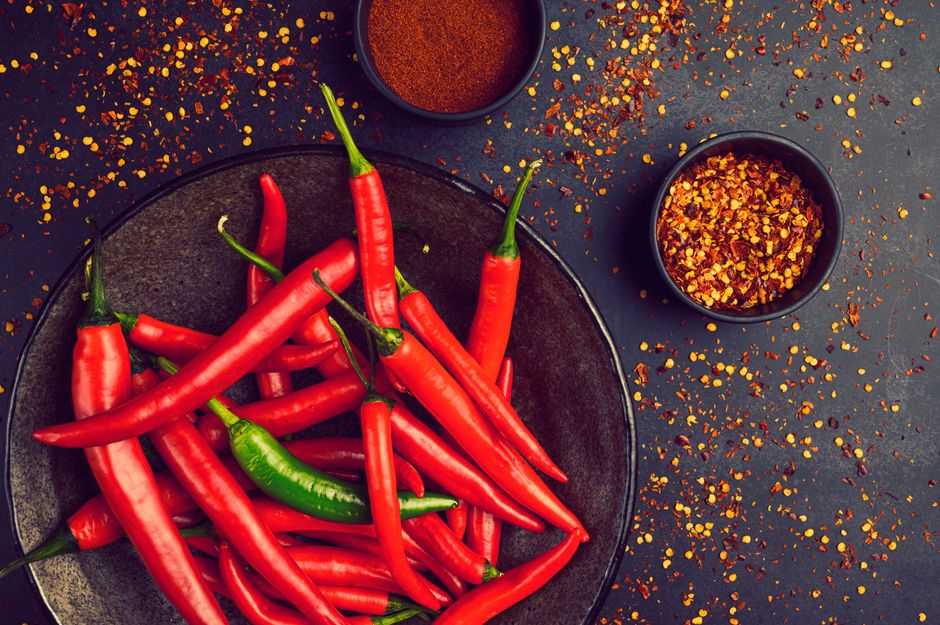
Is Spicy Good for Weight Loss? Here’s What the Evidence Shows
Spicy food has been linked to weight management for years, but the science is more nuanced than most headlines suggest. The short answer is that spicy foods can support weight loss efforts, but they are not a magic solution.
Research indicates that capsaicin, the compound that gives chili peppers their heat, may slightly boost metabolism and reduce appetite. However, the effects are modest and vary significantly from person to person. Some studies suggest spicy food can help you eat less at a single meal, while other research shows the metabolic boost is small enough to barely matter.
The bigger benefit might be simpler. People who regularly eat spicy food often find they eat more slowly, drink more water, and feel satisfied with smaller portions. That combination can genuinely help with weight loss over time, even if the direct calorie-burning effect is minimal.
This article covers what the research actually says about spicy food and weight, how much it really helps, and practical ways to use spice in your daily eating without overdoing it.
Key Points at a Glance
| Point | What It Means | Why It Matters |
|---|---|---|
| Capsaicin effect | May slightly increase metabolism | Effect is small, roughly 50 extra calories burned daily |
| Appetite control | Can reduce hunger at the next meal | Helps you eat less without feeling deprived |
| Portion satisfaction | Spicy food forces slower eating | Gives your brain time to register fullness |
| Not a standalone fix | Spice alone won’t cause weight loss | Calorie deficit still matters most |
| Tolerance factor | Effects fade with regular use | Benefits are strongest for occasional spice eaters |
How Does Spicy Food Actually Affect Your Metabolism?
Capsaicin works by activating a protein called TRPV1, which triggers thermogenesis. This is the process where your body generates heat and burns extra calories. Research published in the journal Appetite found that adding about one gram of red pepper to a meal increased energy expenditure by roughly 10 calories per meal.
That number sounds tiny, and it is. Over a full day, the metabolic boost from spicy food might total 40 to 60 calories. That is the equivalent of a small apple. It helps, but it will not create a meaningful calorie deficit on its own.
The thermogenic effect also diminishes with regular consumption. Your body adapts to capsaicin over time, which means the metabolic boost weakens. People who eat spicy food daily may see almost no metabolic benefit after a few weeks.
I always tell clients to treat spice as a bonus, not the main strategy. The real work still comes from eating fewer calories than you burn.
Can Spicy Food Help You Eat Less?
This is where the evidence gets more interesting. Several studies have shown that consuming capsaicin before or during a meal reduces appetite and increases feelings of fullness. One study found that people who ate red pepper with their appetizer consumed about 60 fewer calories at the main meal that followed.
The mechanism appears to be twofold. Capsaicin stimulates the release of satiety hormones like GLP-1, which signal fullness to your brain. It also slows gastric emptying, meaning food stays in your stomach longer and you feel full for a longer period.
Spicy food also naturally forces you to eat more slowly. When your mouth is burning, you take smaller bites and chew more thoroughly. This gives your brain the 20 minutes it needs to register that you are full, which naturally reduces portion size.
The appetite-suppressing effect is more consistent than the metabolic effect. Some research suggests this is the main reason spicy food helps with weight management.
Is Spicy Good for Weight Loss in the Long Term?
The long-term picture is more complicated. Studies on spicy food and weight loss over months or years show mixed results. Some observational research links regular spicy food consumption with lower obesity rates, but these studies cannot prove cause and effect.
What the evidence does suggest is that spicy food can be a useful tool within a broader weight loss plan. If you enjoy spicy food, using it to make vegetables and lean proteins more appealing can help you stick to a healthy eating pattern. That consistency matters more than any metabolic effect.
The tolerance issue is real, though. As your body adapts to capsaicin, both the metabolic and appetite effects weaken. Some research suggests taking breaks from spicy food can help maintain the benefits, though this has not been well studied.
My personal observation from working with clients is that spicy food helps most as a flavor strategy. People who enjoy spicy meals tend to use less salt, butter, and creamy sauces because the heat carries the flavor. That swap alone can save 100 to 200 calories per meal.
What Are the Downsides of Eating Spicy Food?
Spicy food is not for everyone, and it can cause real problems for some people. Gastrointestinal distress is the most common issue. Capsaicin can irritate the stomach lining and trigger heartburn or acid reflux in sensitive individuals.
If you have irritable bowel syndrome, gastritis, or a history of stomach ulcers, spicy food may make your symptoms worse. The evidence on whether spicy food causes ulcers is mixed, but it can certainly aggravate existing digestive conditions.
Spicy food can also mask the taste of food that has gone bad, which is a food safety concern. The heat numbs your taste buds and can hide spoilage. This is rarely discussed but worth keeping in mind with leftovers.
Start small if you are new to spicy food. A pinch of cayenne in soup or a few chili flakes on roasted vegetables is enough to test your tolerance. You can always add more heat, but you cannot take it back once it is in the dish.
Frequently Asked Questions
Related Articles
Does spicy food burn belly fat specifically?
No, spicy food does not target belly fat. Weight loss happens evenly across your body, and spot reduction is a myth.
How much spicy food do you need to eat to see benefits?
Research typically uses about one gram of red pepper or chili powder per meal. That is roughly half a teaspoon, which is a moderate amount of heat.
Can spicy food speed up your metabolism permanently?
No, the metabolic effect is temporary and fades with regular consumption. Your body adapts to capsaicin within a few weeks.
Is spicy food bad for your stomach?
For most people, moderate amounts are fine. If you have acid reflux, ulcers, or IBS, spicy food may worsen your symptoms.
Does eating spicy food make you crave less sugar?
Some research suggests capsaicin may reduce cravings for sweet foods, but the evidence is limited. The effect likely varies from person to person.
What is the best way to add spice to meals for weight loss?
Use fresh chili peppers, chili flakes, or hot sauce on vegetables, lean proteins, and soups. Avoid creamy spicy sauces, which add calories.
The bottom line is that spicy food can help with weight loss, but only as part of a balanced approach. The appetite control and flavor benefits are real, while the metabolic boost is minor. If you enjoy spicy food, use it freely. If you do not, there is no need to force it, because the weight loss benefits are not significant enough to override your preferences.

The TDEECAL Team writes about nutrition, metabolism, and fat loss the way we built our calculator, with real numbers and no hype. We dig into the research so you don’t have to guess.