Most women trying to lose weight eat too little protein at breakfast and lunch, then overload their dinner plate. That pattern works against you, because your body uses protein more efficiently when you spread it across the day.
For weight loss, most women should aim for 25 to 40 grams of protein per meal. That works out to roughly 0.55 to 0.7 grams of protein per pound of body weight daily, divided across three meals. This amount helps preserve muscle while you lose fat, which keeps your metabolism from slowing down.
Getting this right matters more than most people think. When you cut calories, your body breaks down muscle for energy if protein is too low. Losing muscle makes it harder to keep weight off long-term.
This article covers what the research actually says about protein timing and portions. You will also get practical meal ideas and answers to common questions that generic search results usually skip.
Key Points at a Glance
| Point | What It Means | Why It Matters |
|---|---|---|
| Per-meal target | 25–40 grams of protein per meal | Supports muscle retention during calorie deficit |
| Daily total | Approximately 0.55–0.7 grams per pound of body weight | Meets needs without excessive calories |
| Meal spacing | Even distribution across 3 meals | Improves muscle protein synthesis throughout the day |
| Protein quality | Complete proteins from animal or soy sources | Provides all essential amino acids your body needs |
| Upper limit | Roughly 40 grams per meal for most women | Excess protein gets stored or wasted, not used for muscle |
Why Protein Per Meal Matters for Weight Loss
Protein is the most filling macronutrient. Studies consistently show that high-protein meals reduce hunger hormones and increase fullness hormones. This makes it easier to eat fewer calories without feeling deprived.
Protein also has the highest thermic effect of food. Your body burns about 20 to 30 percent of protein calories just digesting it, compared to 5 to 10 percent for carbohydrates and 0 to 3 percent for fat. That means a higher-protein diet naturally increases your daily calorie burn.
Practical Tip: I always tell clients to plan protein first, then build the rest of the meal around it. Choose your protein source before you think about sides or sauces.
How Much Protein Per Meal Actually Supports Weight Loss
Research on muscle protein synthesis shows that your body responds best to 20 to 40 grams of protein per meal. Below 20 grams, muscle building is minimal. Above 40 grams, the extra protein mostly gets oxidized for energy rather than used for muscle.
For a 150-pound woman, a daily target of roughly 82 to 105 grams of protein divided across three meals lands at about 27 to 35 grams per meal. Smaller women may need closer to 25 grams per meal, while larger or very active women may need up to 40 grams.
Eating this amount at each meal also stabilizes blood sugar. Stable blood sugar means fewer energy crashes and fewer cravings for sugary snacks between meals. I notice this effect with my own clients within the first week.
How to Build a Meal With Enough Protein
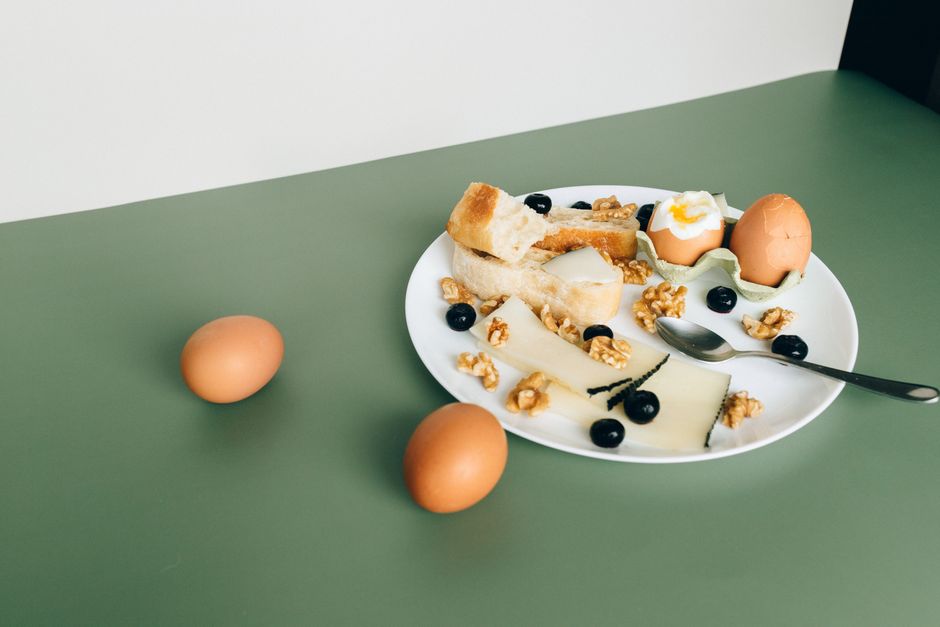
Getting 30 grams of protein at breakfast is the hardest meal for most women. A typical breakfast of toast and fruit provides only 5 to 10 grams. You need to be intentional about adding eggs, Greek yogurt, cottage cheese, or a protein shake.
For lunch and dinner, a palm-sized portion of chicken, fish, or lean beef provides roughly 25 to 30 grams. Add a serving of beans, lentils, or quinoa to reach higher targets. Greek yogurt or cottage cheese makes an easy afternoon snack to top up your daily total.
Here are some practical combinations that hit the 25 to 40 gram range:
- 3 eggs plus 1 cup of Greek yogurt: about 30 grams
- 4 ounces of chicken breast with 1 cup of quinoa: about 38 grams
- 1 cup of cottage cheese with 1/2 cup of almonds: about 28 grams
- 1 scoop of whey protein in milk with 1 tablespoon of peanut butter: about 35 grams
- 5 ounces of salmon with 1 cup of lentils: about 40 grams
Practical Tip: I keep pre-cooked chicken breast and hard-boiled eggs in the fridge at all times. Having protein ready makes it far easier to hit your per-meal target without thinking.
What Happens If You Eat Too Much Protein Per Meal
Eating more than 40 grams of protein in a single meal does not give you extra muscle-building benefits. Your body has a ceiling for how much protein it can use at one time for muscle synthesis. The rest gets converted to glucose or stored as fat.
This does not mean extra protein is harmful for healthy women. It just means you are not getting additional benefit from it. Spreading protein across the day is more effective than eating most of it in one sitting.
If you have kidney disease, high protein intake can be problematic. Always check with your doctor if you have any kidney concerns before increasing protein significantly.
Do You Need Protein Supplements or Shakes?
Whole foods should be your primary protein source. They provide vitamins, minerals, and fiber that supplements do not. However, protein powder can be a convenient way to reach your per-meal target, especially at breakfast.
Whey protein is the most studied option and digests quickly. Plant-based options like pea or soy protein work well too. A single scoop typically provides 20 to 25 grams of protein for roughly 100 to 150 calories.
No strong clinical evidence suggests that any specific brand is superior. Choose one that fits your budget and digestive comfort. If you tolerate dairy, whey is a solid choice. If not, pea protein is a good alternative.
Related Articles
Frequently Asked Questions
Can I eat too much protein in one meal?
Your body can only use about 20 to 40 grams of protein per meal for muscle building. Anything beyond that is mostly converted to energy or stored, so it is not harmful but provides no extra benefit.
Is 30 grams of protein per meal enough for weight loss?
For most women, yes, 30 grams per meal works well for weight loss. This provides roughly 90 grams daily, which supports muscle retention while you reduce calories.
What is the best protein source for weight loss?
Lean animal proteins like chicken, turkey, fish, and eggs are highly effective because they are complete proteins with relatively few calories. Greek yogurt, cottage cheese, and legumes are good options for variety.
Should I eat protein before or after a workout?
Both timing options work, but total daily intake matters more than exact timing. Eating protein within a few hours after your workout supports muscle recovery effectively.
Does eating protein at breakfast help with cravings?
Yes, a high-protein breakfast reduces hunger hormones and keeps you fuller longer. Women who eat 25 to 30 grams of protein at breakfast tend to snack less later in the day.
How do I calculate my personal protein needs?
Multiply your body weight in pounds by 0.55 to 0.7 to get your daily protein target in grams. Divide that number by three meals to get your per-meal target.
Use our TDEE Calculator to find your maintenance calories, then subtract 300 to 500 for weight loss. This gives you a personalized starting point for your calorie and protein goals.

The TDEECAL Team writes about nutrition, metabolism, and fat loss the way we built our calculator, with real numbers and no hype. We dig into the research so you don’t have to guess.