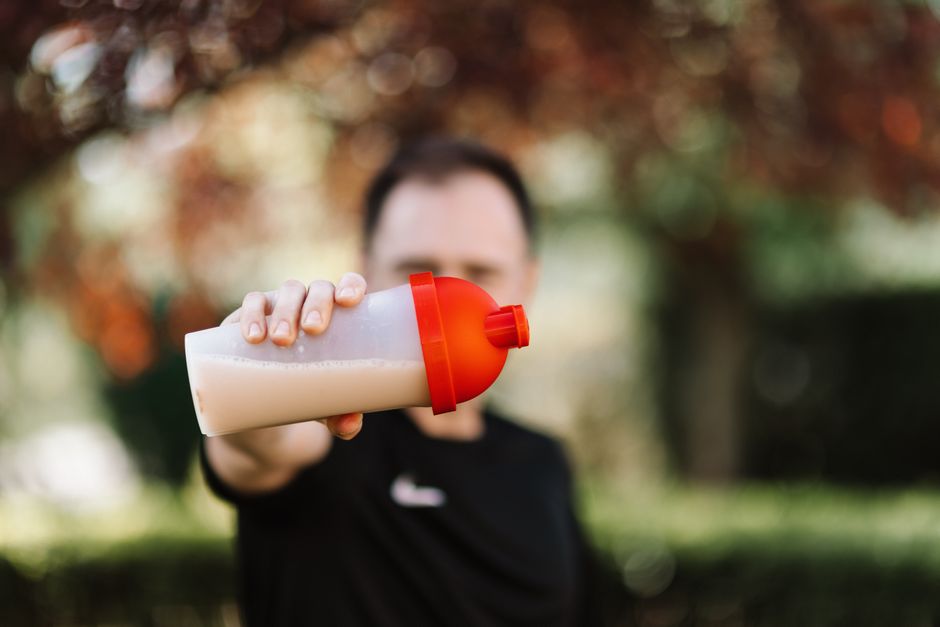
You’ve probably stared at the protein aisle, wondering if the expensive isolate is really worth it. The short answer is that most people don’t need the most processed version to lose weight.
When it comes to weight loss, the best type of whey protein is a standard whey concentrate, provided you aren’t lactose intolerant. It offers a complete protein profile at a lower cost and with more of the natural fats and carbohydrates that help you feel full. The most important factor isn’t the fancy processing, but simply choosing a powder you will actually drink consistently.
This guide cuts through the marketing noise to explain the real differences between concentrate, isolate, and hydrolysate. We’ll focus on what the research actually says about satiety, calories, and muscle preservation. You’ll leave knowing exactly which tub to grab, without overpaying for benefits you don’t need.
Key Points at a Glance
| Point | What It Means | Why It Matters |
|---|---|---|
| Whey Concentrate | Contains 70-80% protein, plus some lactose and fat. | Best value for most people; keeps you fuller longer. |
| Whey Isolate | More processed, 90%+ protein, almost no lactose. | Only necessary if you are lactose sensitive or tracking strict macros. |
| Hydrolysate | Pre-digested proteins that absorb fastest. | No proven weight loss advantage; costs the most. |
| Calorie Control | All types sit between 100-150 calories per scoop. | Weight loss still depends on total daily calorie intake. |
| Protein Timing | Total daily protein matters more than the exact time you drink it. | Focus on hitting your daily target first, not on “anabolic windows.” |
How Much Protein Do You Actually Need?
Before choosing a powder, you need a target number. Research consistently shows that higher protein intakes help preserve muscle during a calorie deficit, which keeps your metabolism running higher. A common target for women in weight loss is roughly 1.2 to 1.6 grams of protein per kilogram of body weight daily.
For a 180-pound woman, that translates to about 100 to 130 grams of protein per day. If you struggle to hit that with whole foods like chicken, eggs, and yogurt, a whey shake is a convenient bridge. I always tell clients to treat the shake as a supplement to their diet, not the main event.
Practical Tip: Use our TDEE Calculator to find your maintenance calories first. Subtract 300-500 calories for weight loss, then calculate your protein target from there.
Isolate vs. Concentrate: Does It Matter for Fat Loss?
Some studies suggest that whey protein isolate leads to a slightly greater release of appetite-regulating hormones compared to concentrate. However, the difference is small and unlikely to change your weekly progress on the scale. The evidence is mixed on whether these minor hormonal shifts translate to eating fewer calories overall.
What matters more is the texture and mixability. Concentrate often has a slightly “milky” flavor that many people prefer, while isolate can be thinner and a bit chalky. Choose the one you won’t dread drinking every day; consistency beats minor biochemical advantages.
What Type of Whey Protein Should You Avoid for Weight Loss?
You should avoid “mass gainer” powders that are technically whey-based but loaded with added sugars and maltodextrin. These products can pack 500 to 1,000 calories per scoop, completely undoing your calorie deficit. Always check the nutrition label for added sugar — anything over 5 grams per serving is a red flag for a weight loss goal.
Also be wary of proprietary blends that don’t list exact amounts of each protein type. You might be paying for a mix that is mostly cheap concentrate with a sprinkle of expensive isolate. A straightforward label listing “Whey Protein Concentrate” as the only ingredient is usually the most honest choice.
One thing I always check in my own kitchen is the scoop size. Some brands use a huge scoop to make the serving look generous, but it just means more powder and more calories. Use a food scale for the first few servings to see exactly what you are getting.
Does Whey Protein Help You Lose Belly Fat Specifically?
No protein powder can spot-reduce belly fat. That claim is often repeated in marketing, but strong clinical evidence does not support it. What whey protein does do is support overall fat loss by helping you feel full and preserving lean muscle mass.
When you lose weight, you lose a mix of fat and muscle. A higher protein diet shifts that ratio toward more fat loss. As your overall body fat percentage drops, you will notice changes in your midsection, but that is a whole-body effect, not a localized one.
When Should You Drink Your Whey Shake?
The “anabolic window” theory that you must drink protein within 30 minutes of a workout is largely overstated. Research indicates that total daily protein intake is the primary driver of muscle maintenance. If you enjoy a shake post-workout, that is fine, but it won’t make or break your results.
Many women find a shake most useful as a mid-morning snack to prevent overeating at lunch. Others use it as a low-effort breakfast on busy mornings. Choose a time that fits your routine and keeps you on track with your calorie goals.
Related Articles
Frequently Asked Questions
Is whey protein isolate better for weight loss than concentrate?
No, isolate is not significantly better for weight loss than concentrate. The minor differences in hunger hormones do not consistently lead to greater fat loss in real-world studies.
Can I drink whey protein on a low-carb diet?
Yes, plain whey concentrate and isolate are naturally very low in carbohydrates. A standard scoop contains only 2-4 grams of carbs, which fits easily into most low-carb or keto plans.
How many calories are in a typical whey protein shake?
A standard scoop of whey protein mixed with water is roughly 100 to 150 calories. Adding milk, fruit, or nut butter will increase that count significantly.
Will whey protein make me gain weight?
Whey protein only causes weight gain if you consume more calories than you burn. Used as a replacement for higher-calorie foods, it actively supports weight loss.
What is the best whey protein for a woman over 50?
The best choice is a plain whey concentrate without added hormones or artificial sweeteners. Older women need adequate protein to combat age-related muscle loss, so focus on hitting your daily protein target rather than the specific type.
Does the flavor of whey protein matter for weight loss?
Flavor matters only for adherence. If you dislike the taste, you won’t drink it, and you won’t get the protein you need.
Choosing the right whey protein comes down to your tolerance for lactose and your budget, not complex science. Start with a high-quality concentrate, check the label for added sugars, and use it to hit your daily protein goals. Pair that with a modest calorie deficit, and you have a sustainable plan that works.

The TDEECAL Team writes about nutrition, metabolism, and fat loss the way we built our calculator, with real numbers and no hype. We dig into the research so you don’t have to guess.