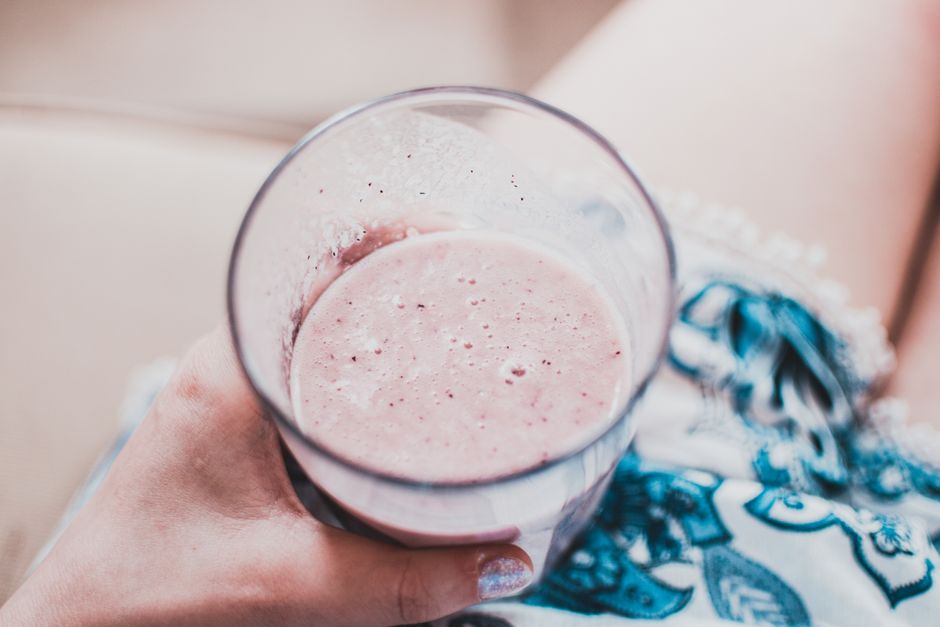
You might be wondering if that tub of powder in your pantry is actually helping your weight loss efforts or just adding extra calories to your day. The short answer is that Optimum Nutrition whey protein can support weight loss, but only when it fits into your overall calorie plan. It works best as a tool for managing hunger and protecting muscle, not as a magic solution on its own.
Is Optimum Nutrition whey protein good for weight loss? Yes, it can be, because protein helps you feel full and preserves lean muscle while you cut calories. Optimum Nutrition Gold Standard Whey provides about 120 calories and 24 grams of protein per scoop, which makes it a practical option for a meal replacement or post-workout shake. The key is that it must fit within your daily calorie target, since any extra calories can stall your progress.
Most people who struggle with weight loss don’t fail because of their protein powder. They fail because they don’t know their actual calorie needs, or they drink shakes on top of their regular meals instead of replacing part of a meal. This article covers how whey protein fits into a weight loss plan, how much you actually need, and what the research really says about protein timing and appetite control.
Key Points at a Glance
| Point | What It Means | Why It Matters |
|---|---|---|
| Protein keeps you full | Whey protein reduces hunger hormones and increases fullness signals | Helps you eat fewer calories without feeling deprived |
| Muscle preservation | Higher protein intake protects lean mass during calorie restriction | Maintains your metabolism while you lose fat |
| Calorie math still rules | A shake only helps if it fits your daily calorie budget | Extra shakes on top of meals cause weight gain |
| Timing is flexible | Total daily protein matters more than exact timing | Don’t stress about the “anabolic window” after workouts |
How Does Whey Protein Help With Weight Loss?
Whey protein works for weight loss through two main pathways: appetite control and muscle preservation. Research consistently shows that protein is the most filling macronutrient, meaning it reduces hunger more effectively than carbohydrates or fats. A study in the journal Obesity found that increasing protein intake to 25-30% of total calories significantly reduced cravings and late-night snacking.
When you lose weight, your body naturally loses some muscle along with fat. Higher protein intake helps slow that muscle loss, which matters because muscle tissue burns more calories at rest than fat tissue does. I always tell my clients to think of muscle as your metabolic engine — the more you keep, the easier maintenance becomes.
One thing I notice with my own clients is that a whey shake mid-afternoon kills the 3 p.m. vending machine urge better than any snack. That’s not just anecdotal — the research on protein’s effect on satiety hormones like ghrelin and GLP-1 backs it up.
How Much Protein Do You Actually Need?
For weight loss, most research suggests aiming for roughly 0.7 to 1 gram of protein per pound of body weight. That means a 170-pound woman would target about 120 to 170 grams of protein daily, which is more than most people realize. The average American woman gets around 60 to 70 grams, so most of you reading this are likely falling short.
A single scoop of Optimum Nutrition whey provides 24 grams, which covers a good portion of that target. But you shouldn’t rely on shakes alone — whole food sources like chicken, fish, eggs, Greek yogurt, and legumes should form the foundation of your intake.
Practical tip: Use your TDEE Calculator to find your maintenance calories first, then subtract 300-500 calories for weight loss. Aim for protein to make up about 30% of those remaining calories.
Is Optimum Nutrition Whey Protein Good for Weight Loss Compared to Other Proteins?
Optimum Nutrition Gold Standard is a blend of whey protein isolate and concentrate, which means it digests quickly and contains minimal fat and carbohydrates. Each scoop delivers about 24 grams of protein for roughly 120 calories, which gives you a favorable protein-to-calorie ratio. Compared to a food-based protein source like chicken breast, it offers convenience without the prep time.
What sets Optimum Nutrition apart from cheaper brands is third-party testing for purity and label accuracy. That matters because some protein powders on the market contain less protein than their labels claim. I’ve had clients switch from bargain brands and notice better results simply because they were actually getting the protein they thought they were buying.
One thing to watch: the “Gold Standard” line has different versions, so check the label carefully. The Double Rich Chocolate flavor has 120 calories and 24 grams of protein, but some flavors or specialty blends differ slightly in their macros.
When Should You Drink a Whey Protein Shake?
The old advice about drinking a shake within 30 minutes of your workout is largely outdated. Research now suggests that total daily protein intake matters far more than precise timing around exercise. You can drink your shake whenever it fits your schedule and helps you hit your daily protein target.
That said, strategic timing can help with appetite control. Many dietitians recommend a protein shake between meals when you tend to get hungry, or as a meal replacement when you’re short on time. I personally use one after my morning workout because it keeps me full until lunch, but I know clients who prefer theirs as an evening snack to curb late-night cravings.
If you’re using whey as a meal replacement, pair it with a source of fiber and healthy fat to make it more satisfying. Blend it with a handful of spinach, some frozen berries, and a tablespoon of almond butter for a more complete meal.
What About the Calories in Protein Powder?
Each scoop of Optimum Nutrition whey contains roughly 120 calories, which is reasonable for a protein supplement. The problem arises when people add shakes to their diet without adjusting their food intake elsewhere. A shake on top of your normal meals adds calories, and excess calories always lead to weight gain regardless of the source.
To use whey protein effectively for weight loss, treat it as part of your meal plan, not an addition to it. If you drink a shake, reduce calories elsewhere in your day to stay within your target. This is where tracking your intake for a few weeks can be genuinely eye-opening — most people underestimate what they eat by 30-40%.
Frequently Asked Questions
Related Articles
Is Optimum Nutrition whey protein good for weight loss?
Yes, it can support weight loss when it fits within your daily calorie budget. It helps control hunger and preserves muscle, but it won’t cause weight loss on its own.
How many calories are in Optimum Nutrition whey protein?
One standard scoop of Optimum Nutrition Gold Standard Whey contains about 120 calories and 24 grams of protein. Different flavors may vary slightly in their exact nutritional values.
Can I drink whey protein without working out?
Yes, you can drink whey protein without exercising, and it can still help with appetite control. The protein helps you feel full, which may reduce your overall calorie intake during the day.
Will whey protein make me gain weight?
Whey protein will only cause weight gain if you consume it in addition to your normal meals without adjusting your calorie intake. Any food or supplement that pushes you above your maintenance calories will cause weight gain.
Should I replace meals with protein shakes?
Replacing one meal per day with a protein shake can help you reduce calories, but it’s best to keep it balanced with fiber and healthy fats. Long-term reliance on shakes alone is not sustainable, so incorporate whole foods as well.
Whey protein is a convenient tool, but it’s not the whole answer. Your calorie target, protein intake from whole foods, and consistency matter far more than any single supplement. Start by calculating your needs, then use whey protein strategically to fill the gaps.

The TDEECAL Team writes about nutrition, metabolism, and fat loss the way we built our calculator, with real numbers and no hype. We dig into the research so you don’t have to guess.