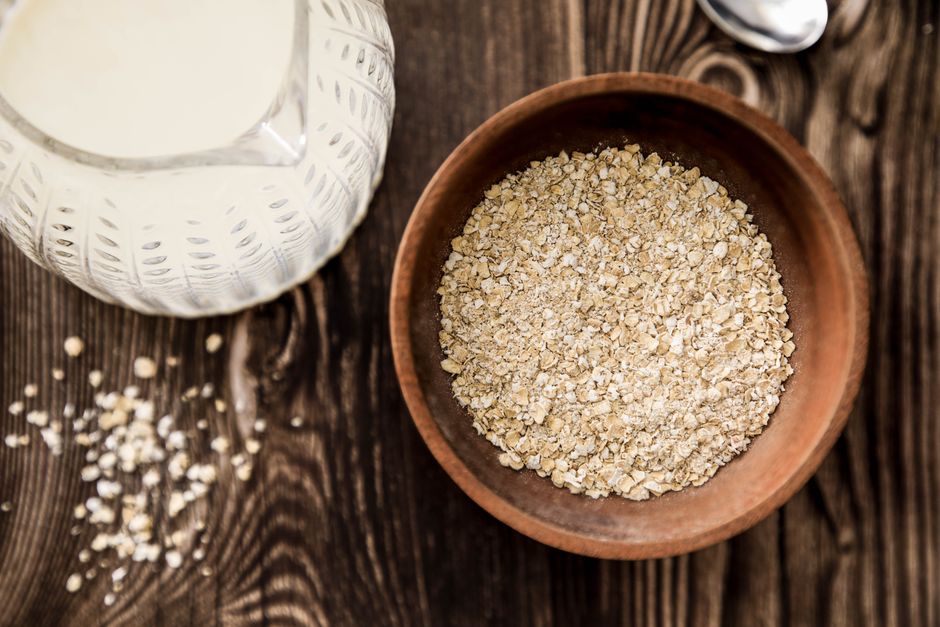
Oat milk often appears in weight loss conversations, but the answer is more complicated than a simple yes or no.
The honest answer to whether oat milk is good for weight loss is: it depends entirely on the brand, the portion, and what you are replacing. Plain, unsweetened oat milk has roughly 90 to 120 calories per cup, which is less than whole milk but more than unsweetened almond milk. The real issue is added sugar — many flavored oat milk products pack 10 to 15 grams of sugar per serving, which can quietly derail a calorie deficit.
Most people searching for weight loss advice have tried swapping dairy for plant-based options and hit confusion at the grocery store. With dozens of cartons claiming to be healthy, it is easy to grab one that works against your goals. This article breaks down the actual calorie counts, the sugar trap, and how oat milk fits into a realistic weight loss plan.
You will also learn which type to buy, how much to pour, and why your coffee habit might be adding more calories than you think. No hype, no shame — just the numbers and the practical choices that matter.
Key Points at a Glance
| Point | What It Means | Why It Matters |
|---|---|---|
| Calorie content | Plain oat milk has 90–120 calories per cup | Higher than almond milk, lower than whole milk |
| Sugar content | Flavored versions add 10–15 grams of sugar | Added sugar can break a calorie deficit fast |
| Portion control | Most people pour 1.5 to 2 cups without measuring | Double portions double the calories |
| Protein level | Oat milk has only 2–4 grams of protein per cup | Lower than dairy milk, so it is less filling |
| Best choice | Unsweetened, fortified oat milk in moderation | Fits a weight loss plan if you track it |
How Many Calories Are in Oat Milk?
A standard cup of plain, unsweetened oat milk contains roughly 90 to 120 calories, depending on the brand. That places it between unsweetened almond milk at 30 to 40 calories and whole dairy milk at about 150 calories per cup. The calorie difference comes from the oats themselves — they are a carbohydrate-rich grain, and the processing concentrates those calories into the liquid.
I always check the nutrition label before buying, because some brands add oil or extra sweetener that pushes a cup toward 150 calories. That is not a dealbreaker, but it changes how the milk fits into your daily total.
Is Oats Milk Good for Weight Loss When It Has Added Sugar?
This is where most weight loss plans go wrong. Flavored oat milk — vanilla, chocolate, or barista blends — often contains 10 to 15 grams of added sugar per cup. That is roughly three to four teaspoons, which adds 40 to 60 empty calories on top of the base milk.
Research consistently shows that liquid calories from added sugar are less filling than solid food, so you do not naturally eat less to compensate. Some studies suggest that sweetened plant milks can contribute to weight gain over time, especially when consumed daily in coffee or smoothies.
My rule is simple: if the ingredient list shows sugar, cane syrup, or any syrup before the third ingredient, put it back on the shelf. Unsweetened versions taste fine once your palate adjusts, usually within a week.
Practical tip: Measure your pour for one week. Most coffee mugs hold 12 to 16 ounces, which means a single “glass” of oat milk in your latte is really 1.5 to 2 servings. That small habit can add 100 extra calories to your morning without you noticing.
Does Oat Milk Keep You Full Like Dairy Milk?
Oat milk has only 2 to 4 grams of protein per cup, compared to 8 grams in cow’s milk. Protein is the most satiating macronutrient, so a lower-protein drink will not keep you full as long. The fiber in oat milk — about 2 grams per cup — provides some benefit, but it is not enough to compensate for the protein gap.
Evidence indicates that meals with higher protein reduce hunger and subsequent calorie intake more effectively than lower-protein alternatives. If you rely on oat milk in a smoothie, add a scoop of protein powder or Greek yogurt to balance the meal.
I personally use oat milk in my morning coffee but switch to dairy or soy milk in smoothies when I need the meal to hold me until lunch. That small swap makes a noticeable difference in my afternoon snacking.
How to Choose the Right Oat Milk for Weight Loss
Start with the unsweetened original version from any major brand. Check that the first ingredient is water, the second is oats, and there is no added sugar in the list. Look for calcium and vitamin D fortification, since oat milk naturally lacks the nutrients found in dairy.
Barista blends are the exception to avoid — they add oils and stabilizers to create a creamy texture for steaming, which pushes calories to 130 or more per cup. If you drink lattes daily, that difference adds up to nearly 3,000 extra calories per month.
Some research suggests that smaller, more frequent portions of plant milks fit better into a calorie-controlled diet than large glasses. A splash in coffee or a half-cup in cereal is a reasonable approach; a full glass with every meal is harder to justify.
Frequently Asked Questions
Related Articles
Is oat milk good for weight loss compared to almond milk?
Almond milk has fewer calories, around 30 to 40 per cup, so it is the lower-calorie choice. Oat milk is still fine for weight loss if you stick to unsweetened versions and watch your portions.
How much oat milk can I drink daily without gaining weight?
One cup of unsweetened oat milk per day fits comfortably in most weight loss plans. Two or more cups start to add significant calories that require cutting elsewhere.
Does oat milk spike blood sugar?
Oat milk has a moderate to high glycemic index because it is made from refined oats. Unsweetened versions cause a slower rise than sweetened ones, but pairing it with protein or fat helps stabilize blood sugar.
Is oat milk fattening at night?
No food is fattening based on the time of day — total daily calories matter most. A cup of unsweetened oat milk before bed adds 90 to 120 calories, which is fine if it fits your daily budget.
Can I use oat milk in coffee for weight loss?
Yes, if you use unsweetened oat milk and measure the pour. A standard splash of 2 ounces adds about 15 to 20 calories, which is negligible in a weight loss plan.
What is the best oat milk brand for weight loss?
The best brand is any unsweetened original version with no added sugar and no added oils. Compare labels at your store, as calorie counts vary from 90 to 120 per cup across brands.
If you are tracking calories, use a TDEE calculator to find your maintenance level and build a deficit that works for you. That number tells you exactly how much room oat milk has in your daily plan.

The TDEECAL Team writes about nutrition, metabolism, and fat loss the way we built our calculator, with real numbers and no hype. We dig into the research so you don’t have to guess.