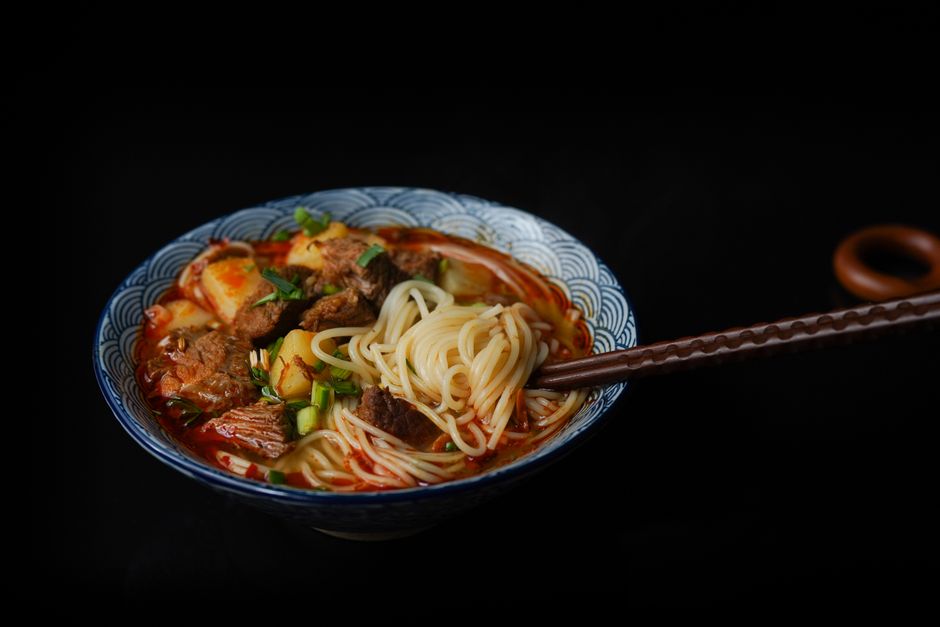
Most store-bought versions or recipes loaded with potatoes, corn, and pasta can quickly turn this healthy meal into a calorie-dense one. The difference between a 200-calorie bowl and a 600-calorie bowl comes down to what you put in the pot.
This guide breaks down what makes a weight-loss-friendly version, what to watch out for, and how to build a bowl that actually keeps you satisfied. We will look at the nutritional split, portion control, and practical cooking tips that go beyond the generic advice you see on other sites.
Key Points at a Glance
| Point | What It Means | Why It Matters |
|---|---|---|
| Calorie Density | Broth-based soup has fewer calories per gram than most solid meals. | You can eat a large bowl for fewer calories, which helps control hunger. |
| Protein Content | Lean beef adds protein that supports muscle maintenance. | Protein increases fullness and helps you preserve muscle while losing fat. |
| Fiber Volume | Vegetables like carrots, celery, and greens add bulk. | Fiber slows digestion and keeps you feeling full for hours. |
| Sodium Trap | Canned or restaurant versions often contain high sodium. | Excess sodium causes water retention and can stall the scale. |
| Starch Pitfall | Potatoes, corn, and noodles add quick calories. | Limiting starchy ingredients keeps the calorie count in a useful range. |
What Makes Vegetable Beef Soup a Weight Loss Friendly Meal?
The main advantage is the water content. Research consistently shows that eating foods with high water volume, like soup, increases satiety more than eating the same ingredients without the liquid. You get a large portion of food for a relatively small number of calories, which is a practical way to manage hunger without feeling deprived.
The protein from the beef also plays a role. Protein is the most filling macronutrient, and it requires more energy to digest than carbohydrates or fat. A bowl with a few ounces of beef helps stabilize blood sugar and prevents the energy crash that often leads to snacking later.
The fiber from the vegetables is the third piece. Fiber is not digested, so it adds bulk to your digestive tract and slows the emptying of your stomach. This combination of water, protein, and fiber is the reason why a well-made vegetable beef soup can be a reliable part of a weight loss plan.
How Many Calories Are in Vegetable Beef Soup?
A homemade vegetable beef soup with lean beef, tomatoes, onions, carrots, and celery typically contains roughly 150 to 200 calories per cup. A standard two-cup serving, which is a reasonable meal portion, comes to about 300 to 400 calories. That is a solid calorie budget for a filling lunch or dinner.
The numbers change quickly if you add starchy ingredients. A cup of diced potatoes adds about 60 to 80 calories, and a half-cup of corn adds another 60. A cup of cooked egg noodles adds roughly 200 calories. These small additions can push a single bowl from a light meal to a heavy one without making you feel any fuller.
Canned versions are a different story. Many commercial canned soups contain around 200 to 300 calories per cup, but they are also very high in sodium. A single serving can contain 800 to 900 milligrams of sodium, which is over a third of the recommended daily limit for most adults. This can cause water retention, making the scale go up even if you are eating the right number of calories.
Is Vegetable Beef Soup Good for Weight Loss When You Buy It Canned?
Canned vegetable beef soup is convenient, but it is rarely the best option for weight loss. The main problems are the sodium content and the use of cheaper, starchier ingredients like potatoes and modified food starch to add bulk. You are often paying for calories that do not provide much protein or fiber.
If you do buy canned, look for labels that show at least 10 grams of protein per serving and less than 600 milligrams of sodium. Check the ingredient list and avoid products where potatoes or corn appear in the first three ingredients. Even then, it is wise to add a handful of fresh spinach or a side salad to increase the volume and fiber of the meal.
How to Build a Weight Loss Friendly Vegetable Beef Soup
Start with a broth base. Use low-sodium beef broth or chicken broth as the liquid. This keeps the sodium in check while providing a rich flavor base.
Choose the right cut of beef. Look for a lean cut like sirloin or round steak, and trim any visible fat before cooking. A three-ounce portion of cooked lean beef provides about 25 grams of protein for roughly 180 calories.
Fill the pot with non-starchy vegetables. Onions, celery, carrots, green beans, zucchini, and leafy greens like kale or spinach are all excellent choices. These add volume and fiber without adding many calories.
Limit the starch to a small amount or skip it entirely. If you want the heartiness of potatoes, use a small amount of sweet potato or cauliflower instead. Cauliflower mimics the texture of potatoes with a fraction of the calories.
Season with herbs and spices rather than salt. Garlic, thyme, rosemary, bay leaves, and black pepper add depth without the sodium. A splash of vinegar or a squeeze of lemon at the end brightens the whole pot.
Frequently Asked Questions
Related Articles
Is vegetable beef soup good for weight loss every day?
Yes, but only if you vary the vegetables and keep the portion size consistent. Eating the same soup daily can lead to boredom, which often triggers cravings for other foods.
Can I eat vegetable beef soup for dinner and still lose weight?
Yes, a two-cup serving with a side salad is a balanced dinner that fits most weight loss plans. Avoid adding bread or crackers, which can add 150 to 200 calories without much fullness.
How much protein is in a bowl of homemade vegetable beef soup?
A two-cup serving with three ounces of lean beef provides roughly 25 to 30 grams of protein. This is a solid amount for a single meal.
Does the cooking method change the calorie count?
No, simmering or slow-cooking does not change the calories. The calorie count only changes when you add oil, butter, cream, or starchy thickeners.
Is frozen vegetable beef soup as good as fresh?
Yes, freezing does not significantly change the nutritional value. Just be aware that some frozen versions have added sauces or starches that increase calories.
How long does homemade vegetable beef soup last in the fridge?
It lasts for three to four days in an airtight container. Reheat only the portion you plan to eat to avoid reheating the whole pot multiple times.
If you are tracking your intake, a bowl of this soup is an easy way to stay within your calorie budget while feeling full. For a more precise plan, use our TDEE Calculator to find your maintenance calories and build a deficit that works for you.

The TDEECAL Team writes about nutrition, metabolism, and fat loss the way we built our calculator, with real numbers and no hype. We dig into the research so you don’t have to guess.