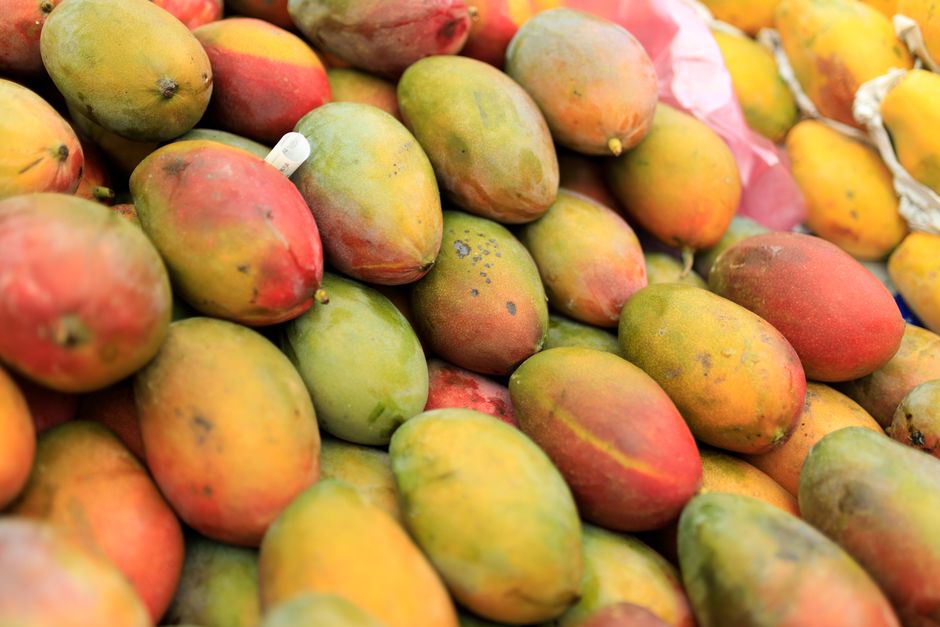
Mango is often the first fruit people cut when they start dieting, assuming its sweetness means it will wreck their progress. But that instinct is usually wrong — the real issue isn’t the mango, it’s the portion.
The answer to how much mango to eat for weight loss is roughly one cup of fresh, cubed mango per day, which contains about 99 calories and provides fiber, vitamin C, and water to help you feel full. This portion fits into most weight loss plans without pushing you over your daily calorie target. The key is measuring your serving rather than eating straight from the bowl, because portion creep happens fast with sweet fruit.
Most weight loss advice treats fruit as either a free food or a forbidden one, and both extremes miss the point. This article covers the actual serving size that works, how mango compares to other fruits, and the simple mistakes that turn a healthy snack into a calorie problem. You will also get practical answers to the questions people ask most about eating mango while dieting.
Key Points at a Glance
| Point | What It Means | Why It Matters |
|---|---|---|
| Daily serving size | One cup of cubed mango, roughly 99 calories | Fits a standard 1,500-calorie weight loss plan |
| Best time to eat it | As a snack or after a meal, not alone on an empty stomach | Pairs with protein or fiber to blunt blood sugar spikes |
| Common mistake | Eating 2–3 cups in one sitting without measuring | Triples the calorie intake and stalls progress |
| Mango vs. other fruit | Similar calories to apples, higher than berries | No need to avoid it, just watch the portion |
| Dried mango warning | Dried versions have 3–4x the calories per gram | Easy to overeat without realizing it |
Is One Cup of Mango Too Much Sugar for Weight Loss?
One cup of mango contains about 23 grams of sugar, which sounds like a lot until you remember it comes with 2.6 grams of fiber and a large amount of water. The sugar in whole fruit is digested differently than added sugar because the fiber slows absorption. Research consistently shows that whole fruit intake is associated with lower body weight, not higher.
Your body processes the sugar in mango alongside its natural fiber, which blunts the insulin response compared to drinking juice or eating candy. The problem only appears when you eat several cups at once or choose dried mango, which removes the water and concentrates the sugar. I always keep a measuring cup in my fruit bowl — it takes five seconds and prevents the “just a few more pieces” spiral that ends with a 400-calorie snack.
Practical tip: Portion your mango into a small bowl and put the rest back in the fridge before you start eating. Out of sight really does mean out of mouth.
How Does Mango Compare to Other Fruits for Weight Loss?
Mango sits in the middle of the fruit calorie range. One cup of cubed mango has about 99 calories, while the same amount of strawberries has roughly 49 calories and a medium apple has about 95 calories. None of these numbers will break your diet — the difference between them is smaller than the difference between one tablespoon and three tablespoons of salad dressing.
What mango offers that some other fruits do not is a higher amount of vitamin C and vitamin A per serving. One cup provides about 60% of your daily vitamin C needs. Some studies suggest that people who eat fruit regularly tend to weigh less over time, though the evidence is associative rather than proof of cause and effect.
What Is the Best Way to Eat Mango Without Derailing Your Diet?
The best way to eat mango for weight loss is cubed fresh fruit eaten as a snack or alongside a protein source like Greek yogurt or cottage cheese. The protein slows digestion and keeps you full longer than eating mango alone. You can also add mango to salads, salsa, or smoothies, but be careful with smoothies because it is easy to pack three servings into one glass without noticing.
Aim to use mango as a replacement for processed sweets rather than an addition to your existing diet. If you normally eat a cookie or a candy bar in the afternoon, swapping that for a cup of mango saves you roughly 100 to 150 calories. That simple substitution adds up to about a pound per month without any other changes.
How Much Mango to Eat Per Day If You Are Counting Calories?
If you track calories precisely, one cup of cubed mango fits neatly into most plans at about 99 calories per serving. For someone eating 1,500 to 1,800 calories daily for weight loss, that represents roughly 5–7% of your total intake. You can eat mango every day at this portion and still lose weight, provided the rest of your diet stays on target.
Weighing your mango is more accurate than measuring by volume because cube size varies wildly depending on how you cut it. A cup of finely diced mango has more pieces and less air than a cup of large chunks, so the weight can differ by 30–40 grams. If you are serious about accuracy, 165 grams of fresh mango is the standard serving size used in USDA nutrition data.
Use the TDEE calculator to find your maintenance calories, then subtract 300–500 calories for weight loss. This gives you a concrete daily budget so you know exactly where a cup of mango fits.
What Happens If You Eat Too Much Mango in One Sitting?
Eating two or three cups of mango in one sitting adds 200 to 300 calories that you may not have budgeted for, which can slow your weekly progress. You also get a rapid sugar load that spikes blood glucose, then drops it quickly, leaving you hungry an hour later. This is the pattern that makes people believe mango is fattening when the real problem is portion size.
One large mango can contain three to four servings, so eating a whole fruit without checking the size can easily double your intended intake. The fix is simple: cut the fruit into cubes, measure one cup, and store the rest in a container for tomorrow. I do this with every mango I buy, and it turns one fruit into three separate snacks.
Frequently Asked Questions
Related Articles
Can I eat mango every day while trying to lose weight?
Yes, one cup of mango per day fits into most weight loss plans at about 99 calories. The key is measuring your portion and keeping the rest of your diet consistent.
Is mango bad for weight loss because of its sugar content?
No, the sugar in whole mango comes with fiber and water that slow digestion. The evidence shows whole fruit is associated with lower body weight, not higher.
Should I eat mango in the morning or at night?
Time of day does not significantly affect weight loss results. Eat mango whenever it fits your calorie budget and helps you avoid processed sweets.
Is dried mango okay for weight loss?
Dried mango has roughly three to four times the calories per gram because water is removed. A small handful can contain 150–200 calories, so it is easy to overeat.
What is a serving size of mango in grams?
A standard serving of fresh mango is about 165 grams, which is roughly one cup of cubed fruit. This provides about 99 calories and 2.6 grams of fiber.
Can mango cause blood sugar spikes?
Mango has a moderate glycemic index, meaning it raises blood sugar less than white bread or juice. Eating it with protein or fat further slows the absorption.
Mango is not the enemy of weight loss — unmeasured portions are. Stick to one cup per day, measure it at least the first few times so you know what a real serving looks like, and use it to replace processed sweets rather than adding to them. This approach keeps mango in your diet and your progress on track.

The TDEECAL Team writes about nutrition, metabolism, and fat loss the way we built our calculator, with real numbers and no hype. We dig into the research so you don’t have to guess.