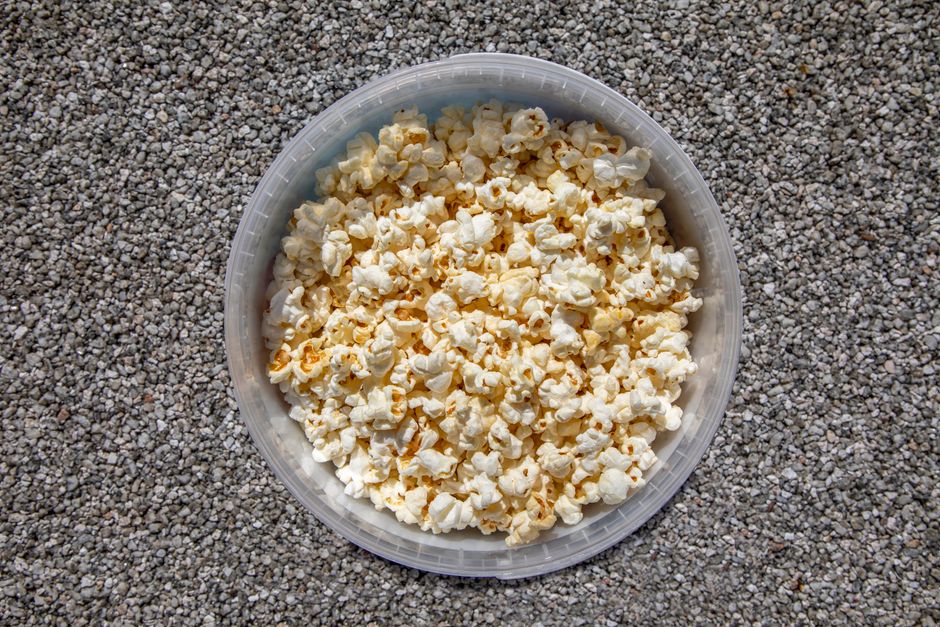
You open a bag of cheese popcorn and suddenly the whole thing is gone. That orange dust on your fingers is a familiar confession for most of us. The real question is whether this snack belongs in a weight loss plan at all.
Is cheese popcorn good for weight loss? Yes, cheese popcorn can fit into a weight loss diet when you control portions, but it is not a free food. A typical serving of cheese popcorn contains roughly 150 to 180 calories per ounce, depending on the brand and how much cheese coating is used. The key is treating it as an occasional snack rather than a daily habit, since the calorie density adds up quickly.
Most people search for snack advice and find either total permission or total restriction. Neither extreme helps you build a sustainable eating pattern. This article breaks down the actual nutrition numbers, what the research says about snacking and weight loss, and how to enjoy cheese popcorn without derailing your progress.
You will also learn how to compare cheese popcorn against other common snacks and spot the brands that are secretly worse than a candy bar. No shame, no hype — just practical guidance you can use today.
Key Points at a Glance
| Point | What It Means | Why It Matters |
|---|---|---|
| Calorie density | Cheese popcorn packs 150–180 calories per ounce | Easy to overeat without noticing portion size |
| Protein content | Only 2–3 grams per serving | Does not keep you full for long compared to other snacks |
| Sodium levels | Often 200–300 mg per ounce | Can add up if you eat multiple servings daily |
| Portion control | Pre-portioned bags help limit intake | Single-serve packaging prevents mindless eating |
| Alternative options | Air-popped popcorn with light seasoning is lower calorie | Gives you the crunch without the extra coating |
What Are the Actual Nutrition Numbers for Cheese Popcorn?
Cheese popcorn starts as air-popped corn, which is genuinely low in calories. The problem is the coating. Cheese powder, oil, salt, and sometimes sugar turn a light snack into something much denser. According to USDA data, one ounce of cheese-flavored popcorn delivers roughly 150 to 180 calories, 9 to 11 grams of fat, and about 15 grams of carbohydrates.
Protein is minimal at 2 to 3 grams per serving, and sodium often reaches 200 to 300 milligrams. Compare that to plain air-popped popcorn, which comes in around 110 calories per ounce with almost no fat. The difference is entirely the cheese flavoring.
I always check the ingredient list before buying. If cheese is not in the first three ingredients, the flavor is likely artificial. Real cheese powder at least adds a small amount of protein and calcium.
Is Cheese Popcorn Good for Weight Loss Compared to Other Snacks?
Is cheese popcorn good for weight loss when you stack it against chips, pretzels, or crackers? It actually performs reasonably well. Potato chips average 160 calories per ounce with similar fat content, and they offer almost no fiber. Cheese popcorn at least retains some fiber from the whole corn kernel, usually 2 to 3 grams per serving.
Pretzels are lower in fat but higher in refined carbohydrates and sodium, which can spike blood sugar quickly. Cheese popcorn sits somewhere in the middle — better than chips, worse than plain popcorn. The real issue is that no processed snack will keep you full as long as protein-rich options like Greek yogurt, nuts, or cheese sticks.
Some research suggests that high-volume, low-calorie-density foods help with satiety. Popcorn fits that category when it is lightly seasoned. The cheese coating reduces the volume-to-calorie ratio, making it easier to overeat.
How Much Cheese Popcorn Can You Eat Without Gaining Weight?
There is no single number that works for everyone, because weight loss depends on your total daily calorie intake. A reasonable starting point is one ounce, which is roughly two cups of popped popcorn. That portion fits into most weight loss plans without pushing you over your daily target.
If you want a larger volume, choose a lightly seasoned brand and measure out two cups into a bowl. Do not eat from the bag — research consistently shows that eating from large packages increases consumption. One study found that people ate up to 50 percent more when snacks came from bigger bags rather than portion-controlled packages.
My rule is simple: one ounce goes in a small bowl, the bag goes back in the cabinet. That single step cuts my snacking in half without any willpower involved.
Which Cheese Popcorn Brands Are Better for Weight Loss?
Brand selection matters more than you might think. Some cheese popcorn products contain partially hydrogenated oils, which are trans fats that raise bad cholesterol. Others use palm oil or sunflower oil, which are less concerning but still calorie-dense.
Look for brands that list popcorn, oil, and cheese powder as the main ingredients. Avoid anything with sugar listed before cheese, since that signals a sweeter, higher-calorie coating. White cheddar varieties often use less artificial coloring but may still contain similar calories. The nutrition label is the only reliable guide — check the serving size and calories per serving rather than trusting marketing claims on the front of the bag.
Some studies indicate that food additives like artificial colors are safe in small amounts, but they offer no nutritional benefit. Choosing a brand with real cheese powder gives you slightly more protein and calcium without extra additives.
When Is the Best Time to Eat Cheese Popcorn for Weight Loss?
Timing matters less than total intake, but there are smart ways to use cheese popcorn. Eating it as an afternoon snack can prevent overeating at dinner if you pair it with something protein-rich. A small handful of almonds with your popcorn adds protein and healthy fat, which slows digestion and keeps you satisfied longer.
Eating cheese popcorn late at night is not inherently bad, but it is easy to consume extra calories when you are distracted by television or your phone. If you snack in the evening, portion it out first and put the bag away. Mindful eating — paying attention to what you are consuming — consistently leads to better portion control in research studies.
One strategy that works well is using cheese popcorn as a crunchy topping for salads or yogurt. You get the flavor and texture with a smaller amount, which reduces your total calorie intake compared to eating it straight from the bag.
What Are Healthier Alternatives to Cheese Popcorn?
If you love the crunch but want to cut calories, plain air-popped popcorn with a light dusting of nutritional yeast is a strong alternative. Nutritional yeast provides a cheesy, savory flavor with only 20 calories per tablespoon and adds B vitamins. You can also experiment with smoked paprika, garlic powder, or a small amount of grated parmesan.
Roasted chickpeas offer a similar crunch with more protein — about 7 grams per half-cup. Edamame, kale chips, and roasted pumpkin seeds are other options that deliver satisfaction without the processed cheese coating. These alternatives generally contain more fiber and protein, which support satiety and steady blood sugar levels.
The evidence is clear that whole foods with minimal processing support weight loss better than packaged snacks. That does not mean cheese popcorn is forbidden — it means you should treat it as an occasional treat rather than a daily staple.
Related Articles
Frequently Asked Questions
Can I eat cheese popcorn every day while dieting?
Yes, but only if you stick to a single serving and account for the calories in your daily total. Daily consumption increases the risk of mindless overeating, so measure portions carefully.
Is cheese popcorn healthier than potato chips?
Cheese popcorn generally has slightly fewer calories and more fiber than potato chips. Both are processed snacks, so neither should be a daily habit.
How many calories are in a full bag of cheese popcorn?
A standard movie-theater size bag can contain 400 to 600 calories or more. Always check the label for serving size and multiply by the number of servings in the bag.
Does cheese popcorn cause bloating?
Some people experience bloating from the sodium and dairy content in cheese popcorn. If you are sensitive to lactose or salt, choose a lighter seasoned variety instead.
Can cheese popcorn help me feel full?
It provides short-term fullness because of its volume, but the effect does not last long. Pairing it with a protein source like nuts or Greek yogurt extends satiety.
Use this TDEE calculator to find your daily calorie target, then decide where cheese popcorn fits into your plan. Knowing your numbers takes the guesswork out of snacking.

The TDEECAL Team writes about nutrition, metabolism, and fat loss the way we built our calculator, with real numbers and no hype. We dig into the research so you don’t have to guess.