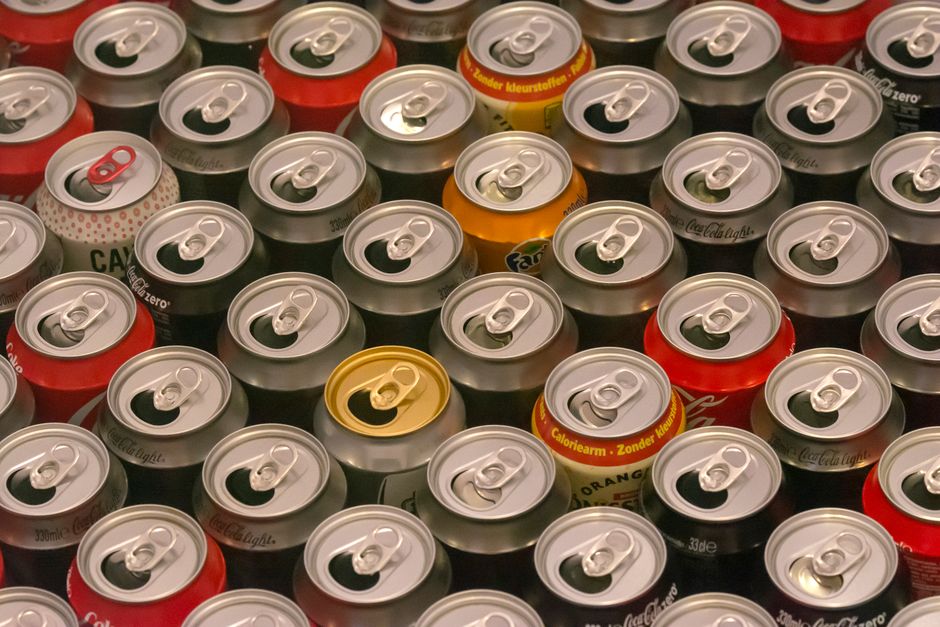
You’ve probably swapped your afternoon soda for a Diet Coke and wondered if you’re actually doing yourself any favors. The answer isn’t as simple as a yes or no, and the research tells a more nuanced story than most headlines suggest.
Is Diet Coke better for weight loss than regular soda? Yes, but only in a narrow sense. A 12-ounce can of Diet Coke contains zero calories, while regular Coke has about 140 calories. Replacing one regular soda per day with a diet version could cut roughly 50,000 calories over a year. But the research on whether diet sodas actually help you lose weight is surprisingly mixed, and swapping one drink won’t fix an otherwise unbalanced diet.
Most people assume the calorie difference settles the debate. It doesn’t. Some studies suggest diet soda drinkers may compensate by eating more calories elsewhere, which could erase any advantage. Other research points to potential effects on hunger hormones and gut bacteria that might work against your goals. This article breaks down what the evidence actually says, what the calorie math looks like in practice, and how to decide whether Diet Coke deserves a place in your weight loss plan.
Key Points at a Glance
| Point | What It Means | Why It Matters |
|---|---|---|
| Calorie difference | Diet Coke has zero calories; regular Coke has about 140 per can | Cutting 140 calories daily adds up to roughly 14 pounds over a year |
| Compensation effect | Some people eat more after drinking diet sodas | Extra calories can cancel out the savings from the drink itself |
| Artificial sweeteners | Research on long-term effects is still limited | No strong evidence confirms they harm weight loss, but results vary |
| Practical role | Diet Coke can help with transition off sugary drinks | It’s a tool, not a solution — overall diet quality matters more |
What Does the Calorie Math Actually Say?
The straightforward part is the calorie comparison. A 12-ounce can of regular Coca-Cola contains roughly 140 calories and 39 grams of sugar. Diet Coke uses aspartame instead of sugar, bringing the calorie count to zero. If you drink two sodas daily and switch both to diet, that’s a 280-calorie daily reduction — the equivalent of about 30 minutes of brisk walking for most women.
But here’s where it gets complicated. Research published in the journal Obesity found that while diet soda drinkers consumed fewer calories from beverages, they didn’t always show better weight outcomes than regular soda drinkers. Some participants appeared to compensate by eating more solid food. In my own experience tracking clients’ food diaries, I’ve seen this pattern repeatedly — someone celebrates their “free” drink with a larger meal portion.
Is Diet Coke Better for Weight Loss When It Comes to Hunger and Cravings?
The evidence on artificial sweeteners and appetite is genuinely mixed. Some studies suggest aspartame may increase hunger signals or alter sweet taste preferences, making naturally sweet foods like fruit seem less satisfying. Other research finds no meaningful effect on appetite or calorie intake. A 2021 review in the British Medical Journal noted that while diet sodas reduced calorie intake compared to sugary drinks, the long-term effects on weight remained unclear.
What’s more certain is the behavioral angle. If diet soda helps you cut sugar without triggering cravings for other sweets, it may support your goals. If it keeps your sweet tooth active, it might work against you. I’ve had clients who successfully used diet soda as a bridge drink during their first month of cutting sugar, then naturally drank less of it as their palate adjusted.
What About the Artificial Sweeteners Themselves?
Aspartame, the sweetener in Diet Coke, is one of the most studied food additives in existence. Regulatory agencies including the FDA have approved it as safe for human consumption at typical intake levels. The World Health Organization classified aspartame as “possibly carcinogenic” in 2023, but this classification reflects limited evidence and does not mean the sweetener causes cancer at normal consumption levels.
For weight loss specifically, no strong clinical evidence currently supports the claim that aspartame directly hinders fat loss. The bigger concern is what diet soda replaces in your routine. If it displaces water, that’s a problem. If it replaces a sugary drink, that’s a win. I always tell clients to drink a full glass of water before pouring their diet soda — it reduces the chance of mistaking thirst for hunger later.
Practical Strategies for Using Diet Coke Without Sabotaging Your Progress
If you decide to keep Diet Coke in your routine, timing and context matter more than the drink itself. Use it as a transition tool rather than a permanent crutch. Set a goal to reduce your intake gradually over several weeks, replacing some diet sodas with sparkling water or unsweetened tea.
Pay attention to what you eat alongside your drink. A diet soda with a balanced meal is different from a diet soda with a bag of chips. Track your total daily calories, not just beverage calories. And if you notice increased cravings or a tendency to overeat after drinking diet soda, that’s your signal to cut back — regardless of what any study says.
What Does the Research Really Conclude?
Some studies indicate that replacing sugary drinks with diet versions leads to modest weight loss over several months. Other research suggests no significant difference between diet soda drinkers and those who stick with water. The most honest summary is this: diet soda can help with weight loss if it reduces your total calorie intake, but it is not a guaranteed tool and may not work for everyone.
Your TDEE calculator can help you see the full picture. Calculate your maintenance calories, then decide whether a daily diet soda fits within your target. For most women aiming to lose weight, one can of Diet Coke per day makes no meaningful difference to progress — but three or four might, especially if they replace water or if they trigger cravings.
Related Articles
Frequently Asked Questions
Does Diet Coke break a fast?
Diet Coke contains no calories, so it does not technically break a fast for weight loss purposes. However, some research suggests artificial sweeteners may trigger an insulin response in some people, which could affect fasting benefits.
How much Diet Coke is safe per day?
The FDA has set an acceptable daily intake for aspartame at 50 milligrams per kilogram of body weight. A 150-pound woman could consume roughly 18 cans of Diet Coke daily and stay within this limit.
Can Diet Coke cause belly fat?
No direct evidence links diet soda to belly fat accumulation. Some observational studies show an association, but this likely reflects other lifestyle factors common among diet soda drinkers.
Is Diet Coke better than water for weight loss?
Water is always the better choice for hydration and overall health. Diet Coke is only “better” than sugary drinks, not better than water.
Does aspartame increase appetite?
The evidence is mixed. Some studies show increased hunger after consuming aspartame, while others find no effect. Results vary significantly between individuals.

The TDEECAL Team writes about nutrition, metabolism, and fat loss the way we built our calculator, with real numbers and no hype. We dig into the research so you don’t have to guess.