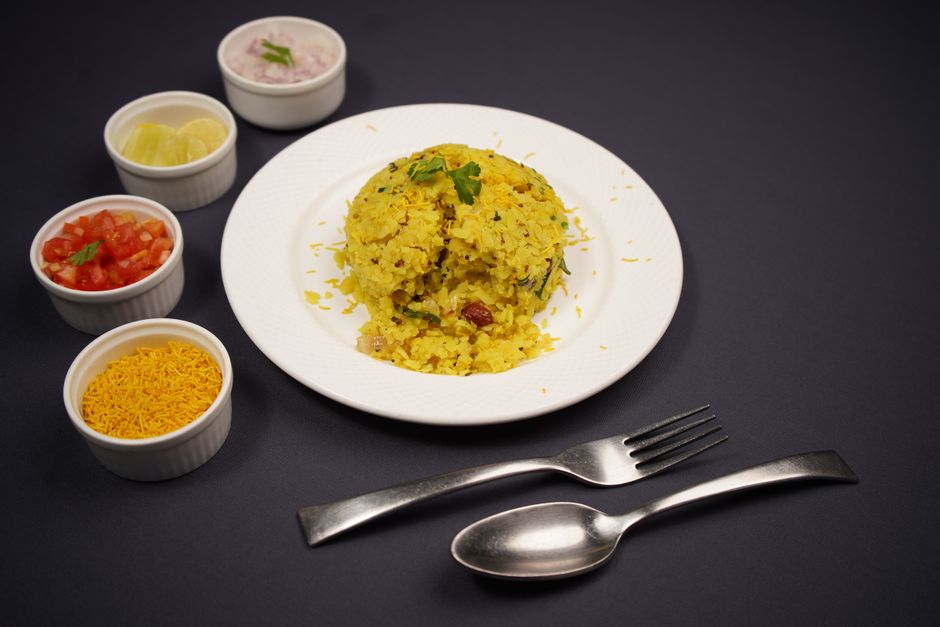
Is Eating Poha Good for Weight Loss?
Poha is a light, flaked rice dish that many Indian households eat for breakfast, and it often shows up in weight loss conversations. The answer depends entirely on how you cook it and what you add to it. Plain poha is relatively low in calories and fat, which makes it a reasonable option for a weight loss diet when prepared thoughtfully. The key is controlling portion size and avoiding heavy additions like excess oil, peanuts, or sugar.
Most people search for this because they want a satisfying breakfast that won’t derail their progress. This article breaks down the actual calorie content, the nutritional profile, and the best ways to prepare poha so it supports your goals rather than working against them.
Key Points at a Glance
| Point | What It Means | Why It Matters |
|---|---|---|
| Calorie content | Plain cooked poha has roughly 150 to 180 calories per cup | It fits into a standard calorie deficit without much effort |
| Fiber and protein | Poha is low in both unless you add vegetables or legumes | Low fiber and protein mean you may feel hungry sooner |
| Preparation method | Oil, peanuts, and sugar can double the calorie count | The dish is only as healthy as what you put in it |
| Glycemic impact | Flattened rice is a refined carbohydrate | It can spike blood sugar if eaten alone in large amounts |
| Portion control | A serving is about one cup cooked, not a full bowl | Oversized portions turn a light meal into a heavy one |
What Is Poha and How Many Calories Does It Have?
Poha is made by parboiling rice, drying it, and then flattening it into thin flakes. This process changes the texture but keeps most of the rice’s carbohydrate content intact. According to USDA data, a cup of cooked poha made with minimal oil contains roughly 150 to 180 calories, depending on the amount of fat and seasonings used.
The nutritional profile is mostly carbohydrates with small amounts of protein and fiber. A typical serving provides around 3 to 4 grams of protein and 1 to 2 grams of fiber. These numbers are modest, which means poha alone is not especially filling compared to oatmeal or eggs.
I always weigh my dry flakes before cooking because it is easy to pour double the portion without noticing. A quarter cup of dry poha flakes expands to about one cup when cooked, and that is the right starting point for most women.
Is Eating Poha Good for Weight Loss in Practice?
Is eating poha good for weight loss depends on the overall meal, not just the poha itself. If you eat a reasonable portion with added vegetables and a source of protein, it can absolutely fit into a weight loss plan. The calories are low enough that it will not blow your daily budget on its own.
The bigger concern is what happens after you eat it. Because poha is low in protein and fiber, you might feel hungry within a couple of hours. Research consistently shows that meals higher in protein and fiber keep you full longer than refined carbohydrates alone.
That does not mean you should avoid poha. It means you should build your plate differently. Add a handful of chopped vegetables like carrots, peas, or bell peppers to increase fiber. Top it with a boiled egg, some Greek yogurt on the side, or a spoonful of roasted chickpeas to add protein.
How to Make Poha More Filling and Lower in Calories
The traditional preparation often starts with a generous amount of oil or ghee for tempering. That alone can add 100 to 150 calories before you even add the poha. Use a teaspoon of oil instead, or use a nonstick pan and a light cooking spray.
Peanuts are a common addition that adds healthy fats but also calories. A small handful is fine, but a generous sprinkle can add 100 calories or more. If you are tracking closely, measure them or skip them entirely and use a different crunch source like cucumbers or toasted seeds in smaller amounts.
Sugar is another hidden calorie source. Many recipes call for a pinch of sugar to balance the flavors. You can skip it or use a small amount of lemon juice and fresh herbs instead. The tartness from lemon plus cilantro and a little green chili gives the dish flavor without empty calories.
What About Blood Sugar and Refined Carbs?
Poha is a refined carbohydrate because the rice is processed before it is flattened. Some research suggests that refined grains can cause quicker blood sugar spikes compared to whole grains. If you eat poha alone on an empty stomach, you may feel a burst of energy followed by a crash a few hours later.
This matters for weight loss because blood sugar swings can trigger cravings and hunger. Pairing poha with protein and fiber slows digestion and smooths out that response. That is why the additions matter more than the poha itself.
If you are managing diabetes or prediabetes, you may need to be more careful with portion size. A smaller serving with plenty of vegetables and a protein source is a better choice than a large bowl of plain poha. Some studies indicate that meal composition affects blood sugar response more than any single food.
How Much Poha Should You Eat for Weight Loss?
A reasonable serving for weight loss is about one cup of cooked poha, which is roughly a quarter cup of dry flakes. That portion provides around 150 to 180 calories and leaves room for additions without pushing the meal past 350 to 400 calories total.
If you are an active woman or have a higher calorie target, you can increase the portion slightly. If you are eating poha as a snack rather than a meal, keep it to half a cup. The key is to fit it into your daily calorie needs rather than treating it as a free food.
I recommend using a food scale for the dry flakes at least once to see what a real serving looks like. Most people are surprised that a quarter cup of dry poha is much smaller than they expected. Once you see it, you can eyeball it more accurately in the future.
Frequently Asked Questions
Related Articles
Is eating poha good for weight loss every day?
Yes, eating poha daily can work if you keep portions controlled and add protein and vegetables. Variety is still important, so rotating it with other whole grains like oats or quinoa is a smart approach.
Can eating poha at night cause weight gain?
Eating poha at night will not cause weight gain by itself unless it pushes you over your daily calorie needs. A light, vegetable-heavy poha dinner can be a perfectly fine choice.
Is poha healthier than rice for losing weight?
Poha and rice are similar in calories per serving, though poha is lighter and easier to portion control. The preparation method matters more than the choice between the two.
How many calories are in a typical plate of poha?
A typical restaurant-style plate with oil, peanuts, and extras can range from 400 to 600 calories. A home-prepared version with minimal oil and added vegetables is closer to 250 to 350 calories.
Does poha have enough protein for weight loss?
No, poha is low in protein with only about 3 to 4 grams per serving. You need to add protein like eggs, yogurt, or legumes to make it a balanced weight loss meal.
Is eating poha good for people with high cholesterol?
Poha itself is low in saturated fat and cholesterol, making it a reasonable choice. The oil and ghee used in cooking are the main concerns, so keep those minimal.
Check your calorie needs with the TDEE Calculator to see how poha fits into your daily target.

The TDEECAL Team writes about nutrition, metabolism, and fat loss the way we built our calculator, with real numbers and no hype. We dig into the research so you don’t have to guess.