Is Grilled Fish Good for Weight Loss?
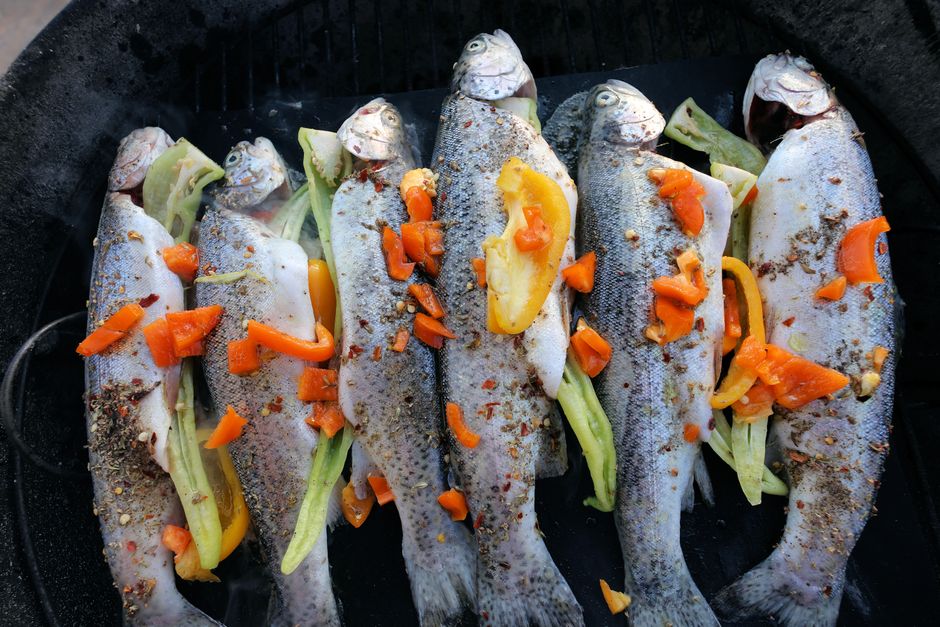
You’ve probably heard fish is healthy, but you might be wondering if it actually helps with weight loss. The short answer is yes, but the details matter more than you might think. So, is grilled fish good for weight loss? Yes, grilled fish is an excellent choice for weight loss because it’s typically high in protein, relatively low in calories, and the grilling process adds flavor without needing heavy sauces or batters. Choosing fish like salmon, cod, or tuna can help you feel full and satisfied while supporting your weight loss efforts.
Many people get stuck in a weight loss plateau, eating the same chicken breast and salad every day. Fish offers a welcome change of pace with a different nutrient profile that supports your metabolism and muscle maintenance. This article covers how grilled fish compares to other proteins, which types are best, and how to prepare it so you actually enjoy eating it.
We’ll also clear up some common confusion about fats in fish, portion sizes, and the difference between grilled, fried, and baked options. You’ll leave with practical, evidence-based answers you can use at your next meal.
I keep a simple lemon-herb marinade in my fridge all week. It makes grilled fish a 15-minute dinner option instead of a special occasion meal.
Key Points at a Glance
| Point | What It Means | Why It Matters |
|---|---|---|
| High protein content | Fish provides 20-25 grams of protein per 3-ounce serving | Protein keeps you full and preserves muscle during weight loss |
| Calorie density | Grilled fish ranges from roughly 120 to 250 calories per serving | Lower calorie density allows larger portions while staying in a deficit |
| Healthy fats | Fatty fish like salmon contain omega-3s | Omega-3s support heart health and may help reduce inflammation |
| Cooking method | Grilling adds flavor without extra calories | No batter or heavy oils means you control what goes on the fish |
How Does Grilled Fish Compare to Other Protein Sources?
Research consistently shows that protein is the most filling macronutrient. Fish holds its own against chicken, beef, and plant proteins when it comes to satiety. A 3-ounce serving of cooked cod has about 90 calories and 20 grams of protein, while the same portion of chicken breast has roughly 140 calories and 26 grams.
Salmon is higher in calories at about 180 per 3 ounces, but those extra calories come with omega-3 fatty acids. Some studies suggest omega-3s may play a role in reducing inflammation, which can indirectly support weight management. The evidence on omega-3s directly causing weight loss is mixed, so think of them as a bonus rather than the main event.
Compared to red meat, fish is generally leaner and lower in saturated fat. That makes it a smart swap if you’re trying to reduce your saturated fat intake while keeping meals satisfying.
I rotate between cod, salmon, and tuna during the week. Each has a different texture and flavor, so I never get bored.
Which Types of Fish Are Best for Weight Loss?
Lean white fish like cod, haddock, and tilapia are the lowest in calories and fat. These are excellent options if you want maximum protein per calorie. Fatty fish like salmon, mackerel, and sardines provide more omega-3s but also more calories per serving.
Both types can fit into a weight loss plan. The best choice depends on your daily calorie target and your personal preference. If you’re at a lower calorie budget, lean fish gives you more volume for fewer calories. If you have room in your budget, fatty fish offers additional health benefits.
Canned tuna and sardines are convenient, budget-friendly options. Just watch the sodium content in canned varieties, and rinse them if you’re watching your salt intake.
How Should You Grill Fish for Weight Loss?
The way you prepare fish matters as much as the fish itself. Grilling is one of the best methods because it requires little to no added fat. A simple seasoning of salt, pepper, lemon, and herbs adds flavor without calories.
Watch out for marinades and sauces that sneak in sugar and oil. A tablespoon of teriyaki sauce adds about 15 calories and 3 grams of sugar. That’s not a dealbreaker, but it adds up if you’re using generous amounts.
Here are some practical grilling tips that keep calories in check:
- Use a fish basket or foil to prevent sticking without needing extra oil
- Season with citrus, garlic, and fresh herbs instead of sugary sauces
- Grill until the fish flakes easily with a fork, usually 4-6 minutes per side
- Pair with a large serving of vegetables to fill your plate without extra calories
I brush my fish with a tiny amount of olive oil, about a teaspoon for the whole fillet. That’s enough to prevent sticking and adds only 40 calories.
How Much Grilled Fish Should You Eat?
A standard serving of fish is 3 to 4 ounces, about the size of a deck of cards or the palm of your hand. For weight loss, most women do well with one serving per meal, which provides 20-25 grams of protein.
If you’re more active or have a higher calorie target, you can eat more. No established clinical guideline limits fish to a specific amount for weight loss, but the American Heart Association recommends eating fish at least twice a week for general health. That’s a reasonable starting point.
Pay attention to how fish fits into your total daily calorie intake. A 3-ounce portion of salmon with a large salad and roasted vegetables makes a satisfying meal around 400-500 calories. That leaves plenty of room for other meals and snacks.
Are There Any Downsides to Eating Grilled Fish?
Some people worry about mercury in fish. Larger predatory fish like shark, swordfish, and king mackerel contain higher mercury levels. For most adults, eating a variety of fish twice a week is considered safe, but the FDA advises pregnant women and young children to avoid high-mercury fish.
Grilling itself can create compounds called heterocyclic amines when meat is cooked at high temperatures. Research on the health effects of these compounds is ongoing, but you can reduce their formation by avoiding charring and trimming any burnt edges.
If you don’t like fish, you don’t have to force it. Other lean proteins like chicken, turkey, and legumes offer similar benefits. Fish is a great option, but it’s not the only path to weight loss.
Related Articles
Frequently Asked Questions
Is grilled fish good for weight loss compared to chicken?
Both are excellent choices, but fish is often lower in calories than chicken for the same protein amount. Grilled fish also provides omega-3s that chicken lacks, which supports overall health.
How many calories are in a typical serving of grilled fish?
A 3-ounce serving of grilled white fish like cod has roughly 90-120 calories. Fatty fish like salmon provides about 180-250 calories for the same portion size.
Can I eat grilled fish every day for weight loss?
Yes, eating fish daily is generally safe for most people. Just vary the types you eat to minimize mercury exposure and keep meals interesting.
Does grilling fish add extra calories?
Grilling itself adds zero calories. The calories come from oils, marinades, and sauces you add before or during cooking.
Is fried fish as good as grilled fish for weight loss?
Fried fish is typically higher in calories because it absorbs cooking oil. Grilling is the better choice if you’re watching your calorie intake.
What sides go well with grilled fish for weight loss?
Steamed vegetables, a fresh salad, or quinoa make excellent sides that add volume without many calories. These options keep your meal balanced and satisfying.
Grilled fish is a practical, evidence-based addition to any weight loss plan. It’s high in protein, versatile, and easy to prepare without extra calories. Try it this week with a simple herb marinade and a big side of vegetables. For a more personalized approach, use our TDEE Calculator to find your daily calorie target and see how grilled fish fits into your plan.

The TDEECAL Team writes about nutrition, metabolism, and fat loss the way we built our calculator, with real numbers and no hype. We dig into the research so you don’t have to guess.