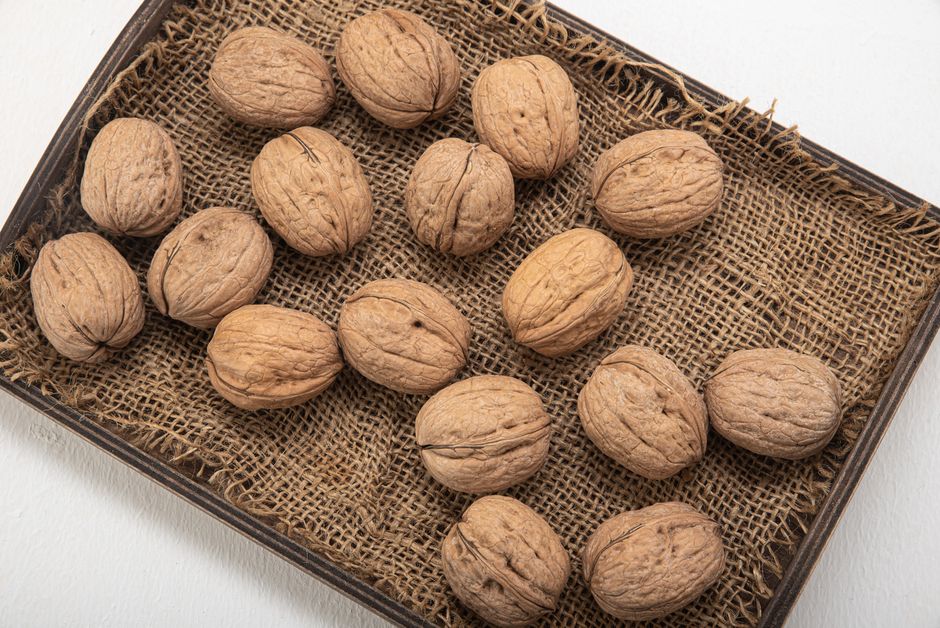
How Many Walnuts to Eat Per Day for Weight Loss
A small handful of walnuts — about 1 ounce or 7 whole walnuts — is the amount most often studied for weight management. That serving contains roughly 185 calories and is enough to provide the healthy fats and fiber that help with fullness. Eating more than that can add calories faster than you might expect, so measuring matters.
Most people trying to lose weight do not need to cut out walnuts. They need to portion them. Walnuts are calorie-dense, but research consistently shows they do not cause weight gain when eaten in moderate amounts. The key is swapping them for less nutritious snacks, not adding them on top of what you already eat.
This article covers the exact serving size, how walnuts affect hunger, and how to fit them into a calorie deficit without guessing. You will also find practical portioning tips and honest answers about common walnut myths.
Key Points at a Glance
| Point | What It Means | Why It Matters |
|---|---|---|
| Daily serving | 1 ounce, about 7 whole walnuts | Provides benefits without excess calories |
| Calorie content | Roughly 185 calories per serving | Easy to overeat if you do not measure |
| Fullness factor | Protein, fiber, and fat slow digestion | Helps you eat less later in the day |
| Weight effect | Moderate intake does not promote gain | Walnuts can fit into most weight loss plans |
What Does the Research Say About Walnuts and Weight?
Studies on nuts and weight loss are surprisingly reassuring. Research published in the American Journal of Clinical Nutrition found that people who ate nuts regularly had lower body weight over time compared to those who avoided them. Walnuts specifically have been studied for their effect on appetite hormones, which help signal fullness to your brain.
Some research suggests that the body does not absorb all the fat from walnuts. A portion of the fat stays trapped in the cell walls of the nut and passes through undigested. This means the actual calorie impact may be slightly lower than the label suggests, though you should still count the full amount for safety.
One lived-in observation from my kitchen: walnuts go rancid quickly and taste bitter when old. Fresh walnuts have a mild, creamy flavor. I always smell mine before using them — if they smell like paint thinner, they are past their prime.
How Many Walnuts to Eat Per Day for Weight Loss: The Serving Size
The serving size that appears in most nutrition research is one ounce, which equals about 7 whole walnuts or 14 halves. That serving provides roughly 185 calories, 18 grams of fat, 4 grams of protein, and 2 grams of fiber. These numbers come from USDA food composition data and hold true for raw, unsalted walnuts.
For weight loss, this serving works best when it replaces another snack of similar calories. Swapping a 200-calorie granola bar for a handful of walnuts gives you more fiber and healthy fat for roughly the same calories. That trade tends to support better appetite control through the afternoon.
If you are using walnuts as a meal addition rather than a snack, you may want less. Sprinkling a tablespoon of chopped walnuts on oatmeal or salad adds crunch for about 45 calories. This smaller amount still provides texture and nutrition without pushing your daily total too high.
Can Walnuts Actually Help You Lose Weight?
Walnuts do not burn fat directly. No food does. But they can support weight loss in two meaningful ways: they increase fullness and they reduce cravings for less nutritious foods.
The combination of protein, fiber, and unsaturated fat in walnuts slows stomach emptying. That means food stays with you longer, and hunger returns more slowly. One study found that participants who ate walnuts as part of a meal reported greater fullness and ate less at the next meal compared to those who did not.
The evidence is not unanimous, though. Some studies show no significant difference in weight loss between walnut eaters and non-eaters. This makes sense — weight loss ultimately depends on total calorie intake. Walnuts are a tool, not a solution.
How to Fit Walnuts Into Your Daily Calorie Budget
The easiest way to include walnuts is to plan for them. Decide where they fit in your day — morning oatmeal, afternoon snack, or dinner salad — and count those calories in your daily total.
A 1-ounce serving of walnuts fits comfortably into a 1,500 to 1,800 calorie weight loss plan. For women following a 1,200-calorie minimum, walnuts still fit but require more careful planning. If you are unsure about your personal calorie needs, a TDEE calculator can give you a starting point based on your age, height, weight, and activity level.
Remember that no established clinical guideline says everyone should eat a specific number of walnuts. The 1-ounce serving comes from nutrition research and general dietary patterns, not a medical mandate. Listen to your body’s fullness signals and adjust accordingly.
Frequently Asked Questions
Related Articles
Are walnuts fattening for weight loss?
Walnuts are calorie-dense, but research shows moderate intake does not cause weight gain. The key is portion control — stick to about 7 walnuts per day.
Should I eat walnuts in the morning or at night?
No strong evidence shows a specific time is better for weight loss. Choose a time when you tend to feel hungry and need a satisfying snack.
Can I eat walnuts every day while dieting?
Yes, daily walnut consumption is fine when portions stay moderate. A consistent 1-ounce serving fits into most weight loss plans without issue.
Do walnuts reduce belly fat specifically?
No food targets belly fat specifically. Walnuts may support overall weight loss, which will reduce belly fat over time as part of total body fat loss.
Are raw walnuts better than roasted for weight loss?
Raw and dry-roasted walnuts have similar calorie counts and nutrition. Avoid walnuts roasted in oil or coated with sugar, as those add extra calories.
How many walnuts equal 100 calories?
About 4 whole walnuts, or 8 halves, provide roughly 100 calories. This smaller portion works well as a topping or a light snack.

The TDEECAL Team writes about nutrition, metabolism, and fat loss the way we built our calculator, with real numbers and no hype. We dig into the research so you don’t have to guess.