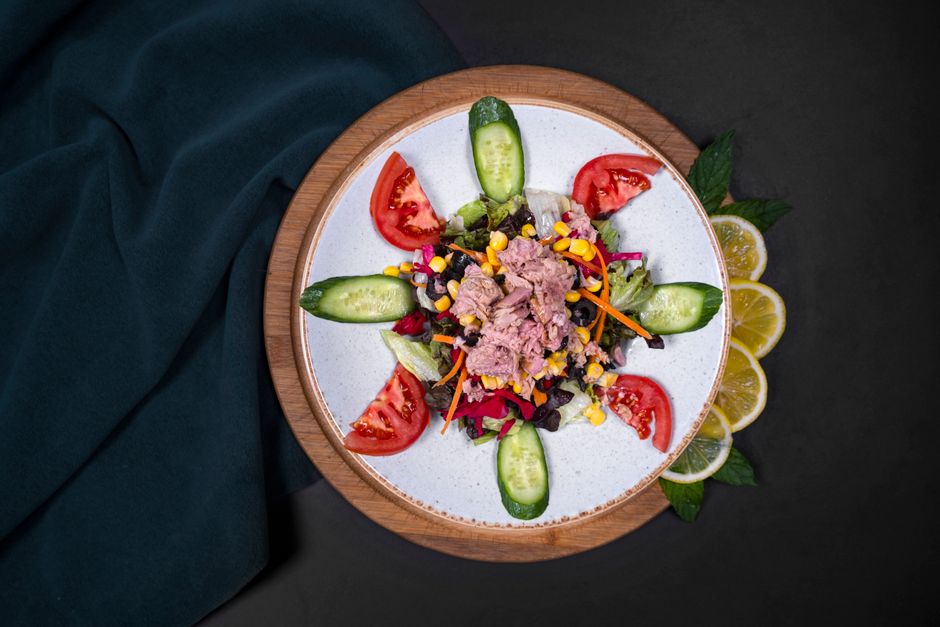
Is Tuna or Chicken Better for Weight Loss?
The short answer is that both tuna and chicken are excellent choices for weight loss, and neither is categorically “better.” The best pick depends on your personal health needs, taste preferences, and how you prepare them.
When you’re trying to lose weight, the goal is to find lean proteins that keep you full without excess calories. Both tuna and chicken fit this bill perfectly, offering high protein for relatively few calories. This article breaks down the nutritional differences, the practical considerations, and the potential pitfalls of each, so you can make the best choice for your own plate.
Many people assume one is a “superfood” and the other is inferior, but the reality is more nuanced. We will look at calories, protein, fat, and important factors like mercury levels in tuna and preparation methods for chicken. By the end, you will have a clear, evidence-based answer to the question of whether tuna or chicken is better for your weight loss journey.
Key Points at a Glance
| Point | What It Means | Why It Matters |
|---|---|---|
| Calories | Both are low-calorie proteins, with chicken breast and canned tuna in water being nearly equal. | Keeping calories in check is fundamental for weight loss. |
| Protein Content | Both provide a substantial amount of protein per serving, which helps with satiety and muscle preservation. | High protein intake helps you feel full and supports a healthy metabolism. |
| Fat Content | Chicken breast is very lean; tuna is also lean but contains beneficial omega-3 fatty acids. | Healthy fats are important, but they also add calories, so portion control matters. |
| Mercury Concerns | Regular consumption of certain types of tuna can lead to mercury buildup. | This is a key safety consideration that may make chicken a more practical daily choice. |
| Versatility | Chicken is a blank canvas for many cooking methods; tuna is often eaten cold and simple. | Variety in your meals helps you stick to a weight loss plan long-term. |
What Are the Nutritional Differences?
Let’s get down to the numbers. A 3-ounce serving of cooked, skinless chicken breast has roughly 140 calories and about 26 grams of protein. The same size serving of canned light tuna packed in water has about 100 calories and 22 grams of protein. These figures can vary slightly by brand, but they are a solid baseline for comparison.
The main nutritional difference is in the fat profile. Chicken breast has about 3 grams of fat, mostly saturated. Tuna is also low in total fat, but it provides a type of polyunsaturated fat called omega-3, which is known for its heart-health benefits. For pure weight loss, this difference is minor, but for overall health, tuna’s omega-3s are a point in its favor.
However, the way you prepare these proteins changes the equation completely. A chicken breast fried in oil or smothered in a creamy sauce will have significantly more calories than a baked one. Similarly, tuna packed in oil has about double the calories of tuna packed in water. The choice of cooking method and added ingredients often matters more than the protein itself.
Is Tuna or Chicken Better for Feeling Full?
Both foods are excellent for satiety—the feeling of fullness that helps you eat less overall. Protein is the most filling macronutrient, and both tuna and chicken are packed with it. Studies have repeatedly shown that high-protein meals reduce hunger hormones and increase feelings of fullness.
The practical difference comes down to how you eat them. A warm, seasoned chicken breast can be a satisfying centerpiece for a meal with vegetables and a whole grain. Canned tuna is often used in salads or sandwiches, which can be just as filling but might be paired with higher-calorie ingredients like mayonnaise.
In my kitchen, I find that a big, flaky piece of chicken breast feels more like a “meal” than a bowl of tuna salad. That mental satisfaction can be a powerful tool for sticking to your calorie goals. But if you are on the go, a pouch of tuna with some whole-grain crackers is a fantastic, quick, and satiating option.
What About Mercury and Safety?
This is where the answer to “is tuna or chicken better” becomes clearer for some people. The main concern with tuna is mercury. Larger fish, like albacore (white) tuna, accumulate more mercury in their bodies. The FDA advises limiting albacore tuna consumption to once a week and canned light tuna to a few times a week.
Chicken has no such concern. You can eat chicken breast every day without worrying about heavy metal buildup. For this reason, many nutrition experts suggest making chicken your primary protein source and enjoying tuna as a regular but not daily option.
This doesn’t mean you should avoid tuna. The benefits of omega-3s are real, and for most people, eating tuna a couple of times a week is a healthy choice. But if you are looking for a protein you can rely on daily without a second thought, chicken is the safer bet.
Which One Should You Choose?
So, is tuna or chicken better for your weight loss plan? The honest answer is that the best choice is the one you will actually enjoy and eat without getting bored. Both are lean, high-quality proteins that support your goals.
Choose chicken if you want a versatile, everyday protein that you can season in endless ways and cook in large batches. Choose tuna when you need a quick, no-cook meal that is incredibly convenient, or when you want to boost your intake of omega-3 fatty acids. You don’t have to pick just one.
A practical approach is to use both. For example, you might have a chicken breast with dinner most nights and a tuna salad for lunch a couple of times a week. This gives you variety, which is key to long-term adherence to any healthy eating pattern.
Frequently Asked Questions
Related Articles
Is tuna or chicken better for building muscle while losing weight?
Both are excellent for building muscle, as they provide complete proteins with all essential amino acids. Chicken breast is slightly higher in protein per calorie, but tuna is also a top-tier choice for muscle preservation.
How much tuna can I safely eat per week?
Health authorities advise limiting albacore (white) tuna to about one 6-ounce serving per week. For canned light tuna, you can safely eat up to two or three servings per week.
Does the way I cook chicken affect its calorie count for weight loss?
Yes, cooking method has a huge impact on calories. Baking, grilling, or poaching chicken keeps it lean, while frying or adding heavy sauces can add hundreds of extra calories.
Is canned tuna in oil or water better for weight loss?
Tuna packed in water is better for weight loss because it has about half the calories of tuna packed in oil. The oil adds significant fat and calories without providing much additional benefit.
Can I eat chicken every day while trying to lose weight?
Yes, chicken breast is a safe and healthy protein to eat daily. It is low in saturated fat and provides no known health risks associated with frequent consumption.
Which is more affordable for a weight loss diet?
Canned tuna is generally more affordable per serving than fresh chicken breast. However, chicken can be bought in bulk and frozen, making it a very economical choice as well.

The TDEECAL Team writes about nutrition, metabolism, and fat loss the way we built our calculator, with real numbers and no hype. We dig into the research so you don’t have to guess.