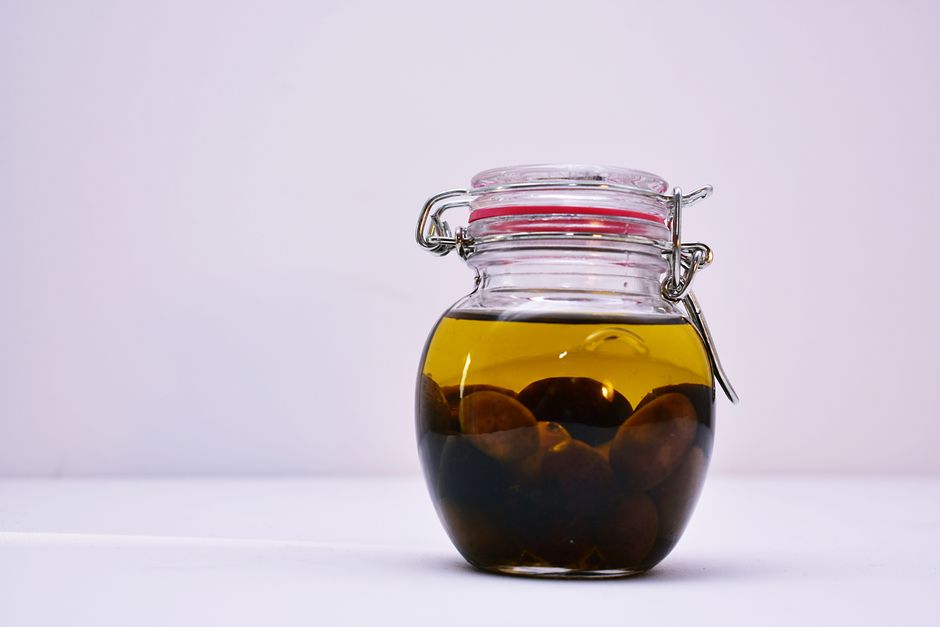
Pouring olive oil straight from the bottle is one of the quickest ways to undo a week of careful eating. A single tablespoon adds about 120 calories, and most people pour double that without thinking. For weight loss, the right amount of olive oil is roughly 1 to 2 tablespoons per day, which provides healthy fats without derailing your calorie deficit. This article breaks down how much olive oil for weight loss actually works, how to measure it accurately, and how to fit it into your daily calorie budget.
Most generic advice tells you olive oil is “healthy” and leaves it there. That misses the real problem: olive oil is still pure fat, and fat is the most calorie-dense nutrient you can eat. You need a specific number, a measuring strategy, and a clear understanding of where it fits in your total daily calories.
The good news is that you don’t have to cut olive oil out completely. Research consistently shows that replacing saturated fats with olive oil improves heart health markers. The key is portion control, not elimination.
Key Points at a Glance
| Point | What It Means | Why It Matters |
|---|---|---|
| Daily limit | 1 to 2 tablespoons per day | Keeps calories in check while preserving health benefits |
| Calorie count | About 120 calories per tablespoon | Two tablespoons equal roughly 240 calories, or 12% of a 2,000-calorie diet |
| Measuring method | Use a measuring spoon, not the bottle | Free-pouring adds 30-50% more oil than intended |
| Best uses | Salad dressings, finishing dishes, low-heat cooking | Preserves flavor and nutrients while controlling portions |
| Weight loss impact | Oil calories count toward your daily total | Even “healthy” fats slow weight loss if you exceed your calorie target |
How Much Olive Oil for Weight Loss Should You Use Daily?
The practical answer is 1 to 2 tablespoons per day, depending on your total calorie target. If you’re eating 1,500 calories daily for weight loss, one tablespoon of olive oil takes up about 8% of your entire budget. Two tablespoons take up 16%. That’s a significant chunk for a food that provides no protein and no fiber.
Some research suggests that Mediterranean-style eating patterns, which include olive oil as the primary fat source, support weight maintenance better than low-fat diets. But those patterns use olive oil to replace other fats, not in addition to them. The oil must fit within your calorie deficit, not on top of it.
I always measure olive oil with an actual measuring spoon before pouring it into the pan. The difference between “a splash” and a true tablespoon is usually 30 to 50 extra calories every single time.
Why Olive Oil Calories Are Easy to Underestimate
Liquid fats are the easiest calories to hide in a meal. A salad that seems light can carry 300 calories of dressing without you noticing. Sauteed vegetables absorb oil into every crevice, making portion estimation nearly impossible.
One study found that people consistently underestimate calories in restaurant meals prepared with oil by 30-40%. The same problem happens at home. When you pour oil directly from the bottle into a hot pan, you have no idea how much actually went in.
This is why the number on the scale stops moving for many women. They’ve cut carbs, added vegetables, and eaten smaller portions, but the oil calories quietly push them over their maintenance level every day.
How to Measure Olive Oil Accurately
Use a measuring spoon for every use, at least for the first few weeks. One level tablespoon of olive oil is about 13.5 grams and roughly 120 calories. A heaping tablespoon can easily reach 150 calories or more.
For cooking, measure the oil into the pan before you turn on the heat. For dressings, measure into a small bowl first, then add vinegar and seasonings. This takes an extra 10 seconds and removes all guesswork.
If you eat out frequently, ask for dressing on the side and use about one tablespoon. Restaurant dressings are almost always heavier on oil than homemade versions.
Which Meals Should Get the Olive Oil?
Prioritize olive oil for meals where it adds the most value. A salad without any fat is less satisfying and may reduce absorption of fat-soluble vitamins like A, D, E, and K. One tablespoon of olive oil in a vinaigrette is enough to support that absorption.
For cooking, use olive oil for quick sautes at medium heat, not deep frying. Frying can absorb two to three times more oil than sauteing, which silently doubles your calorie intake. Roasting vegetables with one tablespoon spread across the whole tray is a better choice than drizzling each portion individually.
Some studies suggest that pairing olive oil with vegetables increases the availability of certain antioxidants. But this benefit does not require large amounts. A single tablespoon delivers the effect without excess calories.
What Happens If You Go Over the Limit?
Going over your olive oil limit occasionally will not derail your progress. Weight loss depends on your weekly average calorie intake, not any single meal. One day at 300 calories over will slow you down slightly, but it won’t erase a week of consistent effort.
The bigger risk is daily overshooting. If you consistently use 3 to 4 tablespoons of olive oil per day, that’s 360 to 480 calories just from oil. Over a week, that adds up to more than half a pound of potential weight loss lost.
Track your oil for one week to see where you actually land. Most women I’ve worked with are surprised to find they’re using double the amount they thought they were.
Frequently Asked Questions
Related Articles
Frequently Asked Questions
Can olive oil help you lose belly fat?
No food specifically targets belly fat, including olive oil. Weight loss from any area depends on maintaining a consistent calorie deficit over time.
Is extra virgin olive oil better than regular olive oil for weight loss?
Extra virgin and regular olive oil have nearly identical calorie counts. Extra virgin has more polyphenols, but the weight loss effect depends on total calories, not the type of oil.
Should I count olive oil calories in my daily total?
Yes, absolutely. Olive oil is one of the most calorie-dense foods you can eat, and skipping it in your tracking can add 300 to 500 unaccounted calories per day.
How much olive oil is too much when trying to lose weight?
More than 2 tablespoons per day is likely too much for most women in a weight loss phase. That equals roughly 240 calories, which is a substantial portion of a daily deficit.
Can I replace butter with olive oil for weight loss?
Replacing butter with olive oil can support weight loss because olive oil has slightly fewer calories per tablespoon and more unsaturated fats. But the difference is small, so portion control still matters.
Does cooking with olive oil destroy its health benefits?
Heating olive oil reduces some polyphenols but does not make it unhealthy. The calorie content stays the same, so your portion control still matters most.
Use the TDEE Calculator to find your exact daily calorie target, then plan your olive oil portions around that number. Knowing your maintenance calories makes it much easier to decide whether one or two tablespoons fits your plan.

The TDEECAL Team writes about nutrition, metabolism, and fat loss the way we built our calculator, with real numbers and no hype. We dig into the research so you don’t have to guess.