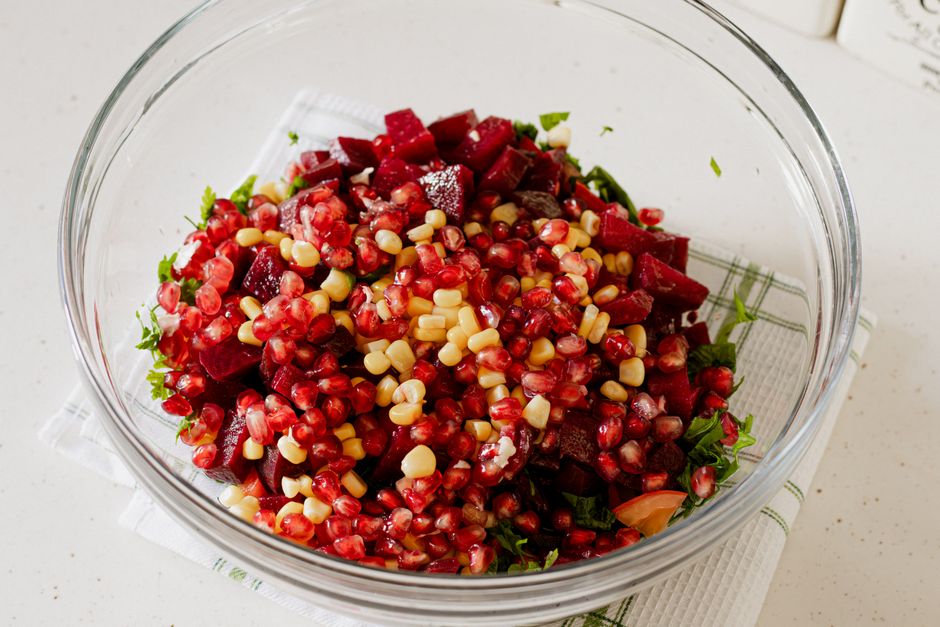
Most people assume any colorful vegetable is automatically good for weight loss, but beets deserve a closer look than the typical “eat your veggies” advice. The truth is beets offer a specific combination of nutrients that can genuinely support weight management, though they are not a magic food.
Are beets good for weight loss? Yes, beets are good for weight loss because they are low in calories, high in water and fiber, and may help with blood sugar control. A half-cup serving of cooked beets has roughly 35 to 40 calories, making them an easy addition to any weight loss plan. They also provide nitrates, which some research suggests may support exercise performance and recovery.
Most weight loss advice focuses on cutting calories or increasing protein, but beets work differently. They help you feel full without adding many calories, and they bring a natural sweetness that can curb sugar cravings. This article covers the actual evidence on beets for weight loss, how to eat them for best results, and what the research does and does not support.
Key Points at a Glance
| Point | What It Means | Why It Matters |
|---|---|---|
| Low calorie density | About 35–40 calories per half-cup cooked | You can eat a filling portion without breaking your calorie budget |
| High fiber content | Roughly 2 grams of fiber per half-cup | Fiber slows digestion and helps you feel full longer |
| Dietary nitrates | Natural compounds that may improve blood flow | Better exercise performance means you can work out harder |
| Blood sugar support | Low glycemic index with modest sugar content | Helps avoid spikes and crashes that trigger hunger |
| Versatile preparation | Roasted, boiled, raw, or juiced | Easy to add to meals without getting bored |
What Does the Research Say About Beets and Weight Loss?
Research consistently shows that vegetables with high water and fiber content support weight management, and beets fit this pattern well. The fiber in beets adds bulk to your diet without adding calories, which helps you feel satisfied after meals. Some studies also indicate that beetroot juice may reduce blood pressure and improve oxygen use during exercise, which could help you exercise longer.
The evidence on nitrates and exercise performance is promising but not overwhelming. A 2017 review in the Journal of the Academy of Nutrition and Dietetics found that beetroot juice can improve time to exhaustion in some athletes, though not all studies agree. For weight loss, the primary benefit likely comes from how beets replace higher-calorie foods in your diet, not from any fat-burning property.
One thing the research does not support is the idea that beets directly burn fat. No food does that. Beets help weight loss indirectly by filling you up, supporting exercise, and making it easier to stay in a calorie deficit. I always keep a batch of roasted beets in the fridge because they make an easy addition to salads or grain bowls when I need something satisfying without much effort.
How Many Calories Are in Beets and What Nutrients Do They Provide?
A half-cup serving of cooked beets contains roughly 35 to 40 calories, about 2 grams of fiber, and nearly 8 grams of carbohydrates. They are also a good source of folate, manganese, and potassium, which support overall health while you manage your weight. Beets are naturally sweet because they contain about 6 to 7 grams of sugar per half-cup, but this is balanced by the fiber that slows sugar absorption.
Compared to other starchy vegetables like potatoes or corn, beets are significantly lower in calories and carbohydrates. A medium baked potato has about 160 calories, while an entire cup of cooked beets has roughly 60 to 75 calories. This makes beets a smart swap when you want something hearty without the calorie load.
Practical tip: Roast beets with a small amount of olive oil and a pinch of salt, then store them in the fridge. They keep for about five days and make meal prep much easier when you are trying to stay on track.
Are Beets Good for Weight Loss When Eaten as Juice?
Beet juice is a different story than whole beets, and the difference matters for weight loss. Juicing removes most of the fiber, which means you lose the fullness benefit and the blood sugar moderation that fiber provides. An 8-ounce glass of beet juice has roughly 100 to 110 calories, and without the fiber, it can spike your blood sugar faster than whole beets.
That said, beet juice still provides nitrates, which may support exercise performance. If you drink beet juice, consider it a pre-workout option rather than a snack, and watch your portion size. Whole beets are the better choice for weight loss because they keep the fiber that helps control appetite.
I have found that mixing a small amount of beet juice with sparkling water and lemon makes a refreshing drink that feels like a treat without the sugar load of commercial juices. Just measure the beet juice first, because it is easy to pour more than you planned.
What Is the Best Way to Eat Beets for Weight Loss?
The best way to eat beets for weight loss is whole, roasted, boiled, or grated raw into salads. These preparations keep the fiber intact and add minimal calories, especially if you use light seasoning instead of heavy sauces. Roasting brings out the natural sweetness and makes the texture tender, which is why many people prefer it over boiled beets.
Beets pair well with other weight loss foods like leafy greens, lean proteins, and whole grains. Try adding roasted beets to a spinach salad with grilled chicken, or grate raw beets into a slaw with vinegar and a small amount of olive oil. Canned beets are also acceptable, but check the label for added sugar or sodium, which can undermine your efforts.
Practical tip: Add a handful of arugula and a few walnuts to your roasted beets. The peppery greens and crunchy texture make the dish feel more like a restaurant meal than a diet food.
How Many Beets Can You Eat Per Day for Weight Loss?
There is no established clinical guideline for how many beets you should eat daily, but one to two servings is a reasonable target for most people. A serving is about half a cup of cooked beets or one medium beet, which provides meaningful fiber and nutrients without excessive sugar. Eating more than two servings per day is not harmful for most people, but it adds carbohydrates and may not be necessary for weight loss.
If you have kidney stones or a history of oxalate-related issues, talk to your doctor before eating beets regularly. Beets are high in oxalates, which can contribute to certain types of kidney stones in susceptible people. For everyone else, beets are a safe and nutritious addition to a weight loss diet.
Related Articles
Frequently Asked Questions
Do beets help you lose belly fat?
No food specifically targets belly fat, and beets are no exception. Beets support overall weight loss, which will eventually reduce belly fat if you maintain a calorie deficit.
Are beets high in sugar?
Beets contain about 6 to 7 grams of sugar per half-cup, which is moderate compared to fruits. The fiber in beets helps slow sugar absorption, making them a reasonable choice for weight loss.
Can you eat beets every day while dieting?
Yes, eating beets daily is safe for most people and can support weight loss. If you have kidney stone risk, check with your doctor due to the oxalate content.
Is beet juice as good as whole beets for weight loss?
Whole beets are better for weight loss because they contain fiber that juice removes. Beet juice still offers nitrates for exercise support but lacks the fullness benefit.
Do beets make you feel full?
Yes, beets provide about 2 grams of fiber per half-cup, which adds bulk and slows digestion. This helps you feel satisfied after meals without many calories.
Are pickled beets good for weight loss?
Pickled beets can be part of a weight loss diet, but check the label for added sugar. Choose varieties with no added sugar to keep the calorie count low.
Beets are a practical, nutrient-dense food that fits well into a weight loss plan, but they work best as part of an overall balanced diet. If you want to track how beets fit into your daily calorie goals, use a TDEE calculator to find your maintenance calories and plan your meals accordingly. Try adding roasted beets to your next salad or grain bowl, and see how they work for you.

The TDEECAL Team writes about nutrition, metabolism, and fat loss the way we built our calculator, with real numbers and no hype. We dig into the research so you don’t have to guess.