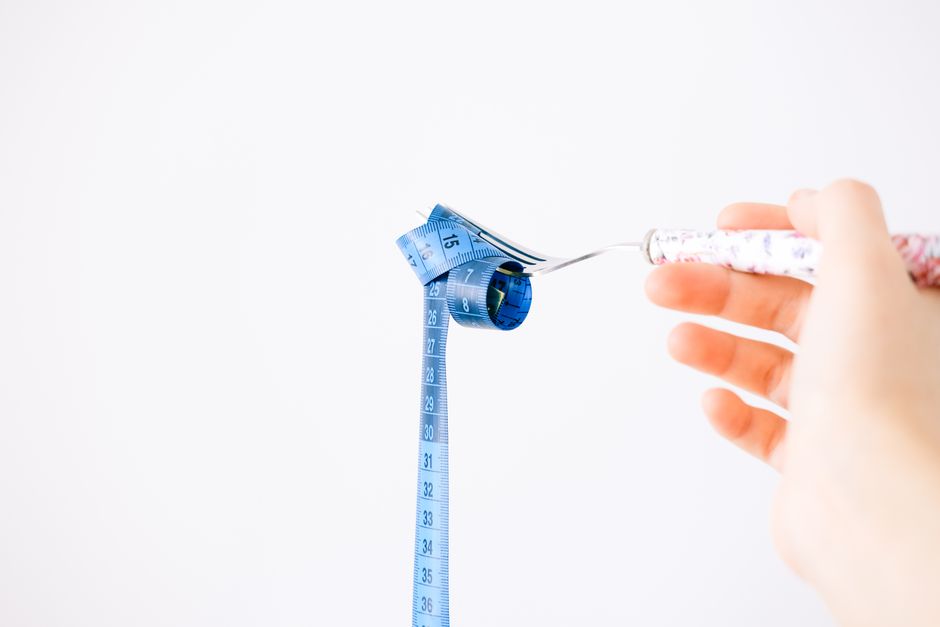
Stepping on the scale can feel like a gamble some mornings. But the number it shows only tells a fraction of your progress story.
To track measurements for weight loss accurately, use a flexible tape measure at consistent body points, take readings at the same time weekly, and log them alongside your weight. This method reveals fat loss that the scale often hides, especially when muscle gain offsets the pounds. You need a simple, repeatable routine that shows true body composition changes.
Most people only weigh themselves and miss the bigger picture. Your waist, hips, and arms can shrink even when the scale doesn’t move. This guide covers the exact spots to measure, how to do it correctly, and how to read the results without getting discouraged.
Key Points at a Glance
| Point | What It Means | Why It Matters |
|---|---|---|
| Consistency | Measure the same spots at the same time weekly | Reduces daily fluid fluctuations that skew results |
| Proper tape placement | Tape sits flat against skin without compressing it | Ensures every reading is comparable to the last |
| Track multiple sites | Waist, hips, chest, arms, and thighs | Shows fat loss even when weight stays steady |
| Record everything | Log numbers in a notebook or app immediately | Prevents memory errors and reveals long-term trends |
| Combine with scale | Use both measurements and weight together | Gives the most complete picture of body changes |
What Body Measurements Should You Take?
Focus on five key areas that respond visibly to fat loss. The waist is the most important because abdominal fat carries the highest health risk. Measure your hips at the widest point around the buttocks, and your chest across the nipple line for men or the fullest part of the bust for women.
Arms and thighs show progress that motivates people when the scale stalls. For arms, wrap the tape around the midpoint between your shoulder and elbow. For thighs, measure at the widest point while standing with feet hip-width apart. I always measure my left arm and left thigh only, since most people have a dominant side that can differ slightly.
How to Track Measurements for Weight Loss Correctly
Use a flexible, non-stretchable tape measure designed for body measurements. A fabric sewing tape works well, but a spring-loaded body tape is easier to handle alone. Stand naturally with your weight evenly distributed, and breathe normally when measuring your waist — do not suck in.
Wrap the tape so it sits flat against your skin without digging in. The tape should be parallel to the floor for most sites, though the waist needs a slight horizontal angle at the narrowest point. Take each measurement twice and use the average if they differ. I always measure in the morning after using the bathroom but before eating or drinking, which keeps my readings consistent.
How Often Should You Measure?
Once per week is the sweet spot for most people. Daily measurements bounce around with water retention, digestion, and hormonal shifts, which creates unnecessary stress. Weekly readings show genuine trends without the noise.
Pick the same day and time each week, preferably first thing in the morning. Some research suggests that body measurements change slowly, so a two-week interval may show more satisfying progress. But weekly data helps you spot problems earlier if your routine slips. The key is sticking to your schedule long enough to see a pattern.
How Should You Interpret the Numbers?
Look for trends over four to eight weeks rather than week-to-week changes. A single measurement can fluctuate by half an inch or more due to bloating or hydration. Real fat loss shows up as a steady downward pattern across multiple readings.
Expect inches to come off faster at the waist early on, then slow down as you lean out. The scale and the tape measure often disagree — you might lose two inches but gain two pounds from muscle. That is a sign your body composition is improving even though the scale looks stuck. If your waist is shrinking but your weight is flat, you are on the right track.
Some studies indicate that waist circumference is a stronger predictor of health risk than weight alone. That means your measurements carry real meaning beyond vanity. I tell readers to focus on how their clothes fit and how their measurements trend, not the daily scale number.
What Mistakes Ruin Measurement Accuracy?
Measuring over clothing is the biggest error people make. Thick fabric adds inches and shifts between sessions, making results meaningless. Always measure bare skin or against thin, fitted undergarments for consistency.
Using the wrong tape is another common problem. Metal construction tapes do not bend around curves, and stretchy fabric tapes give false readings. A non-stretchable vinyl or fiberglass tape is the only reliable tool. Also, measuring at different times of day introduces fluid-related errors — your waist can grow an inch by evening.
Finally, do not measure immediately after a workout. Exercise causes temporary muscle swelling and fluid shifts that inflate readings. Wait at least two hours after training, or better yet, measure on rest days.
Frequently Asked Questions
Related Articles
How long does it take to see changes in body measurements?
Most people see measurable changes within four to six weeks of consistent diet and exercise. Visible changes in photos often appear around the same time or slightly later.
Should I measure in inches or centimeters?
Use whichever unit you are comfortable with, but stick to the same one every time. Mixing units makes it impossible to compare readings accurately.
Can I track measurements without a tape measure?
Yes, but it is less precise. Use a piece of string and mark it with a pen, then measure the string against a ruler. Clothing fit is another useful, though subjective, indicator.
Why is my waist smaller but my weight the same?
You are likely losing fat and gaining muscle at the same time. Muscle is denser than fat, so you can get smaller while staying the same weight.
Do body measurements matter more than the scale?
For tracking fat loss, measurements often give a truer picture. The scale cannot distinguish between fat, muscle, water, and bone, but the tape measure shows actual size changes.
What is the best time of day to take measurements?
First thing in the morning, after using the bathroom and before eating or drinking. Your body is most consistent before daily activities introduce fluid shifts.
Pair your measurements with a TDEE calculator to set accurate calorie targets that support your goals. Tracking your body with a tape measure gives you honest feedback that a scale alone can never provide.

The TDEECAL Team writes about nutrition, metabolism, and fat loss the way we built our calculator, with real numbers and no hype. We dig into the research so you don’t have to guess.