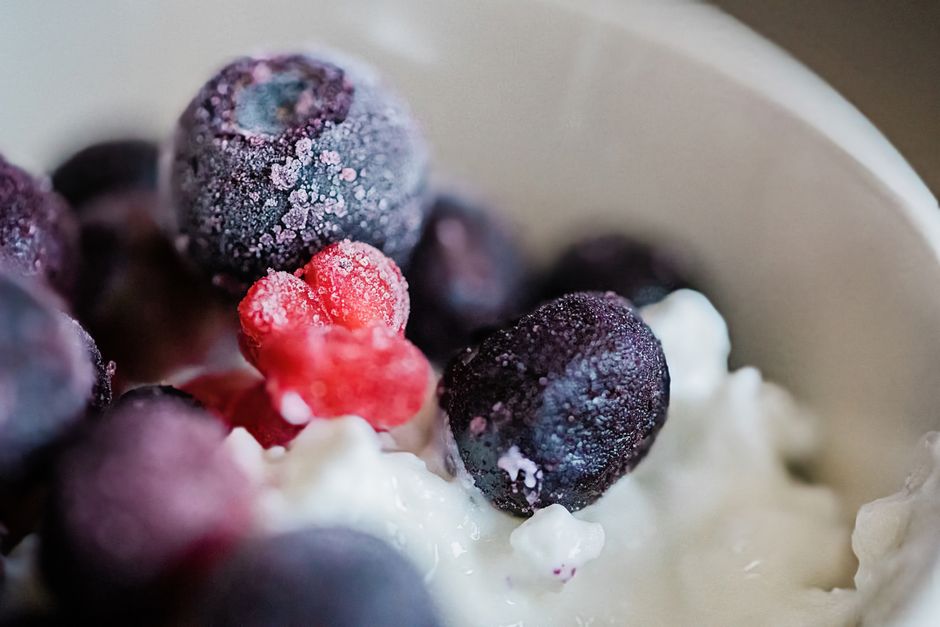
Are Frozen Fruits Healthy for Weight Loss? The Direct Answer
Frozen fruits are healthy for weight loss because they retain most of their fiber and nutrients while offering portion control without added sugars. The quick-freezing process locks in vitamins at peak ripeness, often making them nutritionally comparable to fresh. For weight management, the answer is yes—as long as you choose plain frozen fruit without added syrups or sweeteners. This article covers what the evidence says, how to pick the right products, and practical ways to use them.
Most people assume fresh is always better. That assumption misses how freezing actually preserves nutrients. Studies consistently show frozen berries, mango, and peaches hold onto vitamin C and antioxidants as well as fresh produce stored for a few days. The real question is what else gets added during processing.
Key Points at a Glance
| Point | What It Means | Why It Matters |
|---|---|---|
| Nutrient retention | Frozen fruit is picked ripe and flash-frozen within hours | Often more nutritious than “fresh” fruit that traveled for days |
| Added sugar risk | Some frozen fruit packs contain syrup or sweetener | Added sugar adds calories and defeats weight loss goals |
| Portion control | Frozen pieces are easy to measure without waste | Helps you stay accurate with calorie tracking |
| Fiber content | Freezing preserves the fiber structure of whole fruit | Fiber supports fullness and steady blood sugar |
| Cost and convenience | Frozen fruit is cheaper and lasts months | Removes the excuse of spoiled produce |
Are Frozen Fruits Healthy for Weight Loss Compared to Fresh?
The short answer is yes, they measure up. Research published in the Journal of Agricultural and Food Chemistry found that frozen blueberries and strawberries retained higher levels of certain antioxidants than fresh ones stored in the fridge for several days. The freezing process itself does not destroy fiber or most vitamins. What matters more is how the fruit was handled before freezing.
Fresh fruit loses nutrients slowly after harvest. By the time it reaches your kitchen, it may have lost a meaningful share of vitamin C. Frozen fruit is processed at the peak of ripeness, locking in that nutritional snapshot. For weight loss, the practical difference is small—both are excellent choices. The bigger factor is whether you eat them at all.
What to Look For on the Label
The ingredient list tells you everything. Plain frozen fruit should have exactly one ingredient: the fruit itself. Any mention of syrup, sugar, or fruit juice concentrate means extra calories you do not need. Some brands add ascorbic acid to preserve color—that is vitamin C and perfectly fine.
I always check the bag before buying. A bag labeled “lightly sweetened” still adds about 30 to 40 calories per serving from sugar. Over a week of daily smoothies, that is an extra 200 calories you could have spent on actual food.
How Frozen Fruit Fits Into a Weight Loss Diet
Frozen fruit works well as a sweet substitute in meals and snacks. Blend it into smoothies, warm it into oatmeal, or eat it thawed with plain Greek yogurt. The fiber and water content help you feel full without adding many calories. A cup of frozen berries has roughly 70 to 85 calories depending on the type.
The evidence on fruit and weight loss is consistent. Studies show that replacing high-calorie snacks with fruit reduces total daily calorie intake. Frozen fruit makes this easier because it is always ready. No washing, no cutting, no worrying about spoilage.
Common Mistakes People Make With Frozen Fruit
The biggest mistake is assuming all frozen fruit is equal. Bags with added sugar or syrup are common, especially for peaches and mango. Read the label every time, even if you bought the same brand before—recipes change.
Another mistake is eating frozen fruit straight from the bag as a snack without measuring. A serving is about one cup, but it is easy to eat three cups of frozen cherries while watching TV. That is still healthier than chips, but the calories add up. Track it like any other food.
How to Use Frozen Fruit for Weight Loss Success
Start simple. Add a half cup of frozen berries to your morning oatmeal or yogurt. Blend a cup of frozen mango into a smoothie with spinach and unsweetened almond milk. These small swaps replace added sugar with natural sweetness and fiber.
Meal prep gets easier with frozen fruit. Portion it into small bags for smoothies, or keep a container in the fridge that thaws overnight for a quick dessert. The convenience factor is real—you are more likely to eat fruit when it is already washed and cut.
Frequently Asked Questions
Related Articles
Does freezing destroy the nutrients in fruit?
No. Freezing preserves most vitamins and fiber. Some vitamin C loss occurs during processing, but frozen fruit generally matches fresh fruit stored for a few days.
Is frozen fruit with added sugar bad for weight loss?
Yes, added sugar adds empty calories that work against your goals. Always check the ingredient list and choose fruit with no added sweeteners.
Can I eat frozen fruit every day while losing weight?
Yes. A cup or two of plain frozen fruit daily fits easily into a weight loss plan. The fiber and water content support fullness and steady energy.
Are frozen fruits healthy for weight loss compared to canned fruit?
Frozen fruit is usually healthier than canned because it has no added syrup. Canned fruit in juice or light syrup has more sugar and fewer nutrients.
How many calories are in a serving of frozen fruit?
Most plain frozen fruits range from 60 to 90 calories per cup. Berries are on the lower end, while mango and pineapple are slightly higher.
Should I thaw frozen fruit before eating it?
That depends on preference. Thawed fruit works well in yogurt or oatmeal. Frozen pieces blend better in smoothies and make a cold snack.
Frozen fruit is a practical, evidence-backed tool for weight loss. It delivers fiber and nutrients without the cost or waste of fresh produce. The key is choosing plain varieties and measuring portions like any other food. Use our TDEE Calculator to find your maintenance calories, then plan how frozen fruit fits into your daily target.

The TDEECAL Team writes about nutrition, metabolism, and fat loss the way we built our calculator, with real numbers and no hype. We dig into the research so you don’t have to guess.