Most people assume all sweet potatoes are the same, but Japanese sweet potatoes have a distinct nutritional profile that changes how they affect your appetite and blood sugar. The short answer is yes — are Japanese sweet potatoes good for weight loss? Yes, they can be, when eaten as part of a balanced diet. Their combination of fiber, resistant starch, and steady energy release makes them a genuinely useful food for weight management, though portion size still matters.
Weight loss comes down to eating fewer calories than you burn. But the type of carbohydrate you choose influences how hungry you feel between meals, which is where Japanese sweet potatoes stand out. This article covers the specific nutritional data, how they compare to regular potatoes, and practical ways to include them without derailing your calorie goals.
Most generic advice treats all carbs the same, which is unhelpful. Japanese sweet potatoes behave differently in the body than white rice or bread, and understanding that difference is what makes them work for weight loss rather than against it.
Key Points at a Glance
| Point | What It Means | Why It Matters |
|---|---|---|
| Fiber content | About 3 grams per medium potato | Keeps you full longer and slows digestion |
| Resistant starch | Forms when cooked then cooled | Feeds gut bacteria and reduces calorie absorption |
| Glycemic response | Lower than white potatoes | Steadier blood sugar means fewer cravings |
| Calorie density | Roughly 110–130 calories per medium potato | Fits easily into most weight loss calorie budgets |
| Volume | High water and air content when baked | Fills your plate without filling your calorie count |
Are Japanese Sweet Potatoes Good for Weight Loss Compared to Other Carbs?
Japanese sweet potatoes have a lower glycemic index than regular white potatoes. That means your blood sugar rises more slowly after eating them, which reduces the insulin spike that often leads to mid-afternoon crashes and hunger. Research consistently shows that lower glycemic foods help with appetite control, though the effect varies from person to person.
A medium Japanese sweet potato contains roughly 110 to 130 calories depending on size and preparation. That is comparable to a medium white potato, but the fiber content — about 3 grams — is meaningfully higher. Fiber slows stomach emptying, so you feel satisfied longer after a smaller portion.
I always bake mine whole and let them cool for ten minutes before eating. The cooling process increases resistant starch, which some studies suggest reduces the number of calories your body actually absorbs from the potato.
How Many Calories Are in Japanese Sweet Potatoes?
A medium Japanese sweet potato, about 130 grams, contains approximately 110 to 130 calories. The exact number varies with size and cooking method. Boiling adds no calories, while roasting with oil adds roughly 40 calories per teaspoon of oil used.
For most women aiming to lose weight, a single medium potato fits comfortably into a 1,400 to 1,600 calorie daily budget. The key is treating it as your carbohydrate portion for that meal, not adding it on top of rice or bread. One medium potato is roughly the size of your closed fist.
Baking or steaming preserves the most nutrients. Frying dramatically increases calories, sometimes doubling or tripling the total, so preparation method matters as much as the potato itself.
What Makes Japanese Sweet Potatoes Different From Regular Sweet Potatoes?
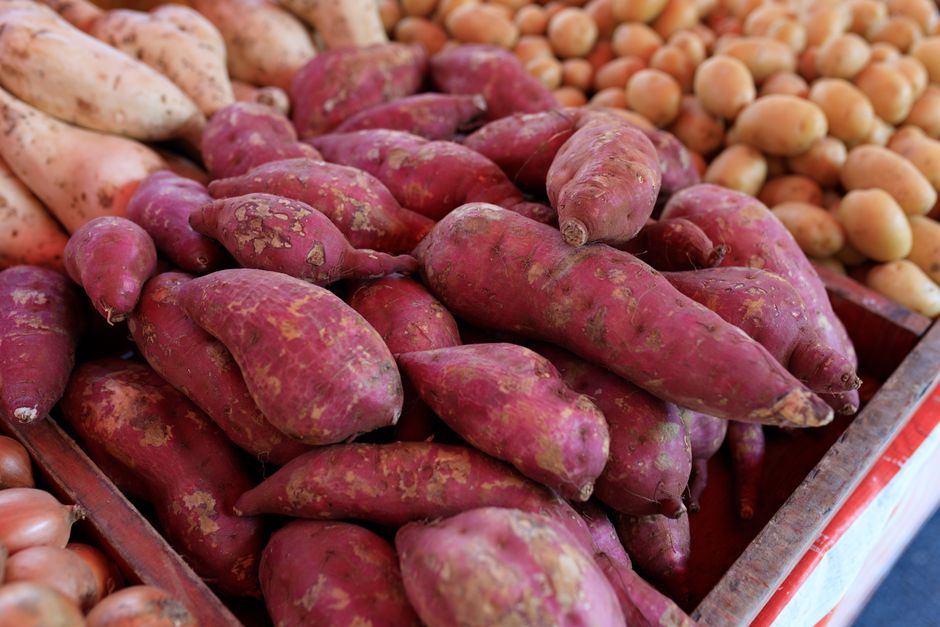
Japanese sweet potatoes have purple skin and pale yellow flesh, unlike the orange varieties common in American grocery stores. The texture is drier and starchier, which some people find more satisfying because it feels more substantial. The flavor is mildly sweet, with nutty undertones that develop during roasting.
The nutritional differences are modest but meaningful. Japanese sweet potatoes are slightly lower in sugar than orange sweet potatoes and contain more resistant starch when cooked and cooled. Both types are excellent choices for weight loss; the Japanese variety simply offers a different texture and flavor profile that some people prefer.
One thing I notice in my own kitchen is that Japanese sweet potatoes hold their shape better when cooked. That makes them easier to portion control — you can see exactly how much you are eating rather than it mashing into everything on your plate.
How to Eat Japanese Sweet Potatoes for Weight Loss
Portion size is the single most important factor. One medium potato per meal is reasonable for most women, but your individual calorie needs depend on your age, activity level, and current weight. Use a calorie calculator to determine your specific daily target rather than guessing.
Pair Japanese sweet potatoes with protein and vegetables. A balanced plate might include a fist-sized portion of the potato, a palm-sized portion of chicken or fish, and two fist-sized portions of non-starchy vegetables. This combination keeps blood sugar steady and prevents the overeating that often follows carb-heavy meals.
Roasting brings out the natural sweetness without added sugar. I drizzle a tiny amount of olive oil, sprinkle cinnamon, and roast at 400 degrees for about 40 minutes. The cinnamon adds flavor without calories and some research suggests it may help with blood sugar control, though the evidence is mixed.
Frequently Asked Questions
Related Articles
Are Japanese sweet potatoes good for weight loss?
Yes, they can support weight loss when eaten in appropriate portions. Their fiber and resistant starch content help control appetite and steady blood sugar.
How many calories are in a Japanese sweet potato?
A medium Japanese sweet potato contains roughly 110 to 130 calories depending on size and cooking method. Baking or steaming keeps calories low, while frying adds significant calories from oil.
Are Japanese sweet potatoes better than white potatoes for weight loss?
Japanese sweet potatoes have a slightly lower glycemic index and more fiber than white potatoes. Both can fit into a weight loss diet, but the sweet potato may keep you fuller longer.
Can I eat Japanese sweet potatoes every day while losing weight?
Yes, daily consumption is fine as long as portions fit your calorie target. Variety in your diet is still important for getting a wide range of nutrients.
Do Japanese sweet potatoes spike blood sugar?
They raise blood sugar less dramatically than white potatoes or refined grains. Cooking then cooling increases resistant starch, which further blunts the blood sugar response.
What is the best way to cook Japanese sweet potatoes for weight loss?
Baking, steaming, or boiling are the best methods because they add no extra calories. Roasting with a small amount of oil is also fine if you measure the oil carefully.
Use our TDEE calculator to find your exact daily calorie needs for weight loss. This takes the guesswork out of portion sizes and helps you plan meals that actually work for your body.

The TDEECAL Team writes about nutrition, metabolism, and fat loss the way we built our calculator, with real numbers and no hype. We dig into the research so you don’t have to guess.