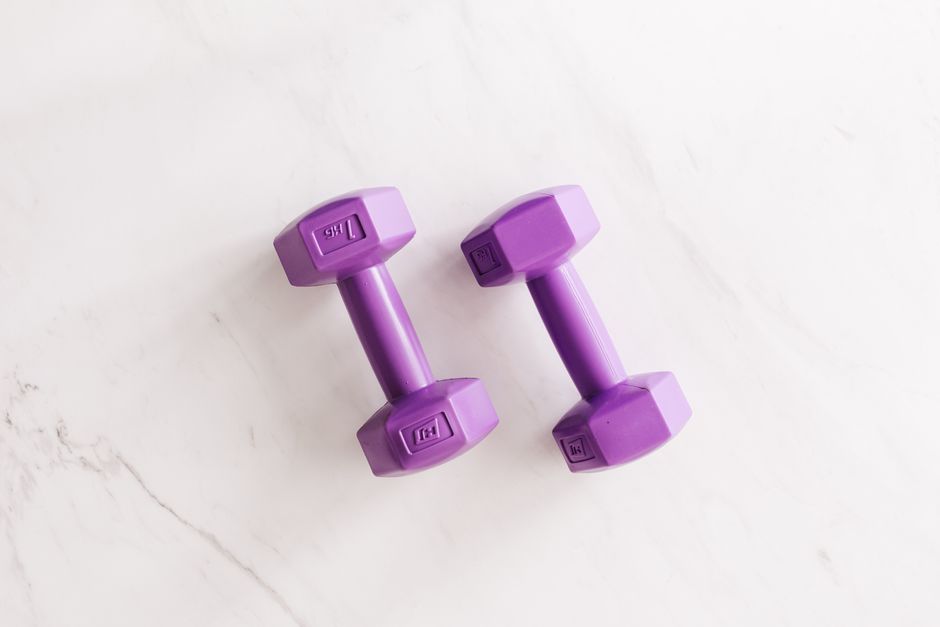
Are Light Weights Good for Weight Loss?
Most people assume heavy weights are the only path to fat loss, but that’s not the full story. Yes, light weights are good for weight loss when you use them strategically, particularly for building endurance and burning calories. The key is that light weights build muscle less efficiently than heavy ones, so your results depend on how you structure your workouts, not just which dumbbells you grab.
Weight loss ultimately comes down to burning more calories than you consume, and your TDEE calculator can help you find that number. But the type of weight you lift affects how your body responds. Light weights allow for higher repetitions, which improves muscular endurance and keeps your heart rate elevated during a session.
Most generic advice tells you to lift heavy or go home. This article covers what light weights actually do for fat loss, how to make them work harder, and when you might need to increase the load. You will get practical guidance based on exercise science, not fitness influencer hype.
Key Points at a Glance
| Point | What It Means | Why It Matters |
|---|---|---|
| Muscle Building | Light weights build less muscle than heavy weights | Muscle burns calories at rest, so less muscle means a slightly lower daily burn |
| Calorie Burn | High reps with light weights keep heart rate up | You can burn comparable calories per session with less joint strain |
| Progressive Overload | You must increase reps or sets over time | Without progression, your body adapts and results stall |
| Beginner Friendly | Light weights allow proper form and lower injury risk | Consistency beats intensity for long-term fat loss |
How Do Light Weights Compare to Heavy Weights for Fat Loss?
Research consistently shows that both light and heavy weights can support weight loss when combined with a calorie deficit. Some studies indicate that lifting to fatigue with light weights produces similar muscle growth to heavy weights in beginners, though heavy loads remain more efficient for advanced lifters.
The real difference comes down to energy expenditure. Heavy lifting burns more calories during the session itself, but light weight workouts allow you to move faster and do more total work. A circuit with light dumbbells keeps your heart rate in a fat-burning zone while also building strength.
I have trained clients who swear by their 5-pound dumbbells. The ones who succeed treat those weights seriously, moving with intention and minimal rest between sets. The ones who fail treat them like a casual wave at the gym.
What Is the Best Way to Use Light Weights for Weight Loss?
The most effective approach is high-repetition training with short rest periods. Aim for 15 to 25 repetitions per set, keeping rest under 60 seconds. This keeps your heart rate elevated and maximizes calorie burn during the workout.
Focus on compound movements that engage multiple muscle groups. Squats, lunges, overhead presses, rows, and deadlifts with light weights still recruit large muscle mass. Isolation exercises like bicep curls burn fewer calories and matter less for fat loss.
Progressive overload remains essential. Add one more rep each week, or increase your set count. When you can complete 25 clean reps with perfect form, it is time to move up in weight.
Can Light Weights Build Enough Muscle to Boost Metabolism?
Some studies suggest that training to muscular failure with light weights can stimulate muscle growth comparable to heavy weights, especially in untrained individuals. The catch is that you must push each set close to failure, which requires real effort and discipline.
For most women over 35, light weights can maintain existing muscle while supporting fat loss. This matters because muscle tissue burns about 6 calories per pound per day at rest. Losing muscle slows your metabolism, making weight loss harder over time.
The evidence is mixed on whether light weights alone can significantly increase muscle mass in experienced lifters. If you have been training for years, you will likely need heavier loads to trigger new growth. But for beginners, light weights are a legitimate starting point.
How Often Should You Train with Light Weights?
Three to four sessions per week is a solid target for weight loss with light weights. This frequency allows adequate recovery while providing enough total volume to stimulate your muscles and burn calories consistently.
Each session should last 30 to 45 minutes. Anything shorter may not provide enough stimulus, and anything longer risks poor form from fatigue. A typical session includes 5 to 6 exercises, each performed for 3 sets.
Remember that weight training alone rarely produces significant fat loss. Pair your strength sessions with a calorie deficit and regular walking or cardio for the best results. Your TDEE calculator can help you set that calorie target accurately.
Frequently Asked Questions
Related Articles
Are light weights good for weight loss if I never increase the weight?
You can lose weight with the same light weights as long as you increase reps or sets over time. Without progressive overload, your body adapts and your results will plateau.
How many repetitions should I do with light weights?
Aim for 15 to 25 repetitions per set with short rest periods under 60 seconds. This range keeps your heart rate elevated and maximizes calorie burn during the workout.
Can light weights tone my arms without bulking them up?
Light weights with higher repetitions build muscular endurance and can firm up your arms without significant size gains. Visible muscle growth requires heavier loads and a calorie surplus, which most women do not accidentally achieve.
Are light weights better than cardio for weight loss?
Both are effective, but they work differently. Cardio burns more calories during the session, while light weight training helps preserve muscle, which supports a healthier metabolism long term.
What weight should a beginner woman start with?
Most women starting out do well with 5 to 10 pound dumbbells for upper body exercises and 10 to 15 pounds for lower body movements. Choose a weight that allows you to complete 15 reps with good form but feels challenging by the last few reps.
How long until I see results from light weight training?
Most people notice improved energy and muscle tone within 4 to 6 weeks of consistent training. Visible fat loss depends more on your diet and overall calorie deficit than on your workout routine.

The TDEECAL Team writes about nutrition, metabolism, and fat loss the way we built our calculator, with real numbers and no hype. We dig into the research so you don’t have to guess.