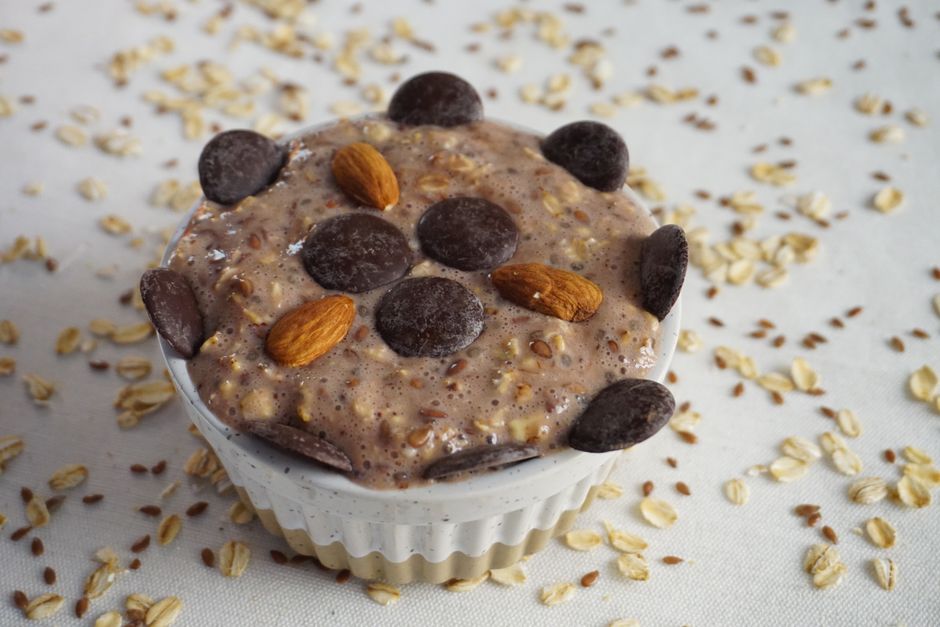
Many women find themselves staring into the fridge at 10 p.m., wondering if that jar of oats is actually helping their waistline or just adding calories they don’t need. The honest answer is that overnight oats can support weight loss, but only when you build them with the right ratios of protein, fiber, and healthy fats — and most store-bought recipes get this wrong.
Overnight oats can be a useful tool for weight loss when made with a 1:1 ratio of oats to liquid, at least 15 grams of protein, and no more than 10 grams of added sugar. The key is that the fiber and protein together keep you full for hours, which helps you eat less later in the day. But if you load them with nut butters, sweeteners, and full-fat dairy, you can easily end up with a 600-calorie breakfast that works against your goals.
This article covers what the evidence actually says about overnight oats weight loss, how to build a jar that keeps you satisfied, and the common mistakes that turn a healthy breakfast into a calorie bomb. I have tested dozens of combinations over the years, and I will share what I have found to work best.
Key Points at a Glance
| Point | What It Means | Why It Matters |
|---|---|---|
| Fiber content | One serving provides 4–5 grams of fiber | Fiber slows digestion and keeps you full longer |
| Protein balance | Add Greek yogurt or protein powder to reach 15–20 grams | Protein reduces hunger hormones and cravings |
| Portion control | Stick to 1/2 cup dry oats per serving | Easy to overeat if you eyeball the ingredients |
| Sugar trap | Many recipes add 2–3 tablespoons of honey or maple syrup | That adds 100–150 empty calories before toppings |
| Prep convenience | Make 3–4 jars at once for grab-and-go breakfasts | Reduces decision fatigue and impulse eating |
Do Overnight Oats Actually Help With Weight Loss?
The short answer is yes, but with a clear caveat. A standard serving of overnight oats made with rolled oats, milk, and Greek yogurt provides around 300–350 calories, 15–20 grams of protein, and 5–7 grams of fiber. That combination has been shown in studies to increase satiety and reduce overall daily calorie intake compared to low-protein, low-fiber breakfasts like cereal or toast.
What matters most is what you add. A tablespoon of chia seeds adds fiber and omega-3s, but a quarter cup of almond butter adds 200 calories with minimal protein. I always measure my nut butter with a spoon rather than pouring — it makes a real difference in keeping calories in check.
How Many Calories Are in Overnight Oats?
A basic recipe with 1/2 cup rolled oats, 1/2 cup unsweetened almond milk, and 1/2 cup plain Greek yogurt comes to about 290 calories. That is a reasonable breakfast for most women aiming to lose weight, especially if you eat it around 7 a.m. and do not snack until lunch.
But calories climb fast with add-ins. One tablespoon of honey adds 60 calories. Two tablespoons of peanut butter add 190 calories. A handful of dried fruit adds another 100. A “healthy” jar can easily hit 500 calories before you realize it. Check your recipe against your daily calorie target using a TDEE calculator to see if it fits your plan.
My rule of thumb: Keep overnight oats under 350 calories if you eat them as breakfast. Save the higher-calorie versions for post-workout meals when your body needs the extra energy.
What Is the Best Ratio for Weight Loss Overnight Oats?
The ideal ratio for weight loss is 1 part oats, 1 part liquid, and 1 part protein source. That means 1/2 cup oats, 1/2 cup milk or yogurt, and 1/2 cup Greek yogurt or one scoop of protein powder. This keeps the calorie count around 300–350 while delivering enough protein and fiber to keep you full for 4–5 hours.
Add a tablespoon of chia or flax seeds for extra fiber without many calories. Skip the honey or maple syrup entirely — use a mashed banana or a few berries for sweetness instead. I switched to this method six months ago and found I stopped craving mid-morning snacks almost immediately.
Can You Eat Overnight Oats Every Day?
Yes, you can eat overnight oats every day as part of a weight loss plan, provided you vary your toppings and watch your overall calorie intake. The fiber and protein profile is consistent, which helps with hunger management. But eating the same thing daily can lead to boredom, which sometimes triggers late-night snacking.
Rotate your fruit choices and protein sources. Use Greek yogurt one week, cottage cheese the next. Swap almond milk for oat milk or cow’s milk. Small changes keep your palate interested without derailing your calorie goals.
What Are the Biggest Mistakes People Make?
The most common mistake is adding too many high-calorie toppings without tracking them. A tablespoon of honey, a handful of walnuts, and a scoop of peanut butter can add 300 calories to a base that was already 290. That turns a 290-calorie breakfast into a 590-calorie meal, which is too much for most women trying to lose weight.
Another mistake is using sweetened plant milks. Vanilla almond milk often has 7–10 grams of added sugar per cup, which adds up fast. Stick to unsweetened versions and add sweetness with fruit instead. I learned this the hard way after wondering why my “healthy” breakfast was making me crave sugar by 10 a.m.
Frequently Asked Questions
Related Articles
Can I lose weight eating overnight oats every morning?
Yes, if your overnight oats fit within your daily calorie deficit and provide enough protein and fiber to keep you full. The key is portion control and avoiding high-calorie add-ins.
Are overnight oats better for weight loss than cooked oats?
There is no significant difference in weight loss outcomes between overnight oats and cooked oats. The benefit of overnight oats is convenience, which helps you stick to a healthy breakfast routine.
How much protein should I add to overnight oats for weight loss?
Aim for at least 15 grams of protein per serving, which you can get from Greek yogurt, cottage cheese, or a scoop of protein powder. This amount has been shown to reduce hunger more effectively than lower-protein breakfasts.
Do overnight oats cause bloating?
Some people experience bloating from the high fiber content, especially if they are not used to eating oats regularly. Start with a smaller serving of 1/4 cup dry oats and increase gradually over a week.
Can I use quick oats instead of rolled oats?
Quick oats work fine for overnight oats, but they become softer and less chewy than rolled oats. The nutritional profile is nearly identical, so use whichever texture you prefer.
How long do overnight oats last in the fridge?
Overnight oats stay fresh for up to 5 days in an airtight container in the refrigerator. Make a batch on Sunday for easy breakfasts all week.

The TDEECAL Team writes about nutrition, metabolism, and fat loss the way we built our calculator, with real numbers and no hype. We dig into the research so you don’t have to guess.