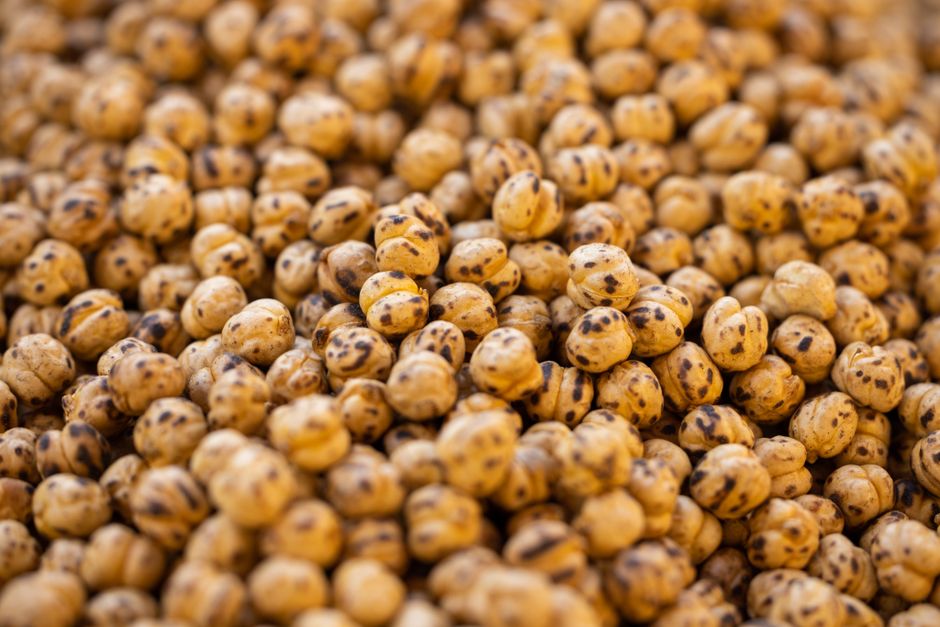
You’ve probably seen roasted chickpeas on every health food list lately, and you’re wondering if they actually help with weight loss or if they’re just another snack trend.
Yes, roasted chickpeas are good for weight loss. They are a low-calorie, high-fiber, and high-protein snack that promotes satiety, helping you feel fuller for longer. Their combination of protein and fiber helps control appetite, making it easier to stick to a calorie deficit, which is the foundation of weight loss.
But there’s more to the story than just snacking on them straight from the bag. The way you prepare them and the portions you eat make a big difference. Many store-bought versions are coated in oil and salt, which can quickly turn a healthy snack into a calorie-heavy one.
This guide breaks down the real science behind roasted chickpeas. We’ll cover how they compare to other snacks, the best ways to prepare them at home, and common mistakes that could stall your progress.
Key Points at a Glance
| Point | What It Means | Why It Matters |
|---|---|---|
| Calorie Density | Roasted chickpeas have about 130-150 calories per half-cup serving. | They fit easily into a calorie deficit without leaving you hungry. |
| Protein Content | One serving provides roughly 6-7 grams of plant protein. | Protein supports muscle maintenance and increases fullness after eating. |
| Fiber Power | A half-cup offers about 6 grams of dietary fiber. | Fiber slows digestion and stabilizes blood sugar, reducing cravings. |
| Portion Control | It’s easy to overeat roasted chickpeas because they’re small and crunchy. | Measuring your portions prevents accidental calorie surplus. |
How Do Roasted Chickpeas Help With Weight Loss?
Roasted chickpeas work for weight loss because they target the two biggest challenges people face: hunger and cravings. The protein and fiber in chickpeas work together to slow down digestion. This keeps your blood sugar steady, which prevents the energy crashes that lead to reaching for sugary snacks.
Research published in the journal Nutrients found that legume consumption is consistently linked with better weight management. People who regularly eat chickpeas tend to have lower body mass indexes and smaller waist circumferences compared to those who don’t. The effect comes from the food’s ability to promote fullness without adding excessive calories.
Are Roasted Chickpeas Good for Weight Loss Compared to Other Snacks?
When you compare roasted chickpeas to common snacks like pretzels, crackers, or chips, they come out ahead in almost every category. A one-ounce serving of pretzels has about 110 calories but only 1 gram of protein and less than 1 gram of fiber. The same serving of roasted chickpeas has roughly 120 calories but delivers 5 grams of protein and 4 grams of fiber.
That difference matters because your brain registers fullness partly based on the volume and nutrient content of what you eat. You can eat the same number of calories in pretzels and still feel hungry an hour later. With chickpeas, the protein and fiber keep you satisfied for two to three hours. This makes it easier to avoid the afternoon vending machine run that derails many weight loss efforts.
How Many Calories Are in Roasted Chickpeas?
A half-cup serving of roasted chickpeas contains roughly 130 to 150 calories, depending on how much oil you use during preparation. Canned chickpeas that you roast at home with a small amount of olive oil will be on the lower end. Store-bought versions that are fried or heavily coated in oil can reach 180 calories or more per half-cup.
The key is to weigh or measure your portions rather than eating directly from the bag. It’s incredibly easy to eat two or three servings without noticing because the crunchy texture makes them easy to keep eating. A food scale gives you the most accurate picture, but a standard measuring cup works well enough.
One thing I’ve learned from cooking with chickpeas for years: patting them completely dry before roasting makes a huge difference. Moisture on the surface prevents crisping, so I use a clean kitchen towel to blot them thoroughly. This small step cuts down on the oil needed and produces a better texture.
What Is the Best Way to Prepare Roasted Chickpeas for Weight Loss?
The healthiest way to prepare roasted chickpeas at home starts with canned chickpeas that you rinse and drain well. After patting them dry, toss them with a small amount of olive oil — about one teaspoon per can is enough. Spread them on a baking sheet and roast at 400 degrees Fahrenheit for 30 to 40 minutes, shaking the pan halfway through.
Seasoning makes the difference between a snack you’ll stick with and one you’ll abandon. Instead of relying on salt, try smoked paprika, garlic powder, or a pinch of cayenne pepper. These add flavor without adding calories, and they keep the snack interesting enough to satisfy your cravings.
The biggest mistake I see people make is skipping the cooling step. Chickpeas continue to crisp up as they cool, so if you pull them out of the oven and eat them immediately, they’ll seem soft. Let them sit for 10 to 15 minutes, and you’ll get that satisfying crunch that makes them a real chip replacement.
Are There Any Downsides to Eating Roasted Chickpeas?
Roasted chickpeas do have some downsides you should know about. The most common issue is digestive discomfort. Chickpeas contain oligosaccharides, a type of carbohydrate that some people struggle to digest, leading to gas and bloating. This usually improves as your body adjusts, but it can be uncomfortable at first.
Another consideration is that roasted chickpeas are still a calorie-dense food by volume. A full cup contains more than 250 calories, so portion control remains essential. If you’re tracking calories for weight loss, you need to count roasted chickpeas just like any other snack, not treat them as a free food.
Some clinical evidence suggests that people with irritable bowel syndrome may be more sensitive to chickpeas. If you have a diagnosed digestive condition, start with a small portion and see how your body responds before making them a regular part of your diet.
Frequently Asked Questions
Related Articles
Can I eat roasted chickpeas every day for weight loss?
Yes, you can eat roasted chickpeas daily as long as you keep your portion to about half a cup. This gives you the fiber and protein benefits without adding too many calories to your daily total.
Are store-bought roasted chickpeas as healthy as homemade?
Store-bought roasted chickpeas are often higher in sodium and oil than homemade versions. Check the nutrition label and ingredient list to find brands with minimal added oil and salt.
Do roasted chickpeas count as a vegetable serving?
Chickpeas count toward your protein group rather than your vegetable servings. They are legumes, which means they belong in the same category as beans and lentils for dietary guidance.
Can roasted chickpeas cause weight gain?
Roasted chickpeas can cause weight gain if you eat them in large quantities without accounting for the calories. A serving is half a cup, and eating multiple servings pushes your calorie intake up quickly.
Are air-fried chickpeas better than oven-roasted chickpeas?
Air-fried chickpeas use less oil than oven-roasted ones, making them slightly lower in calories. Both methods produce a crispy texture, but air fryers typically cook them faster and more evenly.
Use our TDEE calculator to find your maintenance calories and build a weight loss plan that fits your lifestyle.

The TDEECAL Team writes about nutrition, metabolism, and fat loss the way we built our calculator, with real numbers and no hype. We dig into the research so you don’t have to guess.