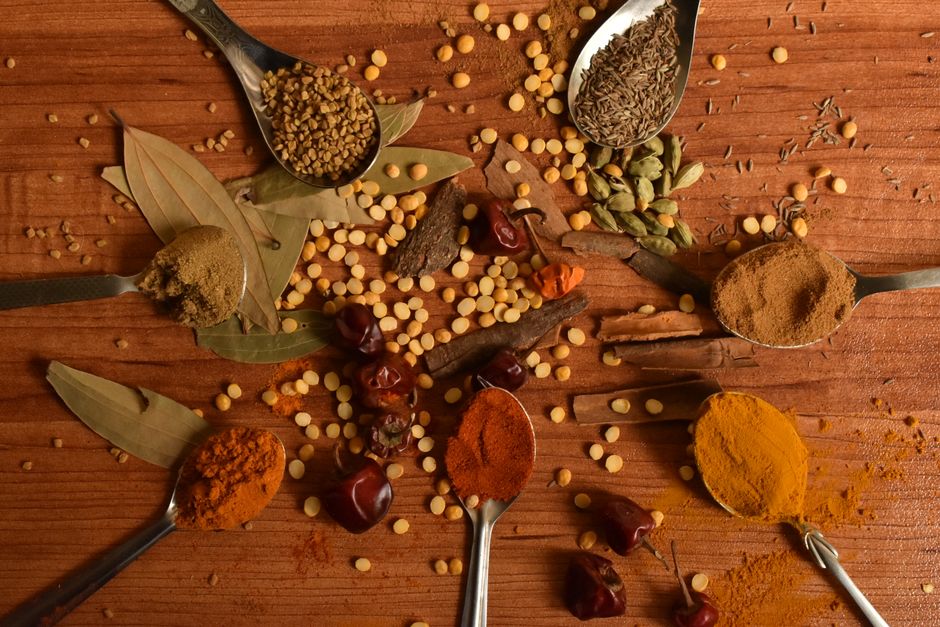
Does Turmeric and Cinnamon Actually Help With Weight Loss?
Most people buy these spices hoping for a metabolic shortcut, but the real benefits are quieter and more practical. The honest answer is that neither spice burns fat on its own, but both can support weight loss in ways that are worth understanding.
Here is the direct answer on how to use turmeric and cinnamon for weight loss: use them as flavor tools that make healthy food more satisfying, and take them with meals that contain fat and black pepper to improve absorption. Research suggests turmeric may help reduce inflammation, and cinnamon can help steady blood sugar after meals. Neither replaces calorie control, but both make the process easier to stick with.
Most articles overpromise what these spices can do. This one focuses on what the evidence actually shows, plus practical ways to add them to your day without complicated recipes or expensive supplements.
My kitchen note: I keep a small jar of cinnamon next to my coffee maker and a jar of turmeric next to the stove. Out of sight means out of mind, and these only work if you actually remember to use them.
Key Points at a Glance
| Point | What It Means | Why It Matters |
|---|---|---|
| Turmeric and cinnamon do not burn fat | No spice directly causes fat loss | Keeps expectations realistic and prevents disappointment |
| Turmeric may reduce inflammation | Curcumin, the active compound, has anti-inflammatory effects in some studies | Lower inflammation can make exercise and recovery easier |
| Cinnamon may help blood sugar control | Some research shows it can modestly reduce post-meal blood sugar spikes | Steadier blood sugar may reduce cravings between meals |
| Absorption matters | Turmeric needs black pepper and fat to be absorbed well | Using it wrong means you get almost no benefit |
| Both spices support healthy eating | They add flavor without calories | Makes vegetables and lean proteins more appealing |
What Does the Research on Turmeric and Cinnamon Say?
Studies on turmeric are mostly small and short-term, but the direction is consistent. Research published in the Journal of Medicinal Food found that curcumin supplementation was linked to modest reductions in body mass index and waist circumference. Some studies suggest turmeric helps reduce inflammatory markers, which matters because chronic inflammation is associated with weight gain and difficulty losing weight.
For cinnamon, the evidence centers on blood sugar. A review in the Journal of Medicinal Food found that cinnamon supplementation reduced fasting blood sugar and improved insulin sensitivity in people with type 2 diabetes. The effect is modest, roughly a 10 to 20 percent improvement in some markers, and it does not replace diabetes medication. In people without diabetes, the benefits are less clear.
Neither spice has been shown to cause weight loss directly. Some studies indicate that cinnamon may slightly slow stomach emptying, which could help you feel full longer after a meal. The evidence is mixed, and results vary from person to person.
How to Use Turmeric and Cinnamon Safely and Effectively
The most practical approach is to treat these as everyday cooking spices, not supplements. For turmeric, the key is pairing it with black pepper. Piperine in black pepper can increase curcumin absorption by up to 2,000 percent. You also need some fat, like olive oil, coconut milk, or butter, because curcumin is fat-soluble.
For cinnamon, choose Ceylon cinnamon if you use it daily in large amounts. Cassia cinnamon, the common grocery store variety, contains coumarin, which can strain the liver in high doses. A teaspoon of cassia cinnamon per day is generally considered safe for most people, but Ceylon is a safer choice for regular use.
Start with a quarter teaspoon of each spice per day and work up slowly. Some people experience stomach upset with turmeric, especially on an empty stomach. Taking it with food reduces this risk. If you have gallstones, bile duct issues, or take blood thinners, talk to your doctor before using turmeric in large amounts.
Practical tip: Add a quarter teaspoon of turmeric and a pinch of black pepper to scrambled eggs, roasted vegetables, or a simple chicken marinade. This is easier to sustain than making special turmeric drinks you will abandon by day three.
How to Use Turmeric and Cinnamon in Your Daily Routine
You do not need special recipes or expensive supplements to benefit from these spices. The simplest approach involves adding them to foods you already eat. A quarter teaspoon of cinnamon in oatmeal, coffee, or plain yogurt adds sweetness without sugar. A quarter teaspoon of turmeric in soups, rice, or roasted vegetables adds color and a warm earthy flavor.
Golden milk is a popular option, but the classic recipe uses whole milk and honey, which adds calories. A lighter version uses unsweetened almond milk, a quarter teaspoon of turmeric, a pinch of black pepper, and a dash of cinnamon. Warm it gently and drink it in the evening. This is not a fat-burning drink, but it is a low-calorie alternative to a sweet evening snack.
One thing to avoid is the idea that adding these spices to a poor diet will fix weight gain. They are not a substitute for vegetables, protein, fiber, or calorie control. Think of them as tools that make healthy eating more sustainable, not as a solution in themselves.
My kitchen note: I add turmeric to the water before boiling rice. The rice turns a gentle yellow and picks up a subtle earthy flavor. It is one less pan to clean and one more way to get the spice into a regular meal.
How Much Turmeric and Cinnamon Should You Take?
No established clinical guideline exists for using these spices specifically for weight loss. For turmeric, most studies use curcumin extracts at doses of 500 to 2,000 milligrams per day, which is far more than you get from cooking with the spice. A typical serving of turmeric in food provides roughly 50 to 100 milligrams of curcumin. You cannot reach the studied doses through food alone.
For cinnamon, studies typically use 1 to 6 grams per day, which equals about half a teaspoon to two teaspoons. The upper end of that range is not realistic for daily cooking and may pose risks with cassia cinnamon. For practical purposes, half a teaspoon to one teaspoon of Ceylon cinnamon per day is a reasonable target.
Supplement forms are available, but quality varies widely. If you choose supplements, look for products that list curcumin content and include piperine. Start at the lowest dose and watch for stomach upset. And remember, no supplement replaces the fundamentals of weight loss, which remain calorie control and regular physical activity.
Related Articles
Frequently Asked Questions
Can turmeric and cinnamon burn belly fat?
No, neither spice burns fat in any specific area of the body. Some studies suggest turmeric may support weight loss indirectly through reduced inflammation, but spot reduction is not possible.
Is it safe to take turmeric and cinnamon every day?
Yes, in culinary amounts, both spices are safe for most people. If you take supplements or have liver or gallbladder conditions, talk to your doctor first.
Should I take turmeric with black pepper?
Yes, black pepper significantly improves turmeric absorption. A small pinch of black pepper with turmeric can increase curcumin absorption by up to 2,000 percent.
Which cinnamon is better for weight loss, Ceylon or Cassia?
Ceylon is safer for regular daily use because it contains much lower levels of coumarin. Both types have similar potential blood sugar benefits.
How long does it take to see results from turmeric and cinnamon?
Any benefits appear gradually over weeks, not days. These spices support weight loss indirectly, so results depend on your overall diet and activity level.
Can I take turmeric and cinnamon supplements instead of using the spices?
Supplements provide higher doses, but they are not more effective for weight loss. Using the spices in food is safer and more sustainable for most people.
If you want to track your calorie needs while adding these spices to your routine, use our TDEE calculator to find your maintenance calories and create a modest deficit. That number matters far more than any single spice.
Start with small changes. Add cinnamon to your morning coffee or oatmeal. Sprinkle turmeric on roasted vegetables. Pair them with a calorie deficit and consistent activity, and they become useful tools in a plan that actually works.

The TDEECAL Team writes about nutrition, metabolism, and fat loss the way we built our calculator, with real numbers and no hype. We dig into the research so you don’t have to guess.