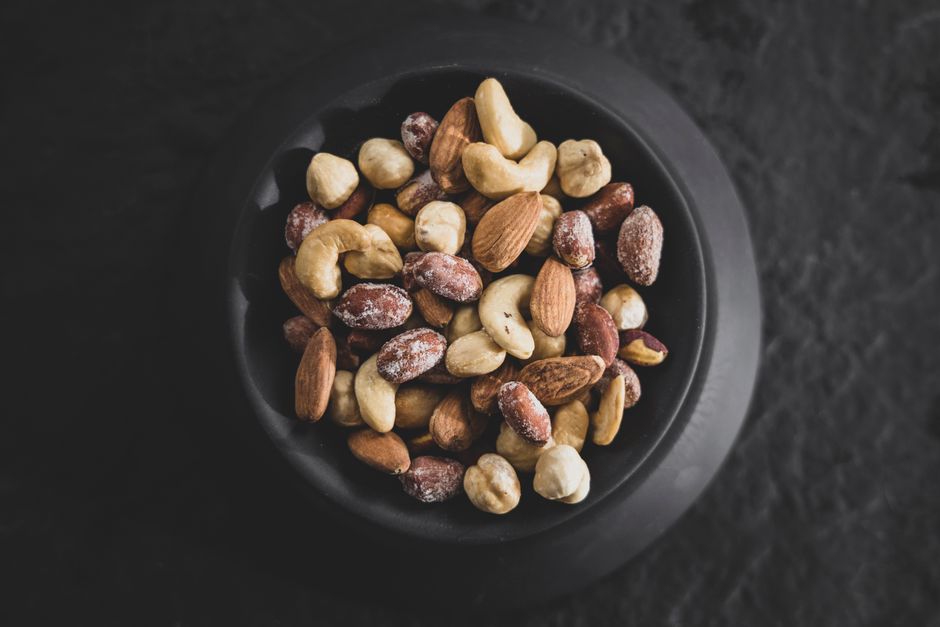
Are Salted Nuts Good for Weight Loss? The Straight Answer
Yes, salted nuts can absolutely fit into a weight loss plan. The salt doesn’t cancel out the protein, fiber, and healthy fats that make nuts so filling. The real issue isn’t the salt — it’s the portion size and whether you’re eating them mindfully or straight from the bag.
Most people assume salted nuts are “bad” because of the sodium. But research consistently shows that nuts, including salted varieties, are linked to better weight management and lower obesity rates. The key is that nuts are calorie-dense, so a small handful goes a long way. One ounce of mixed nuts contains roughly 160 to 180 calories depending on the blend — that’s about 23 almonds or 14 walnut halves.
Here’s what most articles miss: salted nuts can actually help you eat less overall. The salt enhances flavor, which increases satisfaction. When you feel satisfied with a small portion, you’re less likely to reach for processed snacks an hour later. This article covers the real evidence on salted nuts and weight loss, how to choose the right kind, and practical portion strategies that actually work in daily life.
Related Articles
Key Points at a Glance
| Point | What It Means | Why It Matters |
|---|---|---|
| Calorie density | Nuts are high in calories per ounce | Portion control is essential for weight loss |
| Satiety power | Protein, fiber, and fat keep you full longer | Fewer cravings and less snacking later |
| Sodium content | Salted nuts have more sodium than unsalted | Choose lightly salted or control portions if you have high blood pressure |
| Nutrient profile | Magnesium, vitamin E, and healthy fats | Supports overall health while dieting |
| Weight outcomes | Studies link nut consumption to lower BMI | Nuts don’t cause weight gain when eaten in moderation |
Do Salted Nuts Cause Weight Gain?
No — salted nuts don’t cause weight gain by themselves. Weight gain happens when you consistently eat more calories than you burn. Nuts are calorie-dense, but studies have found that people who eat nuts regularly tend to have lower body weight than those who don’t.
One reason is that nut calories aren’t fully absorbed by your body. Research suggests that the fat in nuts is partially trapped in the cell walls, so you absorb fewer calories than the label indicates. Some studies estimate this difference at 10 to 15 percent fewer calories than listed.
The salt matters only if you’re eating more nuts because they taste better. That’s a real risk. Salted nuts are easy to overeat, especially while watching TV or working at your desk. The solution isn’t avoiding them — it’s portioning them out in advance.
Are Salted Nuts Good for Appetite Control?
Salted nuts are genuinely good for appetite control, and this is where they shine for weight loss. The combination of protein, fiber, and fat slows digestion and keeps blood sugar steady. That means you feel full for hours after a small serving.
A one-ounce serving of almonds provides about 6 grams of protein and 3.5 grams of fiber. That’s a meaningful amount for a snack. Compare that to a granola bar or pretzels, which spike your blood sugar and leave you hungry within an hour.
The salt doesn’t interfere with these benefits. Your body processes the fat and protein the same way whether the nuts are salted or not. If anything, the enhanced flavor helps you feel more satisfied with a smaller portion. The main caveat is sodium sensitivity — if you have high blood pressure or retain water easily, keep portions modest.
How Many Salted Nuts Should You Eat Per Day for Weight Loss?
A reasonable daily portion is one ounce, which is roughly a small handful. That’s about 160 to 180 calories depending on the nut type. For weight loss, one ounce as a snack is a solid choice — it’s satisfying without blowing your calorie budget.
If you’re using nuts as a meal addition rather than a snack, adjust accordingly. A tablespoon of chopped nuts on oatmeal or salad adds about 50 to 60 calories. That’s enough to add crunch and nutrition without significantly changing your daily intake.
The evidence doesn’t support eating more than one to two ounces per day for weight loss purposes. More than that, and the calories add up quickly. If you’re tracking calories, weigh your portion at least once to see what an ounce actually looks like — most people are surprised it’s smaller than they expected.
Are Salted Nuts Good for Weight Loss Compared to Other Snacks?
Compared to most common snacks, salted nuts are a better choice for weight loss. A one-ounce serving of salted almonds has about 170 calories, 6 grams of protein, and 3.5 grams of fiber. A standard granola bar has similar calories but only 2 grams of protein and 1 gram of fiber.
The difference shows up in how you feel afterward. Nuts keep you full because of their fat and protein content. Processed snacks like crackers, chips, and bars digest quickly and leave you hungry sooner. That hunger often leads to another snack, which doubles or triples the calorie damage.
The evidence is clear that replacing processed snacks with nuts supports weight management. Some studies have found that adding nuts to a weight loss diet improves adherence because people feel less deprived. The salt doesn’t change this comparison — even salted nuts outperform most packaged snacks nutritionally.
What Kind of Salted Nuts Should You Choose?
Choose nuts with minimal ingredients — ideally just nuts and salt. Dry-roasted or raw nuts are better than oil-roasted varieties, which add unnecessary calories. Check the label for added sugar, honey, or artificial flavorings, which are common in “flavored” nut mixes.
Some nuts are better for weight loss than others. Almonds, pistachios, and walnuts have strong evidence for satiety and weight management. Pistachios are particularly interesting because you have to shell them, which slows down eating. That natural speed bump helps you eat fewer calories without thinking about it.
Watch out for “lightly salted” versus heavily salted varieties. The sodium difference is significant — some brands have triple the sodium of others. If you’re watching blood pressure, look for options with 100 milligrams of sodium or less per serving.
Frequently Asked Questions
Are salted nuts good for weight loss or do they cause belly fat?
Salted nuts are good for weight loss when eaten in controlled portions. No food causes belly fat specifically — weight gain comes from eating more calories than you burn overall.
How many calories are in a serving of salted nuts?
One ounce of salted mixed nuts contains roughly 160 to 180 calories depending on the blend. Almonds, cashews, and pistachios all fall in a similar range.
Should you avoid salted nuts if you have high blood pressure?
You don’t need to avoid them entirely, but choose lightly salted versions and keep portions to one ounce. If your blood pressure is poorly controlled, unsalted nuts are the safer option.
Are roasted salted nuts as healthy as raw nuts?
Dry-roasted salted nuts are nearly as healthy as raw nuts, with similar protein, fiber, and fat content. Oil-roasted nuts add extra calories, so check the label.
Can eating salted nuts at night affect weight loss?
Eating salted nuts at night won’t affect weight loss any differently than eating them during the day. What matters is total daily calories, not the time of day you eat them.
Are honey-roasted or flavored nuts good for weight loss?
Honey-roasted and flavored nuts are not as good for weight loss because they add sugar and extra calories. Stick to plain salted or lightly salted varieties.
Use our TDEE calculator to find your daily calorie target and see exactly how a one-ounce serving of nuts fits into your plan.

The TDEECAL Team writes about nutrition, metabolism, and fat loss the way we built our calculator, with real numbers and no hype. We dig into the research so you don’t have to guess.