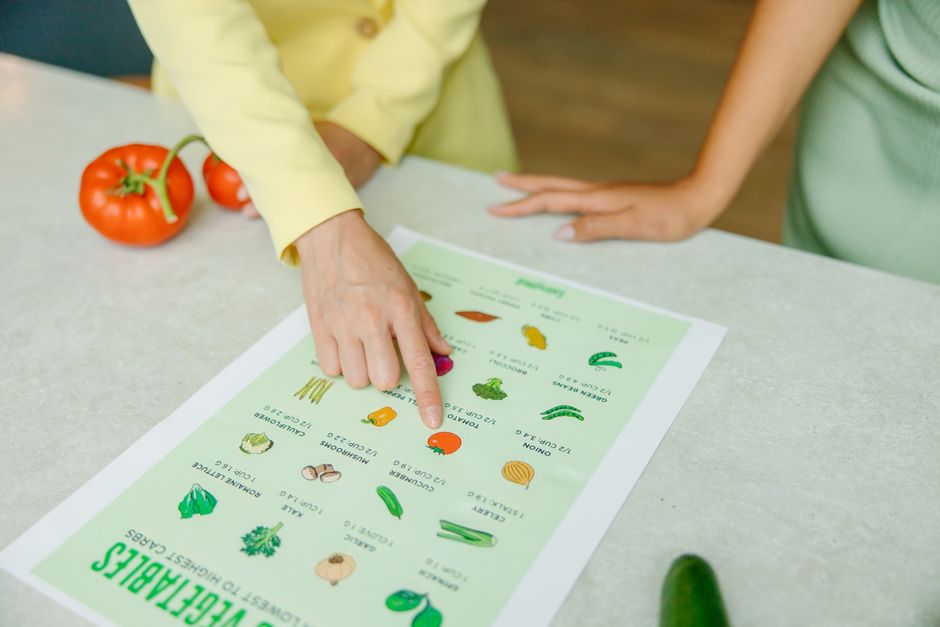
Walking through the produce aisle can feel overwhelming when you’re trying to lose weight. You know vegetables are good for you, but some are much better than others when it comes to helping you drop pounds.
The absolute best vegetables for weight loss are non-starchy options like leafy greens, cruciferous vegetables, and other high-fiber, low-calorie choices. These vegetables fill your plate without filling your calorie budget, and their fiber content keeps you full longer. Vegetables like spinach, broccoli, cauliflower, bell peppers, and zucchini offer the most volume and nutrition for the fewest calories, making them essential tools for any weight loss plan.
Most weight loss advice focuses on what to cut out rather than what to add in. This article flips that thinking. You’ll learn exactly which vegetables give you the most bang for your calorie buck, how to prepare them so you actually want to eat them, and why some vegetables can actually work against your goals.
I’ve spent years helping women navigate this exact confusion. The science is clear, but the application is where most people get stuck. Let me walk you through what actually matters.
Key Points at a Glance
| Vegetable Type | Calories Per Cup | Why It Helps Weight Loss |
|---|---|---|
| Leafy Greens (spinach, kale, romaine) | 5-15 | Highest volume for lowest calories. Fiber fills you up fast. |
| Cruciferous (broccoli, cauliflower, cabbage) | 25-30 | Chewing burns calories. High fiber slows digestion. |
| Bell Peppers and Zucchini | 20-30 | Versatile for replacing higher-calorie ingredients in meals. |
| Starchy Vegetables (potatoes, corn, peas) | 130-180 | Higher in calories. Use in moderation or as your carb portion. |
What Makes a Vegetable Best for Weight Loss?
Not all vegetables are created equal on a weight loss plan. The key factors are calorie density, fiber content, and water content. Vegetables that are low in calories but high in volume let you eat a satisfying amount of food without blowing your calorie goals.
Fiber is the real hero here. It slows down digestion, keeps blood sugar steady, and signals your brain that you’re full. Water-rich vegetables like cucumbers and celery add bulk without calories. When you combine high fiber with high water content, you get a food that fills your stomach and keeps you satisfied for hours.
Cook’s Note: I always roast broccoli at 425°F until the edges are crispy brown. The caramelization makes it taste completely different from steamed broccoli, and I find myself eating more of it without feeling like I’m dieting.
Which Vegetables Should You Eat Most Often?
Leafy greens are the top choice for weight loss because they offer the most volume per calorie. A full cup of raw spinach has only 7 calories. You can eat an entire bag of spinach for fewer calories than a single cracker. That volume triggers stretch receptors in your stomach, which signal fullness to your brain.
Cruciferous vegetables like broccoli, cauliflower, Brussels sprouts, and cabbage are close behind. They require more chewing, which gives your brain time to register fullness. They also contain compounds that may slightly boost metabolism, though the effect is modest at best. The real benefit is their fiber content and low calorie count.
Is Best Veggies for Weight Loss Good for Weight Loss?
Yes, and the science supports this clearly. A 2015 study in the American Journal of Clinical Nutrition found that increasing vegetable intake helped people lose weight when it replaced higher-calorie foods. The key word is “replaced.” Adding vegetables on top of your normal diet doesn’t help much. Swapping them in for calorie-dense foods is where the magic happens.
Bell peppers, zucchini, cucumbers, and celery are excellent choices for the same reasons. They’re crisp, refreshing, and low in calories. They work well as substitutes for higher-calorie ingredients in recipes. For example, using zucchini noodles instead of pasta saves about 200 calories per serving.
How Should You Prepare Vegetables for Weight Loss?
How you cook vegetables matters more than most people realize. Raw vegetables are fine, but cooking can make some nutrients more available to your body. Steaming, roasting, and sautéing with minimal oil are the best methods for weight loss.
Watch out for added fats and sauces. A tablespoon of olive oil adds 120 calories. Cream sauces, cheese, and butter can turn a 30-calorie serving of vegetables into a 300-calorie dish. Simple seasoning with herbs, spices, garlic, lemon juice, or a splash of vinegar keeps calories low while adding flavor.
Cook’s Note: I keep a jar of roasted red peppers in my fridge at all times. A quick chop adds sweetness and flavor to any vegetable dish without adding oil or salt. It’s my secret weapon for making vegetables taste good without extra calories.
What Common Mistakes Do People Make With Vegetables?
The biggest mistake is drowning vegetables in high-calorie dressings and sauces. A salad can easily become a 500-calorie meal if you pile on creamy dressing, cheese, croutons, and nuts. Stick to vinaigrettes or simple oil and vinegar, and measure your portions.
Another mistake is relying on vegetable juices or smoothies. Juicing removes the fiber that makes vegetables filling. You end up drinking the calories without the satiety benefit. Whole vegetables are always better for weight loss than juice versions.
Some people also eat too many starchy vegetables without accounting for their calories. Potatoes, corn, peas, and winter squash are nutritious, but they have more calories per cup than non-starchy options. Treat them as your carbohydrate portion for the meal, not as a free food.
How Many Servings of Vegetables Should You Eat?
The USDA recommends 2-3 cups of vegetables per day for women. For weight loss, aiming for 3-4 cups is reasonable. This fills your plate without exceeding your calorie needs. Spread them across meals and snacks throughout the day.
A simple strategy is to fill half your plate with non-starchy vegetables at lunch and dinner. Use the other half for protein and a small portion of carbohydrates. This naturally controls portions without requiring you to count every calorie.
Related Articles
Frequently Asked Questions
Can I eat unlimited vegetables and still lose weight?
Not exactly. Non-starchy vegetables are very low in calories, but eating massive quantities can add up. Stick to reasonable portions of 3-4 cups per day for best results.
Are frozen vegetables as good as fresh for weight loss?
Yes, frozen vegetables are just as nutritious as fresh, often more so. They’re picked at peak ripeness and flash-frozen, which locks in nutrients.
Should I avoid carrots and corn because of sugar?
No. The sugar in vegetables is natural and comes with fiber and nutrients. Just be mindful of portions, especially with starchy vegetables like corn and peas.
Do green juices help with weight loss?
No, whole vegetables are better. Juicing removes fiber, which is essential for fullness and blood sugar control. Eat your vegetables whole whenever possible.
How should I season vegetables without adding calories?
Use herbs, spices, garlic, onion powder, lemon juice, vinegar, and mustard. These add flavor without significant calories or sodium.
Can vegetables help reduce belly fat specifically?
No food targets belly fat specifically. Eating more vegetables helps with overall weight loss, which will reduce belly fat over time. Spot reduction is a myth.
Ready to take control of your calorie intake? Use the TDEE Calculator to find your exact daily needs for weight loss.

The TDEECAL Team writes about nutrition, metabolism, and fat loss the way we built our calculator, with real numbers and no hype. We dig into the research so you don’t have to guess.