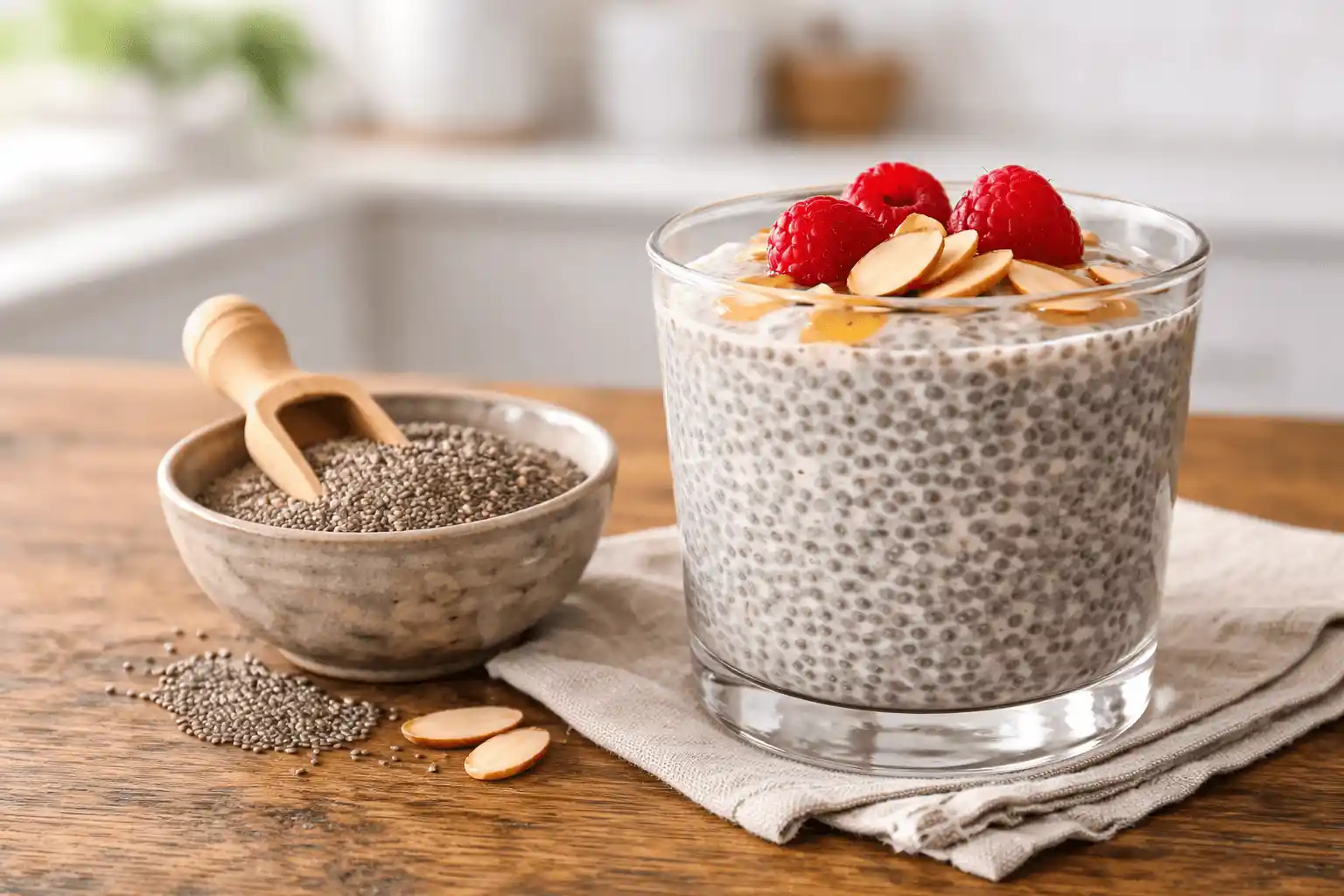
If you want to use chia seeds for weight loss, the short version is this: they’re not magic, but they do one thing really well, and that one thing matters a lot for people over 35.
Quick Overview: Chia Seeds for Weight Loss
| What it is | A small seed from the plant Salvia hispanica, eaten whole or soaked in water or milk. |
|---|---|
| What people claim | Burns fat, flattens the belly, clears skin, kills hunger, speeds metabolism. |
| What research says | May reduce appetite and support modest weight loss — mainly by keeping you full longer. |
| Biggest benefit | High fiber content (about 10 grams per ounce) slows digestion and curbs hunger between meals. |
| Biggest limitation | No study has shown chia seeds cause meaningful fat loss on their own without diet changes. |
| Best for | People who struggle with hunger between meals, want smoother digestion, or need an easy fiber boost. |
| Be careful if | You take blood thinners, have a history of swallowing problems, or have IBS — check with your doctor first. |
| Bottom line | Chia seeds are a genuinely useful addition to a weight-loss diet — not because they burn fat, but because they make it easier to eat less. They work best as part of a real eating plan, not as a solo fix. |
Do Chia Seeds Actually Help You Lose Weight?
Yes, but not the way most headlines make it sound. Chia seeds don’t speed up your metabolism or burn fat directly. What they do is expand in your stomach and slow down how fast food leaves it. That keeps you full longer.
One tablespoon of chia seeds has about 5 grams of fiber. The daily recommended amount for adults is 25–38 grams. Most Americans get maybe 15. Chia seeds help close that gap fast.
A 2017 study published in Nutrition Research and Practice found that overweight adults who added chia seeds to their diet reported feeling fuller after meals and ate fewer calories throughout the day. The group wasn’t doing anything else differently. Just the seeds.
That’s the actual mechanism. Not fat-burning. Appetite control. And for most people trying to lose weight after 35, appetite is the real problem.
“The real reason chia seeds work is boring — they just keep you full. And that’s exactly what most people over 35 need.”
What Is the Best Way to Use Chia Seeds for Weight Loss?
Soak them first. This is the single best thing you can do. Dry chia seeds can absorb up to 12 times their weight in water. If you eat them dry, they do that inside your stomach, which isn’t dangerous, but it can be uncomfortable.
The simplest method: mix 1–2 tablespoons in 8 ounces of water or milk. Let it sit for 20–30 minutes. It turns into a thick gel. Add it to a smoothie, stir it into oatmeal, or eat it as-is.
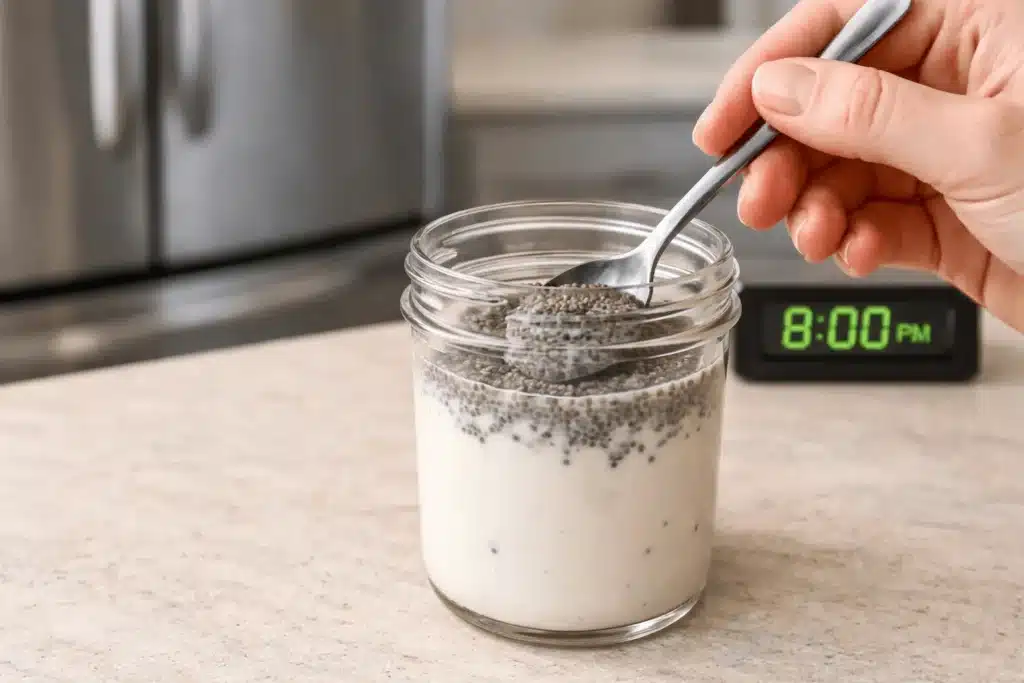
Drink it 30 minutes before a meal. That’s when it does the most work. The gel fills space in your stomach before food arrives.
As of 2026, most dietitians recommend starting with 1 tablespoon a day and working up to 2. Going straight to 3 tablespoons can cause bloating if your gut isn’t used to that much fiber.
You can also add dry chia seeds to salads, yogurt, or soups. They don’t change the taste of anything. That’s part of why they’re useful; they’re invisible in food, but they’re doing real work.
How to Use Chia Seeds for a Flat Tummy
Chia seeds can reduce belly bloating — but not by shrinking fat cells. They do it by improving digestion and reducing the kind of bloating that comes from slow, sluggish bowels.
The fiber in chia seeds feeds the good bacteria in your gut. Healthier gut bacteria mean less gas, less bloating, and more regular digestion. That alone can make your stomach look and feel flatter within a week or two.
Here’s the part nobody talks about: chia seeds are also high in omega-3 fatty acids — about 5 grams per ounce. Omega-3s have been linked to lower inflammation in the gut, according to a 2020 review in the journal Nutrients. Chronic low-grade gut inflammation is one of the things that makes belly fat stubborn, especially after 40.
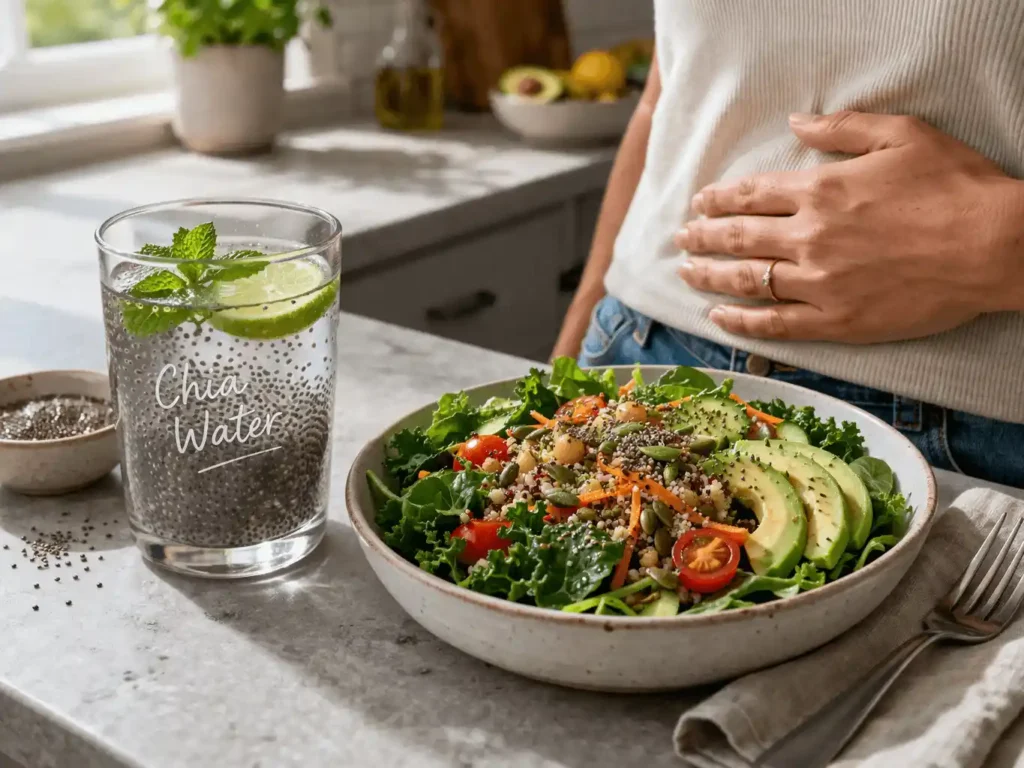
If you’re eating lunch at your desk and skipping breakfast, then eating a big dinner — that pattern creates bloating almost every time. Adding chia seeds to a morning smoothie or midday yogurt can break that cycle by keeping blood sugar more stable throughout the day.
Can Chia Seeds Help With Constipation?
Yes, this is one of the most well-supported uses. Chia seeds are about 35% fiber by weight, and a significant portion of that is soluble fiber, which holds water and softens stool.
Most adults need more fiber for regular bowel movements. Chia seeds deliver it quickly. Two tablespoons a day, soaked in water, can make a real difference within 3–5 days for most people.
The keyword is soaked. Dry chia seeds can actually pull water from your intestines if you don’t drink enough water with them. That makes constipation worse, not better.
Drink at least an extra glass of water when you add chia seeds to your diet. This isn’t optional. The fiber needs water to work.
Chia Seeds for Glowing Skin and Face: Does It Actually Work?
Some evidence supports this, though the skin research is less strong than the digestion and appetite research. What we know is this: chia seeds are one of the best plant sources of omega-3 fatty acids, and omega-3s are directly connected to skin hydration and barrier function.
A 2021 study from Lipids in Health and Disease found that omega-3 supplementation improved skin moisture and reduced inflammatory skin markers in adults over 40. Chia seeds weren’t the specific source studied, but the omega-3 content is comparable to flaxseed, which has been studied more directly for skin.
The zinc and antioxidants in chia seeds also matter here. Zinc supports cell repair. Antioxidants fight the daily oxidative stress that speeds up how skin ages.
If you want to use chia seeds for your face directly — as a mask — mix 1 tablespoon of soaked chia seeds with a teaspoon of honey and a few drops of rose water.
Leave it on for 10–15 minutes. Some people find this calms redness and leaves skin softer. The research on topical chia is thin, but the ingredients aren’t harmful, and the risk is zero.
Honestly? Eating them consistently will likely do more for your skin than putting them on it. The inside-out approach is better supported by the evidence.
How Much Should You Actually Eat Per Day?
Two tablespoons is the number most studies use, and it’s the amount most dietitians point to. That’s about 28 grams, one ounce. It gives you roughly 137 calories, 9 grams of fat (mostly healthy), 12 grams of carbs, 10 grams of fiber, and 4 grams of protein.
Start with one tablespoon if you’re new to high-fiber foods. Your gut needs time to adjust. Jumping to two tablespoons immediately often causes bloating and gas in the first week, not because chia is bad, but because your gut bacteria are adapting.
Here’s what the research hasn’t fully settled yet: the optimal timing. Some small studies suggest that eating chia seeds before a meal reduces how much you eat at that meal.
Others show no significant difference. We don’t have a large, long-term randomized trial that nails down the best time of day. That gap in the evidence is real, and anyone who tells you otherwise is overselling what we know.
The Honest Truth: What Chia Seeds Won’t Do
They won’t melt fat. They won’t flatten your stomach overnight. They won’t replace a real eating plan.
A 2009 study in PubMed followed overweight adults for 12 weeks. Half ate chia seeds daily. Half didn’t. The chia group lost no significantly more weight than the control group when the diet wasn’t controlled. That’s the honest finding.
What the study didn’t measure well was hunger levels and food choices throughout the day. That’s where chia seeds probably do their real work — in the small decisions between meals. Did you grab a handful of chips at 3 pm, or were you still full from breakfast? That’s where these seeds earn their place.
My honest read of the evidence: chia seeds are a useful tool for people who struggle with between-meal hunger and low fiber intake. They’re not a weight loss supplement. They’re a food that makes eating a little easier. That’s a real benefit — just not a dramatic one.
Frequently Asked Questions
How long does it take for chia seeds to work for weight loss?
Most people notice reduced hunger within the first week. Actual weight changes — if they come, usually take 4–8 weeks of consistent use combined with a calorie deficit. Chia seeds alone won’t produce weight loss without also watching what you eat overall.
Should I eat chia seeds before or after a meal?
Before, if the goal is appetite control. Eating soaked chia seeds 20–30 minutes before a meal may help you eat less at that meal. After a meal, they still add fiber — they just won’t blunt your appetite as effectively.
Can I eat chia seeds every day?
Yes, for most people. Two tablespoons a day is considered safe and well-tolerated. If you have kidney disease, blood clotting issues, or IBS, check with your doctor first; the high fiber and omega-3 content can interact with certain conditions and medications.
How do I use chia seeds for a flat tummy fast?
Soak 1–2 tablespoons in water or milk each morning and drink it before breakfast. The fiber reduces bloating from slow digestion within a few days for most people. Pair it with drinking more water; that’s what actually speeds up the effect.
Do chia seeds help with constipation?
Yes, this is one of the most evidence-backed uses. Two tablespoons of soaked chia seeds per day, combined with adequate water intake, improves stool consistency and frequency for most adults within 3–5 days. Always soak them first and drink an extra glass of water.
The Bottom Line
If you want to use chia seeds for weight loss, the best path is simple: two tablespoons a day, soaked in water or milk, eaten consistently. Not as a quick fix. As a daily habit that makes your appetite easier to manage, your digestion smoother, and your fiber intake closer to where it should be.
They work. Just not in the dramatic way the internet suggests. And for most people over 35, slow, steady, and sustainable is actually the goal.

The TDEECAL Team writes about nutrition, metabolism, and fat loss the way we built our calculator, with real numbers and no hype. We dig into the research so you don’t have to guess.