You’ve probably seen gelatine added to smoothies, gummies, and even coffee as a weight loss hack. But the honest answer is that gelatine is not a magic fat-burning ingredient — it works indirectly, if at all, and the evidence for direct weight loss is thin.
So does gelatine work for weight loss? The short answer is that gelatine may help with weight management in a few small ways, like supporting fullness and muscle recovery, but it is not a replacement for calorie control or exercise. Most of the claims about gelatine and weight loss come from its protein content, not from any special fat-burning property. If you are looking for a simple fix, gelatine is not it. But if you understand what it can and cannot do, it might earn a small spot in your routine.
This article cuts through the hype. You will learn what the science actually says about gelatine for weight loss, how many calories it has, and whether it is worth your time. No promises of overnight results — just the facts you need to decide for yourself.
Key Points at a Glance
| Point | What It Means | Why It Matters |
|---|---|---|
| Gelatine is mostly protein | One tablespoon has about 6 grams of protein and 23 calories | Protein can support fullness and muscle maintenance during weight loss |
| No direct fat-burning effect | Gelatine does not boost metabolism or burn fat on its own | Do not expect it to replace diet or exercise changes |
| May support joint health | Some studies show gelatine helps joint recovery | Better joints mean easier movement and more activity |
| Missing key amino acids | Gelatine is not a complete protein | It should not be your only protein source |
| Works best as a supplement | Use gelatine as a small addition, not a meal replacement | It fits best alongside balanced eating and exercise |
How Does Gelatine Affect Your Weight?
Gelatine comes from animal collagen, usually from cows or pigs. When you eat it, your body breaks it down into amino acids. These amino acids are used to build your own collagen, which supports skin, bones, and joints. But none of this directly causes weight loss.
The main way gelatine could help with weight is through protein. Protein takes longer to digest than carbs or fat, so it can keep you full longer. If you add gelatine to a meal or drink, you might eat less overall. But the effect is small. One study found that people who ate gelatine before a meal ate about 20% fewer calories at that meal. That sounds promising, but the study was small and short-term. Long-term results are not clear.
Try this: I add one scoop of unflavored gelatine to my morning coffee. It dissolves well and adds a little protein without changing the taste. It is not a weight loss trick — it just helps me feel full until lunch.
Does Gelatine Help With Fat Loss or Muscle?
Gelatine is not a fat burner. No food or supplement can target fat directly. Weight loss happens when you eat fewer calories than you burn. Gelatine can fit into that equation, but it does not change the math.
Where gelatine may help is with muscle recovery. When you lose weight, you often lose some muscle too. Keeping muscle is important because it burns more calories at rest than fat does. Gelatine provides amino acids like glycine and proline, which support muscle repair after exercise. This is often claimed, though strong clinical evidence is still limited. One small study found that gelatine before exercise helped improve collagen synthesis, but it did not measure weight loss.
How Many Calories Are in Gelatine?
One tablespoon of dry gelatine has about 23 calories and 6 grams of protein. That is very low compared to other protein sources. For reference, one egg has about 70 calories and 6 grams of protein. So gelatine is not a calorie bomb, but it is also not a significant source of nutrition.
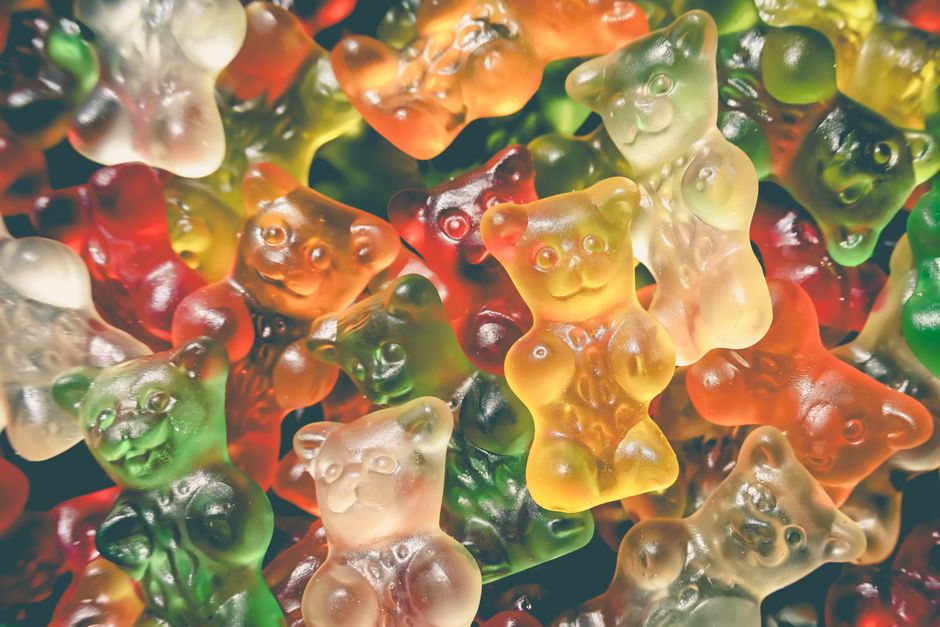
If you use gelatine in a recipe, the calories add up fast. Many gummy snacks and desserts use large amounts of gelatine plus sugar. A single serving of homemade gummy bears can have 100–150 calories from sugar alone. Check labels carefully. The gelatine itself is fine, but what you mix it with matters more.
Should You Use Gelatine for Weight Loss?
Gelatine can be a useful tool, but only if you use it wisely. Here is what to consider:
- Use it as a protein boost, not a meal. Add it to soups, smoothies, or sauces for a small protein bump. Do not replace whole foods with gelatine.
- Watch the sugar. Many gelatine-based desserts are loaded with sugar. Make your own with low-calorie sweeteners if you want a treat.
- Pair it with exercise. Gelatine may help joints recover, which can make it easier to stay active. Movement is key for weight loss.
- Do not expect quick results. Gelatine is not a shortcut. If you do not change your overall diet and activity, it will not help.
If you want a more precise way to track your calories and protein, use the TDEE Calculator to find your maintenance level. Then adjust your intake from there.
Common Mistakes People Make With Gelatine
One big mistake is thinking gelatine is a complete protein. It is not. It lacks one essential amino acid called tryptophan. This means your body cannot use it as efficiently as meat, eggs, or dairy for building muscle. If you rely on gelatine alone for protein, you will miss out.
Another mistake is using too much. Gelatine is filling, but it can also cause bloating or digestive upset if you eat a lot. Start with one tablespoon per day and see how your body reacts. More is not better.
Finally, do not confuse gelatine with collagen powder. They come from the same source, but collagen is partially broken down for easier mixing. The nutritional profile is nearly identical. Choose whichever fits your recipe and budget.
Related Articles
Frequently Asked Questions
Does gelatine work for weight loss on its own?
No, gelatine does not cause weight loss by itself. It may help with fullness and muscle recovery, but it works best alongside a balanced diet and exercise.
How much gelatine should I take per day?
Start with one tablespoon, which is about 6 grams of protein. Do not exceed two tablespoons unless a doctor advises it.
Is gelatine better than collagen for weight loss?
They are nearly identical in nutrition. Collagen mixes more easily in cold liquids, but both have the same calories and protein per serving.
Can gelatine help me eat less?
Some studies suggest it can reduce appetite for a short time. The effect is small and may not last through the whole day.
Does gelatine have any side effects?
Too much gelatine can cause bloating, gas, or an upset stomach. Stick to one tablespoon per day to avoid discomfort.
Can I use gelatine in place of a meal?
No, gelatine is not a complete meal. It lacks vitamins, minerals, and essential amino acids that whole foods provide.

The TDEECAL Team writes about nutrition, metabolism, and fat loss the way we built our calculator, with real numbers and no hype. We dig into the research so you don’t have to guess.