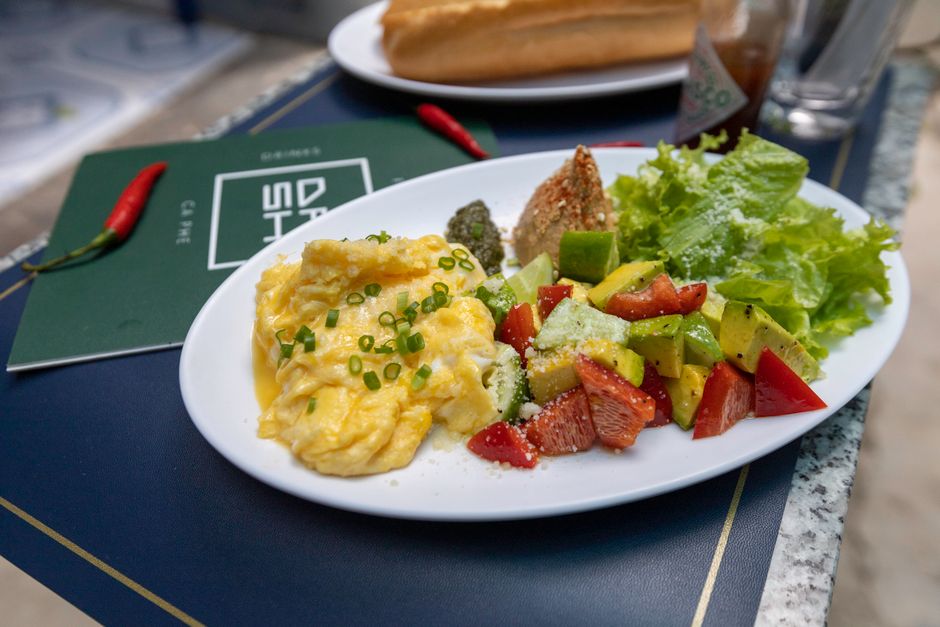
Scrambled eggs are a staple for many trying to lose weight, but pairing them with the wrong sides can quietly add hundreds of calories. The direct answer to what to eat with scrambled eggs for weight loss is this: pair them with non-starchy vegetables, a small portion of healthy fat like avocado, and a lean protein source to create a balanced, high-volume meal that keeps you full for hours without excess calories. Most people focus only on the eggs themselves, but the sides you choose determine whether your breakfast supports or sabotages your goals. This article covers the specific foods that work, the portions that matter, and the common mistakes that stall progress — information you won’t find in generic healthy eating lists.
Key Points at a Glance
| Point | What It Means | Why It Matters |
|---|---|---|
| Volume matters more than restriction | Add low-calorie vegetables like spinach, mushrooms, and bell peppers | You eat more food for fewer calories, which reduces hunger without feeling deprived |
| Protein balance is key | Pair eggs with additional lean protein like turkey or cottage cheese | Higher protein intake preserves muscle during weight loss and increases satiety |
| Fat quality over quantity | Use a small amount of avocado or olive oil instead of butter | Unsaturated fats support hormone function without the inflammatory effects of saturated fat |
| Watch the hidden calories | Cheese, cream, and butter add 100+ calories per serving quickly | Small additions can erase your calorie deficit without you noticing |
| Fiber is non-negotiable | Include vegetables or a small portion of beans or whole grains | Fiber slows digestion and stabilizes blood sugar, preventing mid-morning cravings |
What Vegetables Work Best with Scrambled Eggs for Weight Loss?
Non-starchy vegetables are the most effective addition to scrambled eggs for weight loss. Spinach, mushrooms, onions, bell peppers, zucchini, and tomatoes all add bulk and nutrients while adding minimal calories. A full cup of sautéed spinach has roughly 7 calories, which means you can double your portion size without doubling your calorie intake.
I always add a handful of spinach right at the end of cooking — it wilts in seconds and adds a mild flavor that doesn’t overpower the eggs. The key is to cook vegetables first to release their moisture, then add the eggs. This prevents a watery scramble and ensures the vegetables integrate properly.
Practical Tip: Pre-chop a batch of vegetables on Sunday. Store them in an airtight container. This cuts morning prep time to under 5 minutes and removes the excuse to skip vegetables.
Is What to Eat with Scrambled Eggs for Weight Loss Good for Weight Loss?
Yes, but only if you choose the right pairings. What to eat with scrambled eggs for weight loss should focus on protein, fiber, and healthy fats in controlled portions. A typical serving of two scrambled eggs cooked with a teaspoon of oil provides around 200 calories. Adding a cup of mixed vegetables adds about 30 calories. A quarter of an avocado adds roughly 60 calories and provides healthy fats that aid nutrient absorption.
The problem arises when people add cheese, cream, or butter without accounting for the calories. One ounce of cheddar cheese adds 115 calories and 9 grams of fat. Two tablespoons of heavy cream add 100 calories. These additions can turn a 200-calorie breakfast into a 400-calorie one without increasing satiety proportionally.
How Much Protein Should You Aim For?
For weight loss, aim for 25 to 30 grams of protein at breakfast. Two large eggs provide about 12 grams. To reach the target, add a lean protein source such as 2 ounces of smoked salmon (12 grams), a half cup of cottage cheese (14 grams), or 3 ounces of grilled chicken breast (26 grams). This protein range has been shown to reduce hunger hormones and increase fullness more effectively than lower-protein breakfasts.
A practical approach is to scramble two eggs with a quarter cup of cottage cheese mixed in. The cottage cheese adds protein, creates a creamier texture, and requires no extra cooking time. I use this method regularly and find it keeps me satisfied until lunch without needing a mid-morning snack.
What About Healthy Fats?
Healthy fats are essential for hormone function and nutrient absorption, but portion control is critical. A quarter of a medium avocado provides about 5 grams of monounsaturated fat and 60 calories. A tablespoon of olive oil drizzled over vegetables adds 120 calories. One tablespoon of chia seeds sprinkled on top adds 60 calories and 4 grams of fiber.
The mistake many people make is adding fat without measuring. A “drizzle” of olive oil can easily be 2 to 3 tablespoons, adding 240 to 360 calories. Use measuring spoons or a kitchen scale until you can eyeball portions accurately. This single habit can save 100 to 200 calories per meal.
Common Mistakes That Stall Weight Loss
Three mistakes appear most often. First, skipping vegetables entirely. This reduces volume and fiber, making it harder to feel full. Second, adding high-calorie condiments like ketchup, hot sauce with added sugar, or cheese sauces. These add 50 to 150 calories with little nutritional benefit. Third, eating scrambled eggs alone without any protein or fat source beyond the eggs themselves. This leaves you under 15 grams of protein, which often leads to hunger within two hours.
Avoiding these mistakes is straightforward. Keep vegetables prepped. Measure your fats. And always pair eggs with at least one additional protein source. Your breakfast should leave you satisfied, not stuffed — and definitely not hungry an hour later.
Sample Meal Combinations
Here are three specific combinations that work for weight loss. Each provides roughly 300 to 350 calories, 25 to 30 grams of protein, and 5 to 10 grams of fiber. Combination one: two scrambled eggs with a cup of sautéed spinach and mushrooms, topped with a quarter avocado. Combination two: two scrambled eggs mixed with a quarter cup of cottage cheese, served with a cup of roasted bell peppers and onions. Combination three: two scrambled eggs with 2 ounces of smoked salmon and a half cup of cherry tomatoes.
These combinations work because they balance macronutrients without relying on processed foods. You can rotate them throughout the week to avoid boredom. If you need more calories, add a slice of whole-grain toast or a half cup of black beans. If you need fewer, reduce the avocado to a tablespoon or use egg whites for half the eggs.
For more personalized calorie and macronutrient targets, use the TDEE Calculator to find your maintenance calories and recommended protein intake.
Related Articles
Frequently Asked Questions
Can I eat scrambled eggs every day for weight loss?
Yes, eating scrambled eggs daily is fine for weight loss as long as you control portion sizes and pair them with vegetables and lean protein. The key is variety in your vegetable choices to ensure you get different nutrients throughout the week.
What is the best oil to cook scrambled eggs for weight loss?
Olive oil or avocado oil are the best choices because they provide heart-healthy monounsaturated fats. Use one teaspoon, which adds about 40 calories, and cook over medium heat to avoid burning the oil.
How many eggs should I eat for weight loss?
Two whole eggs per meal is a reasonable target for most people, providing about 12 grams of protein and essential nutrients like choline. If you need more protein, add extra egg whites rather than increasing whole eggs.
Can I add cheese to scrambled eggs and still lose weight?
You can add a small amount of cheese, such as one tablespoon of grated Parmesan (20 calories), but full servings of cheddar or mozzarella add 100 to 120 calories. If you add cheese, reduce the fat from other sources like avocado or oil to keep calories balanced.
What should I drink with scrambled eggs for weight loss?
Black coffee, unsweetened tea, or water are the best choices because they add zero calories. Avoid fruit juice, which adds 100 to 150 calories per glass with minimal fiber or protein.
Is it better to eat scrambled eggs with toast or without?
Whole-grain toast adds fiber and complex carbohydrates, which can help sustain energy, but it also adds 80 to 100 calories per slice. If you eat toast, choose 100% whole grain and limit yourself to one slice to keep calories in check.

The TDEECAL Team writes about nutrition, metabolism, and fat loss the way we built our calculator, with real numbers and no hype. We dig into the research so you don’t have to guess.