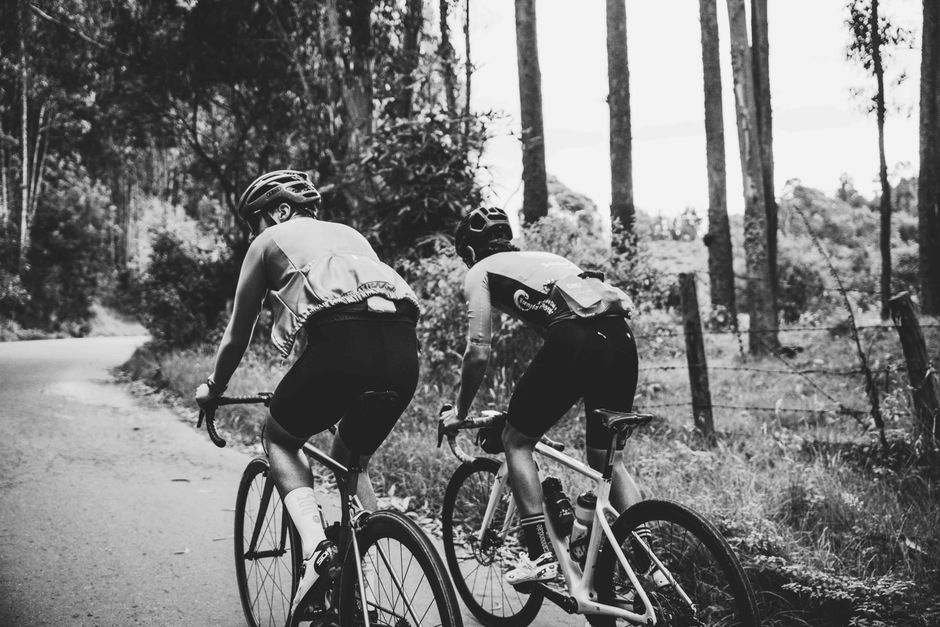
How Long to Bike Ride for Weight Loss
The number on the bike’s display doesn’t tell you everything. Most people overestimate how many calories they burn and then feel defeated when the scale doesn’t move.
For weight loss, the amount of time you spend biking matters less than your total weekly effort. A good starting target is 150 to 300 minutes of moderate cycling per week, which breaks down to roughly 30 to 60 minutes on most days. This aligns with general physical activity guidelines for adults trying to lose weight or maintain a loss.
But time alone isn’t the whole story. Your intensity, your current weight, and your eating habits all play a major role. This article covers how to structure your bike rides for results, what intensity actually means, and how to use a TDEE calculator to set realistic expectations.
Start with your baseline. If you haven’t ridden in months, begin with 20-minute rides three times a week. Add five minutes each week. This builds consistency without burning you out.
Key Points at a Glance
| Point | What It Means | Why It Matters |
|---|---|---|
| Weekly minutes | 150 to 300 minutes of moderate cycling | Matches activity guidelines for weight loss |
| Intensity | Moderate means you can talk but not sing | Higher effort burns more calories per minute |
| Calorie deficit | You must burn more than you eat | Biking alone won’t fix a high-calorie diet |
| Consistency | Regular short rides beat occasional long ones | Habit formation drives long-term results |
How Many Minutes Should You Ride Each Day?
Thirty minutes of moderate cycling is a solid daily starting point for most adults. If you weigh more, you burn more calories at the same effort, so your results may come faster than someone lighter.
Research consistently shows that 150 minutes of moderate activity per week produces measurable health benefits. For weight loss specifically, many studies suggest moving toward 250 to 300 minutes weekly for more significant changes. That’s about 45 to 60 minutes on five days each week.
I’ve noticed that riders who split their time into shorter daily sessions stick with it longer than those who try one marathon weekend ride. Consistency beats intensity for most people.
Split your rides if needed. Two 20-minute rides in a day count the same as one 40-minute ride. Morning and evening sessions work well for busy schedules.
Does Intensity Change How Long to Bike Ride?
Yes, and this is where many people get confused. A leisurely 60-minute ride on flat ground burns far fewer calories than a 30-minute ride with hills or higher speed.
Moderate intensity means your heart rate is elevated and you can hold a conversation but not sing. Vigorous intensity means you’re breathing hard and can only say short phrases. The American College of Sports Medicine recognizes both as valuable, but vigorous effort roughly doubles your calorie burn per minute.
Some research suggests that interval training — short bursts of hard effort followed by recovery — produces similar weight loss results in less total time. If you’re short on schedule, 20 to 25 minutes of intervals may match a 45-minute steady ride.
Use the talk test. If you can chat easily, push harder. If you’re gasping, back off slightly. That sweet spot between the two is your moderate zone.
How Many Calories Does Biking Actually Burn?
A 155-pound person burns roughly 260 calories in 30 minutes of moderate cycling, according to USDA data. At a vigorous pace, that jumps to about 390 calories in the same time frame.
Heavier riders burn more. A 200-pound person burns about 335 calories in 30 minutes of moderate riding. Lighter riders burn less — around 210 calories for a 125-pound person. These figures vary by bike type, terrain, and your fitness level.
To lose one pound of fat, you need a deficit of about 3,500 calories. That means you’d need roughly 13 to 14 moderate 30-minute rides to lose one pound from biking alone. Adding dietary changes speeds this up considerably.
Use a TDEE calculator to find your maintenance calories first. Then subtract 300 to 500 calories from that number for a sustainable weekly loss of one to two pounds. Biking adds to that deficit rather than doing all the work.
How Long to Bike Ride: Sample Weekly Schedules
Here are three realistic weekly plans based on your current fitness level. Choose one that matches where you are today, not where you want to be in six months.
| Level | Weekly Plan | Expected Effort |
|---|---|---|
| Beginner | 20-30 minutes, 3 days per week | Moderate, flat terrain |
| Intermediate | 40-45 minutes, 4-5 days per week | Moderate to vigorous, some hills |
| Advanced | 60 minutes, 5 days, plus one interval session | Vigorous, varied terrain |
Progress from beginner to intermediate after two to three weeks if you feel recovered between rides. Move to advanced only when intermediate rides feel manageable.
I’ve seen riders stall because they keep the same route and pace every single ride. Your body adapts quickly. Change your route, add hills, or increase speed every couple of weeks to keep challenging yourself.
What Else Affects Your Weight Loss Results?
Biking burns calories, but it also increases appetite for some people. Pay attention to whether you’re eating back everything you burned. A post-ride snack is fine, but a full meal right after a 30-minute ride can erase your deficit.
Muscle gain can mask fat loss on the scale. Cycling builds leg and glute muscle, especially when you ride hills or intervals. Your clothes may fit better even when the number doesn’t drop for a few weeks.
Sleep and stress also matter. Poor sleep raises hunger hormones, and chronic stress can increase belly fat storage. Biking helps with both, but only if you’re also prioritizing rest and recovery.
Track more than weight. Measure your waist, note how your clothes fit, and record your energy levels. These signals often change before the scale does.
Frequently Asked Questions
Related Articles
Is 30 minutes of biking a day enough for weight loss?
Yes, 30 minutes of moderate biking daily can contribute to weight loss if you maintain a calorie deficit. For more significant results, aim for 45 to 60 minutes on most days.
How long to bike ride for a beginner trying to lose weight?
Beginners should start with 20 to 30 minutes of moderate cycling three days per week. Add five minutes each week until you reach 45 to 60 minutes per session.
How many days a week should I bike to see results?
Most research supports biking four to five days per week for noticeable weight loss results. Include at least one rest day to allow your muscles to recover.
Does biking burn belly fat specifically?
No exercise can target belly fat specifically, including biking. You lose fat from all over your body through a calorie deficit, and your genetics determine where it comes off first.
Is it better to bike faster or longer for weight loss?
Both work, but faster riding burns more calories per minute. If you have limited time, shorter higher-intensity rides may match longer moderate rides in total calorie burn.
Will biking make my legs bigger?
Moderate cycling at a comfortable pace builds lean muscle rather than bulky legs. Significant muscle growth requires heavy resistance training and high protein intake, not just biking.
Use our TDEE Calculator to find your maintenance calories and set a realistic daily target. Then pair that number with a consistent biking schedule that fits your life.

The TDEECAL Team writes about nutrition, metabolism, and fat loss the way we built our calculator, with real numbers and no hype. We dig into the research so you don’t have to guess.