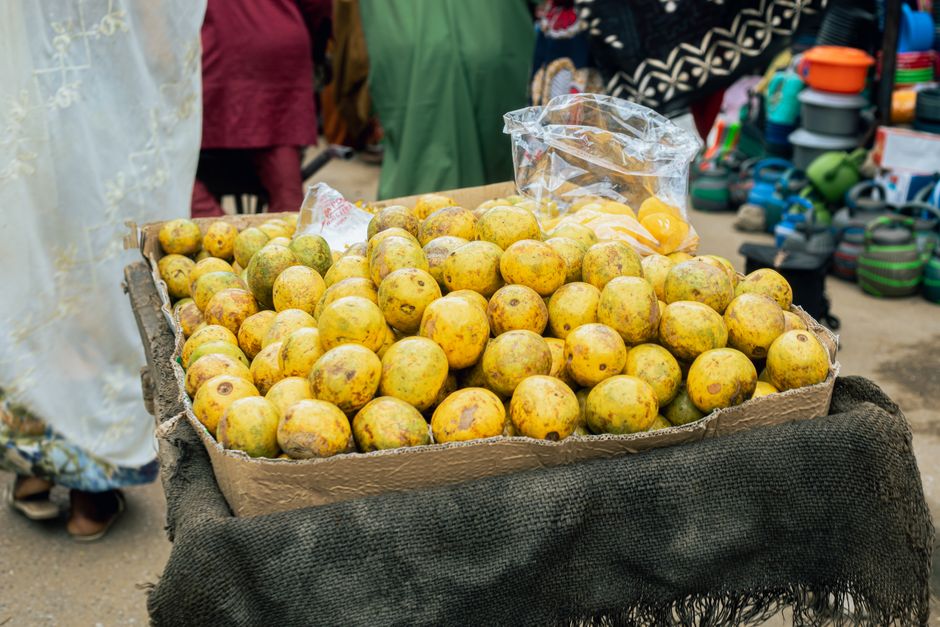
African mango extract has been sold in capsules for years with bold promises attached, and the dosing question is where most people get stuck. There is no established clinical dose of African mango for weight loss. Human trials have used roughly 150 mg to 3,000 mg per day of seed extract, often standardized to about 7 percent Irvingia gabonensis seed extract, taken in divided doses before meals. Those figures come from small, short studies — not from a regulatory standard.
If you have stood in a supplement aisle holding a bottle and wondering whether the label makes any sense, you are not alone. Most African mango products give no clear guidance, and the research behind them is thinner than the marketing suggests.
This article covers what the actual human trials used, what those trials did and did not find, and how to read a label without being misled. It also covers who should skip this supplement entirely.
Key Points at a Glance
| Point | What It Means | Why It Matters |
|---|---|---|
| No official dose exists | No health agency has set a recommended daily intake for African mango | Label directions vary widely and are set by manufacturers, not regulators |
| Trial doses ranged widely | Published studies used roughly 150 mg to 3,000 mg daily of seed extract | There is no single dose shown to be most effective |
| Evidence is small and short-term | Most trials enrolled fewer than 120 people for 4 to 10 weeks | Long-term safety and lasting weight loss are unknown |
| Calories still drive results | Weight change depends on your total energy balance, not a capsule | Knowing your TDEE is more useful than any supplement dose |
What Dose of African Mango Did Human Trials Actually Use?
The most-cited trial used 150 mg of Irvingia gabonensis seed extract twice daily — 30 to 60 minutes before meals — for 10 weeks. A separate trial used a higher daily amount, around 3,000 mg, split across meals. Both reported weight changes, but both were small and short.
That spread — from 150 mg to 3,000 mg — tells you something important. Researchers have not settled on a standard dose because the evidence base is too thin to establish one. A 2022 review of African mango studies concluded that the trials were generally low quality, with small samples and high dropout rates.
How Much African Mango for Weight Loss Is Enough to See Results?
No dose has been shown to reliably produce weight loss on its own. The trials that reported results also included calorie restriction and, in some cases, a fiber-rich diet. That makes it impossible to credit the extract alone.
Some research suggests African mango may modestly affect body weight and waist circumference. But the effect sizes were small, and several studies were funded or supported by supplement manufacturers — a conflict of interest worth knowing about. Evidence indicates the effect, if real, is minor compared with what diet and activity change.
Here is the honest framing: if a supplement helps at all, it helps at the margins. Your calorie intake does the heavy lifting.
Is African Mango Extract Safe, and Who Should Avoid It?
Short-term use appears generally well tolerated in the published trials, with reported side effects including headache, gas, and sleep difficulty. That is not the same as proven safe for long-term use. No strong clinical evidence currently supports extended daily use beyond a few months.
Talk to your doctor before starting it if you take diabetes medication, blood pressure medication, or blood thinners. African mango may affect blood sugar and has been reported to influence how the body handles certain drugs. Skip it entirely during pregnancy and breastfeeding — no safety data exists for those groups.
Why Your Calorie Needs Matter More Than Any Supplement
Weight loss happens when you consistently eat less energy than your body uses. Your total daily energy expenditure — your TDEE — sets that number. A supplement cannot override a calorie surplus, and no trial of African mango has shown it can.
Use the TDEE calculator to estimate your maintenance calories, then aim for a moderate deficit. For most women, that means roughly 300 to 500 calories below maintenance per day. Never drop below 1,200 calories daily without medical supervision — that is a clinical minimum, not a target.
Related Articles
Frequently Asked Questions
How much African mango should I take daily?
No official recommended dose exists. Published trials used roughly 150 mg to 3,000 mg of seed extract per day, so follow the product label and check with your doctor first.
Does African mango actually cause weight loss?
Some small studies suggest a modest effect, but the evidence is low quality and often industry-funded. No strong clinical evidence shows it produces meaningful weight loss on its own.
When should I take African mango — before meals or with food?
Trials typically dosed it 30 to 60 minutes before meals. That timing is a research convention, not a proven requirement, so follow your product’s label instead.
Are there side effects of African mango extract?
Reported side effects include headache, gas, and trouble sleeping. It may also affect blood sugar and drug metabolism, so check with your doctor if you take medication.
Can I take African mango while pregnant or breastfeeding?
No safety data exists for pregnancy or breastfeeding, so it should be avoided during both. Ask your obstetric provider before using any weight loss supplement.
How long does African mango take to work?
Trials ran 4 to 10 weeks, and results varied widely among participants. There is no established timeline, and any effect is likely small compared with diet and activity changes.

The TDEECAL Team writes about nutrition, metabolism, and fat loss the way we built our calculator, with real numbers and no hype. We dig into the research so you don’t have to guess.