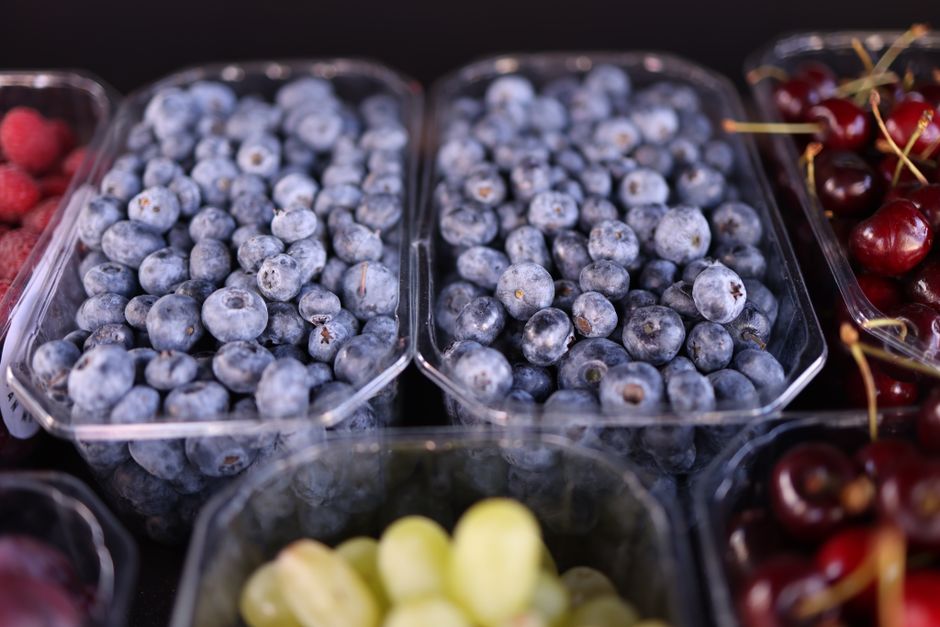
Most women I talk to either avoid fruit entirely or eat it freely without a second thought, and both approaches can stall weight loss.
The direct answer to how much fruit a day for weight loss is 1.5 to 2.5 cups for most women, depending on your total calorie needs. This amount provides essential fiber and nutrients without derailing your deficit. The USDA’s general guidance for adult women is about 1.5 to 2 cups daily, though active women may need closer to 2.5 cups.
Fruit is not your enemy, but it is also not a free food. A cup of fruit averages 60 to 100 calories, and those calories count toward your daily total. The real issue is that most people either eliminate fruit completely or eat far more than they realize.
This article covers what the research actually says about fruit and weight loss, how to portion it correctly, and which fruits give you the most bang for your calorie budget. You will also learn how to fit fruit into your day without guessing.
Key Points at a Glance
| Point | What It Means | Why It Matters |
|---|---|---|
| Daily fruit target | 1.5 to 2.5 cups for adult women | Meets nutrient needs without excess calories |
| Fruit calories count | 60 to 100 calories per cup on average | Prevents unintentional overeating |
| Whole fruit beats juice | Fiber slows digestion and increases fullness | Juice spikes blood sugar and lacks satiety |
| Berries are calorie-efficient | About 60 calories per cup | More volume for fewer calories |
| Timing matters less than total | When you eat fruit matters less than how much | Focus on daily totals, not meal timing |
How Much Fruit a Day for Weight Loss Actually Works
Research consistently shows that higher fruit intake is linked to lower body weight over time. A 2015 study in the journal PLOS Medicine found that increased fruit consumption was associated with modest weight loss, particularly with apples, pears, and berries. The fiber and water content in fruit promote fullness, which helps you eat fewer calories overall.
That said, fruit is not a magic bullet. Weight loss still comes down to total calories. If you eat three cups of grapes as a snack, you are consuming around 300 calories. That is fine if it fits your budget, but it is not a free pass.
What Does One Cup of Fruit Look Like?
One cup of fruit equals about one medium apple, one large banana, or eight large strawberries. For berries and cut fruit, one cup is roughly the size of a closed fist. Dried fruit is the exception — a quarter cup of raisins counts as one cup of fruit because the water is removed and calories are concentrated.
Here is the calorie breakdown for common fruits per one cup serving, based on USDA data:
- Strawberries: about 50 calories
- Blueberries: about 85 calories
- Watermelon: about 45 calories
- Apple (one medium): about 95 calories
- Banana (one large): about 120 calories
- Grapes: about 100 calories
- Orange (one medium): about 65 calories
These numbers vary slightly by size and variety, but they give you a realistic picture. Notice that berries and melon give you more volume for fewer calories than bananas or grapes.
Which Fruits Are Best for Weight Loss?
Berries, apples, pears, and citrus fruits consistently show the strongest links to weight management in observational studies. These fruits are high in fiber and water, which means they fill you up for relatively few calories. A 2015 study in PLOS Medicine specifically identified apples, pears, and berries as the fruits most strongly associated with weight loss.
Higher-sugar fruits like bananas, mangoes, and grapes are not bad for you, but they are calorie-dense. You can absolutely include them in your diet. The key is portion control — half a banana or a small bunch of grapes is a reasonable serving.
Fruit juice is the one thing to avoid during weight loss. Even 100 percent juice lacks the fiber of whole fruit, and it is easy to drink 300 calories without feeling full. A 2019 review in JAMA Network Open found that each additional daily serving of fruit juice was associated with weight gain over time.
How to Fit Fruit Into Your Daily Calorie Budget
Start by calculating your maintenance calories with a TDEE calculator, then subtract 300 to 500 calories for weight loss. Your fruit servings should fit within that deficit. For most women, that means 1.5 to 2 cups of fruit per day is realistic without crowding out other food groups.
Here are some practical ways to distribute your fruit intake:
- Add half a cup of berries to breakfast oatmeal or yogurt
- Pack one medium apple or pear for an afternoon snack
- Use fruit as a dessert substitute — a cup of watermelon or a small orange
- Pair fruit with protein to slow blood sugar response, like apple slices with peanut butter
One thing I see often is people eating fruit alone on an empty stomach and feeling hungry an hour later. Pairing fruit with protein or fat keeps you satisfied longer. That is not a rule — it is just a strategy that works well for most women.
Frequently Asked Questions
Related Articles
Can I eat too much fruit while trying to lose weight?
Yes, because fruit contains calories that count toward your daily total. Eating three or four cups daily can easily add 300 to 400 calories that may prevent a deficit.
Is fruit at night bad for weight loss?
No, eating fruit at night does not cause weight gain by itself. Total daily calories matter far more than the time of day you eat fruit.
Are bananas too high in sugar for weight loss?
Bananas are not too high in sugar, but they are more calorie-dense than berries. One large banana has about 120 calories, so portion control matters.
Does dried fruit count toward my daily fruit intake?
Yes, but a quarter cup of dried fruit equals one cup of fresh fruit. Dried fruit is calorie-dense, so measure it carefully.
Should I avoid fruit juice completely during weight loss?
Yes, whole fruit is a better choice than juice for weight loss. Juice lacks fiber and is easy to overconsume without feeling full.
What is the best time of day to eat fruit?
There is no best time — consistency matters more than timing. Eat fruit when it fits your hunger and schedule, and pair it with protein for better satiety.
Use a TDEE calculator to find your maintenance calories, then plan your fruit intake around that number. That is the most reliable way to make fruit work for your weight loss goals rather than against them.

The TDEECAL Team writes about nutrition, metabolism, and fat loss the way we built our calculator, with real numbers and no hype. We dig into the research so you don’t have to guess.