Lemon water is one of the most-searched weight loss tricks in America, and most people squeeze in either way too little to matter or so much it strips their tooth enamel. The honest answer sits in the middle.
For weight loss, the standard amount is the juice of half a lemon — about 1 to 2 tablespoons — in 8 to 12 ounces of water, once or twice daily. How much lemon to put in your water matters less than what it replaces, though. Lemon water has roughly 2 to 6 calories per glass and no strong clinical evidence that it burns fat on its own.
That last point is where most articles get vague. They imply lemon water is a fat-burning tonic, then list benefits that come from the water, not the lemon. This piece separates the two.
You will get a clear quantity range, the one real mechanism that might help, and the specific situations where more lemon is a bad idea. You will also see where the evidence is genuinely thin, so you can stop chasing a shortcut that is not there.
Key Points at a Glance
| Point | What It Means | Why It Matters |
|---|---|---|
| Standard amount | 1 to 2 tablespoons fresh juice (half a lemon) per 8–12 oz water | Enough for flavor without enamel damage |
| Calorie load | Roughly 2 to 6 calories per glass | Effectively zero — unless you add sweetener |
| Fat burning | No strong clinical evidence lemon itself burns fat | Prevents wasted effort and disappointment |
| Real mechanism | Water and flavor may replace sugary drinks | This is where actual calorie cuts happen |
| Dental limit | Use a straw; rinse after; do not sip all day | Citric acid erodes enamel with repeated exposure |
How Much Lemon to Put in Water for Weight Loss?
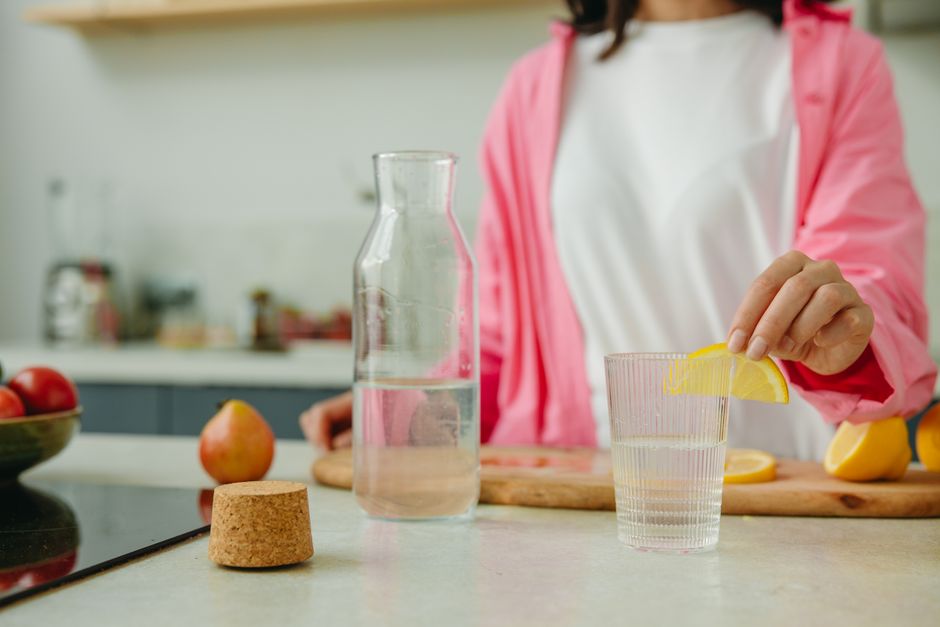
Half a lemon, juiced, in a standard glass of water is the practical target. That is about 1 to 2 tablespoons. Some people prefer a quarter lemon for a milder taste, and that is fine too — you are not losing a meaningful benefit by using less.
What you should avoid is the extreme end. Some social media routines call for the juice of two or three lemons daily. Citric acid is hard on tooth enamel, and drinking highly acidic water throughout the day keeps your mouth in a low-pH state for hours. I keep a straw in my own glass for exactly this reason — it is a small habit that protects your teeth without changing the taste.
Does Lemon Water Actually Help You Lose Weight?
The evidence is mixed, and most of it points to water rather than lemon. Studies on water intake before meals have found modest reductions in calorie intake at that meal. Some research suggests replacing sugar-sweetened beverages with water supports weight loss over time. Neither of those findings is about lemon specifically.
Lemon does contain vitamin C and small amounts of plant compounds. This is often claimed to boost metabolism, though strong clinical evidence for a meaningful calorie-burning effect in humans is still limited. Be skeptical of any article that cites a “metabolism boost” without a human trial behind it.
One thing worth doing: know your actual calorie needs before you build any habit around a drink. Use the TDEE Calculator to estimate your maintenance calories. Lemon water only helps weight loss inside a calorie deficit — it does not create one.
What Are the Real Benefits of Lemon in Water?
The most reliable benefit is behavioral. If lemon makes plain water taste better, you drink more water. And people who drink more water tend to eat slightly less and choose fewer sugary drinks. That chain is where the calories actually get cut.
Lemon also adds a small amount of vitamin C — roughly 10 to 15 percent of daily needs from half a lemon, depending on the fruit’s size. That is a real but modest contribution. It will not transform your health on its own, and it does not replace a varied diet.
When Should You Use Less Lemon?
Cut back if you have sensitive teeth, worn enamel, or acid reflux. Citric acid can aggravate GERD symptoms in some people, and cold lemon water on an empty stomach bothers others. There is no rule that says you must drink it first thing in the morning.
Also skip the lemon if you are prone to kidney stones and have been told to limit citrate sources — talk to your doctor first. And never use lemon water as a meal replacement or a “cleanse.” No established clinical guideline supports juice cleanses, and severe calorie restriction carries real risks.
Related Articles
Frequently Asked Questions
How much lemon should I put in water daily?
The juice of half a lemon — about 1 to 2 tablespoons — once or twice daily is a reasonable amount for most adults. Going beyond that offers no added weight loss benefit and increases acid exposure to your teeth.
Does lemon water burn belly fat?
No strong clinical evidence supports lemon water burning belly fat or targeting fat in any specific area. Fat loss happens through a sustained calorie deficit, not through a particular drink.
Should I drink lemon water before or after meals?
Drinking water before a meal may help you eat slightly less, and some studies support that timing. Lemon itself does not need to be timed around meals for any metabolic reason.
Can lemon water damage your teeth?
Yes, repeated exposure to citric acid can erode tooth enamel over time. Use a straw, avoid sipping it all day, and rinse with plain water afterward to reduce the risk.
Is bottled lemon juice as good as fresh?
Bottled lemon juice works and has a similar calorie count, though it contains less vitamin C than fresh. Check the label for added sugar or preservatives before buying.
How many calories are in lemon water?
A glass of water with the juice of half a lemon has roughly 2 to 6 calories. Any sweetener, honey, or flavored syrup you add will raise that number significantly.

The TDEECAL Team writes about nutrition, metabolism, and fat loss the way we built our calculator, with real numbers and no hype. We dig into the research so you don’t have to guess.