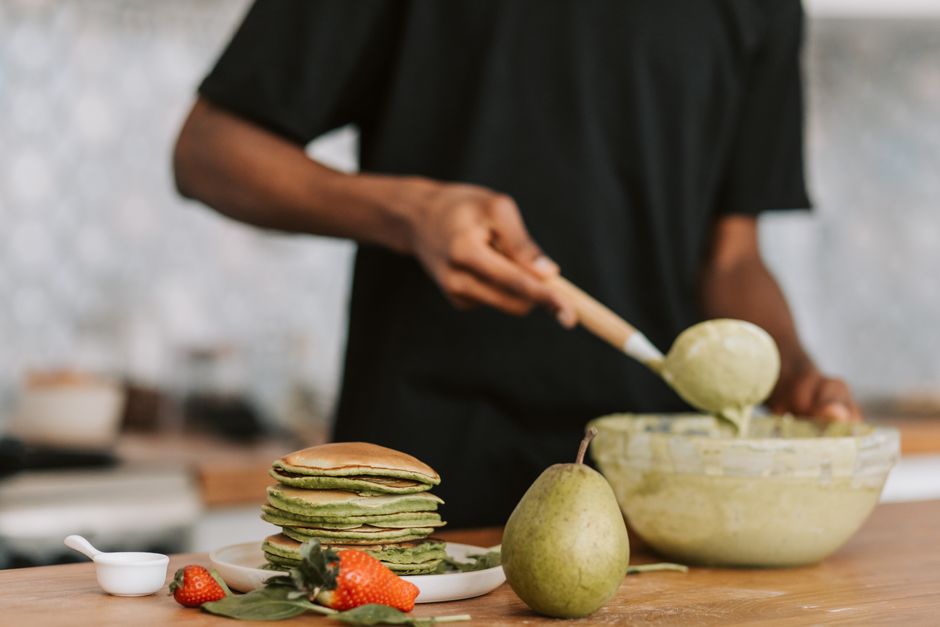
Chilla — the thin Indian lentil or gram pancake — is one of the most searched breakfast swaps among women trying to lose weight, and the choice between varieties matters more than most people think.
Besan chilla is generally the best chilla for weight loss. It delivers roughly 6 grams of protein per pancake, has a low glycemic impact compared to rice or potato-based options, and keeps you full longer than moong dal or oats chilla. Pair it with vegetables and a lean protein side for the strongest result.
Most search results list every chilla as “healthy” and move on. That leaves you without a real answer. The differences between besan, moong dal, oats, and rice chilla are real — in protein, fiber, and how quickly they spike blood sugar.
This article breaks down which chilla is best for weight loss using USDA figures, explains how cooking method changes the math, and covers the mistakes that quietly add 200 calories to a breakfast you thought was clean.
Key Points at a Glance
| Point | What It Means | Why It Matters |
|---|---|---|
| Besan chilla leads on protein | About 6g protein per pancake vs 3–4g for moong dal | Higher protein supports satiety and muscle retention during a deficit |
| Oil is the biggest variable | One extra teaspoon of oil adds roughly 40 calories | Three oily chillas can quietly add 120+ calories to breakfast |
| Vegetables change the fiber math | Adding spinach, onion, or grated zucchini raises fiber and volume | More volume at the same calories means you feel fuller |
| Portion still controls outcome | Two chillas is a meal; five is a calorie surplus | No chilla variety overrides total daily calorie intake |
Which Chilla Is Best for Weight Loss and Why?
Besan chilla wins on the numbers. A single besan chilla made with about 30 grams of gram flour lands near 110 calories with roughly 6 grams of protein and 3 grams of fiber, based on USDA data for chickpea flour. That protein-to-calorie ratio is stronger than most Indian breakfast options.
Moong dal chilla is a close second. It has a gentler texture and roughly 3 to 4 grams of protein per pancake, depending on how thick you pour it. Oats chilla brings beta-glucan fiber, which some studies suggest supports satiety, but it usually needs added besan or egg to hold together and hit a useful protein number.
How Do Besan, Moong Dal, and Oats Chilla Compare?
Here is the honest comparison, using conservative estimates. Figures vary by brand, grind size, and how much water you use.
- Besan chilla: roughly 110 calories, 6g protein, 3g fiber per pancake
- Moong dal chilla: roughly 100 calories, 3–4g protein, 2g fiber per pancake
- Oats chilla: roughly 120 calories, 4g protein, 2–3g fiber per pancake
- Rice chilla (dosa-style): roughly 130 calories, 2g protein, under 1g fiber per pancake
Rice chilla is the weakest choice for weight loss. It is low in protein, low in fiber, and digests quickly. That combination tends to leave you hungry again within two hours — which is exactly the pattern that derails a deficit.
One cook’s note from my own kitchen: moong dal chilla batter needs a longer soak than most recipes say. I soak six hours minimum. Shorter soaks give a gritty texture that makes people abandon the recipe entirely.
Does Cooking Method Change the Calories?
Yes — more than the chilla variety does. A dry nonstick pan needs about half a teaspoon of oil per chilla. A traditional tawa with a generous pour can take two teaspoons or more. That difference alone is roughly 60 calories per pancake.
Over a three-chilla breakfast, that is nearly 200 extra calories. It is the single most common reason a “healthy” chilla breakfast stalls weight loss. Use a brush or spray instead of pouring, and preheat the pan properly so the batter releases without extra fat.
What Should You Eat With Chilla to Support Weight Loss?
Chilla alone is a carbohydrate-forward meal. Adding a protein side makes a measurable difference to satiety. A bowl of plain curd, two egg whites, or a small serving of paneer pushes the meal’s protein total toward 20 grams.
Fill half the pan with vegetables — spinach, grated carrot, onion, coriander. This adds fiber and volume at almost no calorie cost. Research consistently shows that higher-volume, higher-fiber meals reduce later intake, which matters more than any single ingredient choice.
Skip the potato filling and the sweet chutney. Both add calories fast without adding protein or fiber. A spoon of mint chutney is fine; three spoons of tamarind chutney is dessert.
Related Articles
Frequently Asked Questions
Which chilla is best for weight loss?
Besan chilla is generally the best choice because it has the highest protein-to-calorie ratio of the common varieties, at roughly 6 grams of protein per pancake. Moong dal chilla is a reasonable second option.
How many calories are in one besan chilla?
One besan chilla made with about 30 grams of gram flour and minimal oil is roughly 110 calories. The figure rises with added oil, so cooking method changes the total noticeably.
Is chilla good for weight loss dinner?
Yes, chilla works as a light dinner if you pair it with a protein side such as curd or paneer. Two chillas with vegetables and a protein side is a reasonable meal size for most adults.
Can I eat chilla every day while losing weight?
Yes, daily chilla fits within a calorie deficit as long as your total daily intake stays on target. Variety in vegetables and protein sides matters more than avoiding chilla itself.
Is oats chilla better than besan chilla for weight loss?
Besan chilla generally edges out oats chilla on protein content, which supports satiety during a deficit. Oats chilla is a fine option but usually needs added besan or egg to reach a useful protein level.
Why is my chilla not helping me lose weight?
The most common cause is oil quantity and portion size rather than the chilla variety itself. Measure your oil once and check your total daily calories against your maintenance needs.

The TDEECAL Team writes about nutrition, metabolism, and fat loss the way we built our calculator, with real numbers and no hype. We dig into the research so you don’t have to guess.