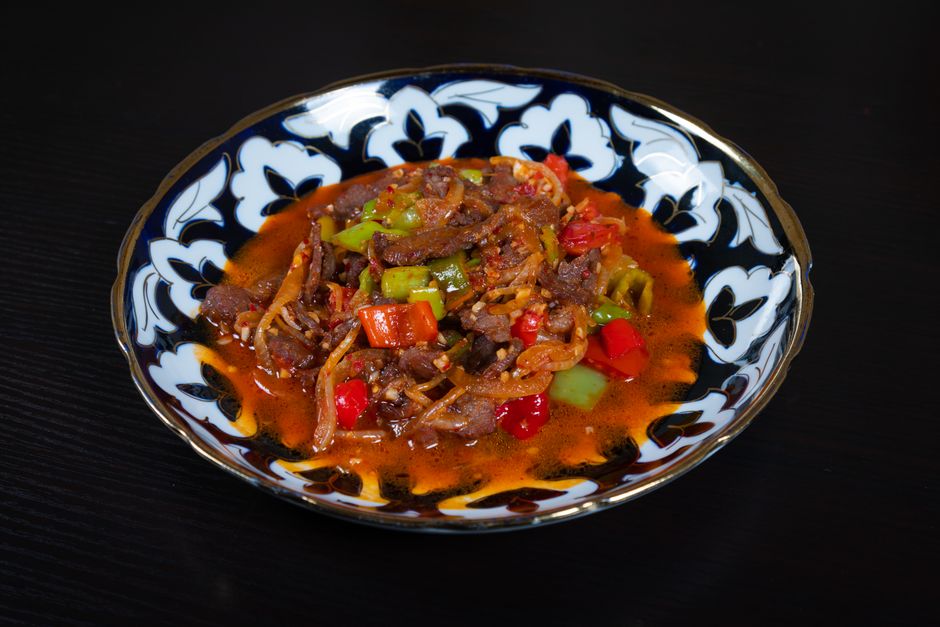
Most home cooks default to chicken for weight loss, but lean beef can be just as effective when prepared the right way. A 3-ounce serving of cooked lean beef delivers about 22 grams of protein for roughly 180 calories, which helps you feel full longer and preserves muscle while you lose fat.
How to cook beef for weight loss comes down to choosing lean cuts, trimming visible fat, and using dry-heat methods like grilling, broiling, or pan-searing with minimal oil. Skip the heavy sauces and butter-based marinades, and you get a satisfying, high-protein meal that fits comfortably in a calorie deficit.
This guide walks you through the best cuts, the fastest cooking methods, and a simple weeknight recipe that works whether you are tracking macros or just trying to eat a little better. You will also learn which cooking mistakes quietly add hundreds of calories to an otherwise lean piece of meat.
Is How to Cook Beef for Weight Loss Good for a Calorie Deficit?
Yes, beef works well in a calorie deficit because protein is the most satiating macronutrient. Research consistently shows that higher-protein meals reduce hunger hormones and increase fullness, which makes it easier to eat fewer calories without feeling deprived.
Beef also provides iron, zinc, and B vitamins — nutrients that are sometimes low in restricted diets. The key is portion control and cooking method, since a fatty cut cooked in butter can easily double the calories of the same portion cooked dry.
One honest caveat: beef is higher in saturated fat than chicken or fish, so it is best enjoyed a few times per week rather than daily. I always pat my steaks dry with paper towels before cooking — it helps them brown better and means you need less oil in the pan.
Best Lean Cuts of Beef for Weight Loss
Not all beef is created equal when you are watching calories. The leanest cuts come from the round and loin areas of the animal, where the muscles do less work and therefore carry less marbling.
Look for these cuts at the grocery store:
- Sirloin steak — about 4 grams of fat per 3-ounce serving
- Eye of round — one of the leanest cuts available
- Top round roast — great for slow cooking or slicing thin
- 93% lean ground beef — check the label, as percentages vary
- Flank steak — flavorful but needs proper slicing against the grain
- Tenderloin — lean but pricier than other options
When you buy ground beef, the label tells you the lean-to-fat ratio. A 93% lean blend has roughly 7 grams of fat per serving, while 80% lean has about 15 grams — that difference adds up to more than 70 calories per serving.
How to Cook Beef for Weight Loss Step by Step
This simple pan-seared sirloin recipe takes under 20 minutes and works for busy weeknights. The technique gives you a nicely browned crust without drowning the meat in oil.
Pan-Seared Sirloin with Garlic and Rosemary
Ingredients
- 1.5 pounds sirloin steak, trimmed of visible fat
- 1 teaspoon kosher salt
- 1/2 teaspoon black pepper
- 1 tablespoon olive oil
- 3 cloves garlic, smashed
- 2 sprigs fresh rosemary
- 1 tablespoon balsamic vinegar
This recipe relies on a hot pan and a short cook time rather than heavy sauces. The balsamic vinegar adds brightness at the end without adding sugar or extra fat.
Instructions
- Take the steak out of the fridge 20 minutes before cooking so it comes to room temperature. Pat it dry with paper towels — this step matters for browning.
- Season both sides generously with salt and pepper. Do not be shy; most of the seasoning stays on the surface of the meat.
- Heat a cast-iron or heavy stainless steel skillet over medium-high heat for 3 minutes. Add the olive oil and swirl to coat the pan.
- Place the steak in the pan and press down gently. Let it cook undisturbed for 4 minutes to develop a brown crust.
- Flip the steak and add the smashed garlic and rosemary to the pan. Cook for another 4 minutes for medium-rare, or 5-6 minutes for medium.
- Add the balsamic vinegar to the pan and swirl it around for 30 seconds. This deglazes the pan and creates a quick, light pan sauce.
- Transfer the steak to a cutting board and let it rest for 5 minutes before slicing. Resting keeps the juices in the meat.
- Slice against the grain into thin strips and serve with the pan juices spooned over the top.
Nutrition Facts
Nutrition Facts
Per serving (4 oz cooked)
Nutrition estimates based on USDA FoodData Central data. Values may vary by brand or ingredient substitution.
If you are tracking your daily intake, use a TDEE calculator to figure out your maintenance calories and target deficit. That number tells you how many servings like this fit into your day.
Substitutions and Variations
| Original | Swap | Why It Works |
|---|---|---|
| Sirloin steak | Flank steak or eye of round | Both are lean cuts with similar protein content; flank needs thinner slicing |
| Olive oil | Cooking spray or dry pan | Cuts about 60 calories per serving if you skip the oil entirely |
| Rosemary and garlic | Chili powder and cumin | Gives the beef a Southwestern flavor without adding calories |
| Pan-seared | Grilled on a gas or charcoal grill | Grilling lets excess fat drip away and adds smoky flavor for free |
| Balsamic vinegar | Fresh lemon juice | Adds acidity to brighten the dish with zero added sugar |
For a dairy-free or vegan option, swap the beef for a thick portobello mushroom cap and follow the same cooking method. The mushroom provides a meaty texture with about 20 calories per serving, though the protein drops significantly.
Storage and Make-Ahead Tips
- Store cooked beef in an airtight container in the fridge for up to 4 days.
- Freeze cooked, sliced beef in a single layer on a baking sheet, then transfer to a freezer bag for up to 3 months.
- Reheat gently in a skillet over medium heat with a splash of water or broth to keep the meat moist. Avoid the microwave unless you like rubbery beef.
- Cook extra steak on Sunday and slice it thin for salads, wraps, or quick stir-fries during the week.
- Marinate lean cuts like flank or round for 2-4 hours before cooking to improve tenderness without adding fat.
Common Mistakes That Add Calories
Even a lean cut becomes a diet problem with the wrong preparation. The most common mistake is adding butter at the end of cooking — that single tablespoon adds 100 calories and 11 grams of fat. A second mistake is using a heavy marinade or store-bought sauce, which often contains significant sugar.
Another issue is portion distortion. A standard restaurant serving of beef is often 8 to 12 ounces, which is double or triple a proper serving. Weigh your portions at home for the first few weeks until you can eyeball a 3 to 4 ounce portion accurately.
Related Articles
Frequently Asked Questions
What is the best way to cook beef for weight loss?
Grilling, broiling, roasting, and pan-searing with minimal oil are the best methods because they do not add extra fat. Avoid deep-frying or cooking beef in butter, which can double the calorie count of a lean cut.
How many calories are in a serving of lean beef?
A 3-ounce serving of cooked lean beef like sirloin or round contains roughly 150 to 180 calories and about 22 grams of protein. Ground beef labeled 93% lean is similar, while fattier cuts can reach 250 calories or more per serving.
Can I eat beef every day while trying to lose weight?
Eating lean beef daily is possible if it fits your calorie target, but most nutrition guidance suggests varying your protein sources. Some research links high red meat intake to health risks, so aim for a mix of beef, poultry, fish, and plant proteins across the week.
Does trimming fat from beef before cooking reduce calories?
Trimming visible fat before cooking reduces calories because you remove fat that would otherwise render into the meat. A 3-ounce serving of well-trimmed sirloin has about 30 fewer calories than the same cut with visible fat left on.
Is ground beef good for weight loss?
Ground beef can work for weight loss if you choose 93% lean or leaner and measure your portions carefully. The same cooked portion of 80% lean ground beef has roughly 70 more calories than 93% lean, so the label matters.
How much beef should I eat per meal for weight loss?
A serving of 3 to 4 ounces of cooked beef is appropriate for most people in a calorie deficit, providing 22 to 33 grams of protein. Pair it with vegetables and a small portion of whole grains to round out the meal without exceeding your calorie goal.

The TDEECAL Team writes about nutrition, metabolism, and fat loss the way we built our calculator, with real numbers and no hype. We dig into the research so you don’t have to guess.