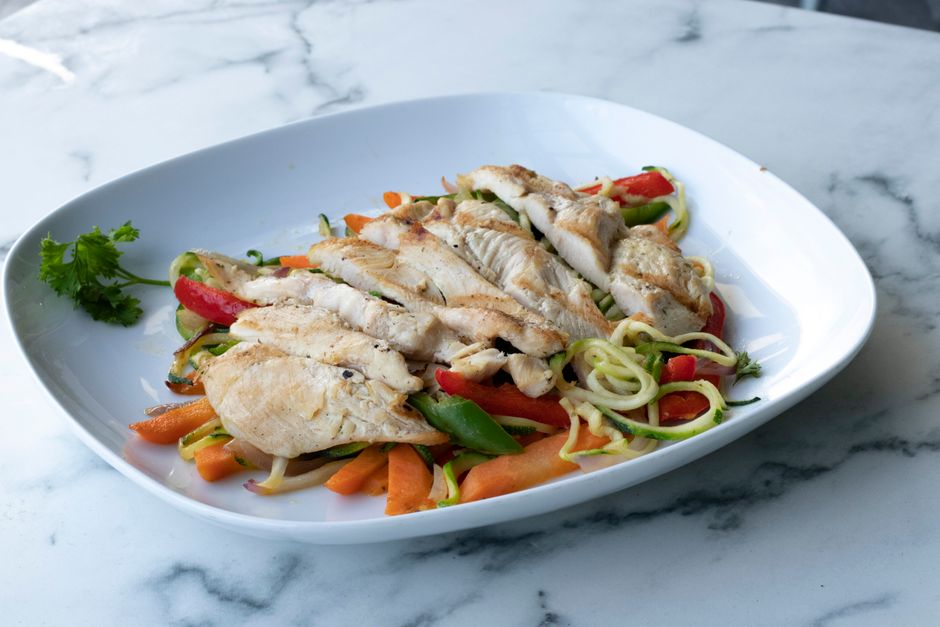
Frozen diet dinners line grocery store freezers with promises of portion control, yet many women find themselves hungry an hour later and confused about whether these meals actually help or hurt their weight loss efforts.
Is Lean Cuisine good for weight loss? The short answer is yes, but with important caveats. Lean Cuisine meals can support weight loss because they provide controlled portions and calorie counts typically between 200 and 400 calories per entree, which makes tracking intake straightforward. However, their effectiveness depends on how you use them within your overall daily calorie needs, and some options are significantly better than others.
Most women I talk to assume all frozen diet meals are created equal. They are not. The difference between choosing a high-protein, fiber-rich option versus one loaded with sodium and refined carbohydrates can mean the difference between feeling satisfied and raiding the pantry at 9 PM.
This guide breaks down what the nutrition labels actually tell you, which meals are worth your money, and how to build a sustainable weight loss approach around frozen entrees without feeling deprived. You will also learn why the TDEE Calculator is a crucial tool for making these meals work for your specific body.
Key Points at a Glance
| Point | What It Means | Why It Matters |
|---|---|---|
| Calorie control | Most entrees range from 200-400 calories | Makes portion tracking simple and accurate |
| Protein content | Varies widely from 10g to 25g per meal | Higher protein keeps you full longer |
| Sodium levels | Often exceeds 600mg per serving | Can cause bloating and water retention |
| Fiber content | Usually low, around 3-5g per meal | Low fiber means quicker hunger return |
| Nutritional balance | Some meals lack vegetables or whole grains | You may need to add sides for satiety |
What Does the Nutrition Label Really Tell You?
Reading a Lean Cuisine label requires more than glancing at the calorie count. The protein-to-calorie ratio matters most for weight loss. A meal with 300 calories and 20 grams of protein will keep you satisfied far longer than one with 300 calories and 10 grams of protein.
Check the fiber content next. Most Lean Cuisine entrees provide only 3 to 5 grams of fiber, which falls short of the 25 to 30 grams recommended daily. I always tell clients to pair these meals with a side salad or steamed vegetables to boost fiber and volume without adding many calories.
Sodium deserves scrutiny too. Many frozen meals contain 600 to 900 milligrams of sodium per serving, which is roughly a third to half of the recommended daily limit. This can cause temporary water retention and bloating on the scale, even when you are losing actual fat.
One thing I notice constantly is people choosing meals based on the picture on the box rather than the nutrition facts. The packaging often makes portions look larger than they really are. Check the actual gram weight and protein grams before you buy.
My rule of thumb: choose Lean Cuisine meals with at least 15 grams of protein and under 600 milligrams of sodium. Add a cup of steamed broccoli or a side salad to every meal. This simple combination makes the meal far more satisfying.
Which Lean Cuisine Meals Are Best for Weight Loss?
The best choices for weight loss are the ones with the highest protein and fiber relative to calories. The Chicken and Vegetable Stir Fry and the Grilled Chicken with Rice and Vegetables typically offer better macros than pasta-based options. The protein-based meals generally range from 250 to 320 calories with 15 to 25 grams of protein.
The pasta dishes, like the Five Cheese Rigatoni or the Chicken Fettuccine, tend to be lower in protein and higher in refined carbohydrates. They clock in around 300 to 350 calories but often leave you hungry within two hours. That hunger usually leads to extra snacking later, which can erase the calorie deficit you created.
Research published in the American Journal of Clinical Nutrition found that higher protein meals increase satiety and reduce subsequent food intake compared to lower protein meals with the same calorie count. This is why choosing the higher protein frozen options matters more than simply picking the lowest calorie meal on the shelf.
Some research suggests that meal replacements and portion-controlled meals can support weight loss in the short term. The key is whether you can maintain that approach long enough to see meaningful results. Frozen meals work best as a tool, not a permanent solution.
Look for the newer Lean Cuisine lines that emphasize higher protein content. Some options now offer 20 grams or more of protein per serving. These are worth seeking out over the older, carb-heavy classics.
How Do You Fit Lean Cuisine Into Your Daily Calorie Target?
Frozen meals only work if they fit within your total daily calorie needs. Your personal target depends on your age, height, weight, and activity level. A 45-year-old woman who exercises three times weekly needs more calories than a sedentary 60-year-old, even if they weigh the same.
Use the TDEE Calculator to determine your maintenance calories, then subtract 300 to 500 calories for weight loss. A Lean Cuisine meal at 300 calories works well as a lunch or dinner component within that framework, provided you are not eating multiple frozen meals daily.
Most women I work with find that one frozen meal per day works well, usually at lunch when time is tight. They pair it with a piece of fruit or a small salad to round out the meal. This approach keeps the calorie math simple without making every meal feel like a diet meal.
Be honest about what you add to the meal. A drizzle of olive oil, a handful of cheese, or a side of bread adds calories that are easy to forget. Track everything, including the extras, if you want accurate results.
I always emphasize that no single food determines weight loss success. Your total daily intake and consistency matter far more than whether you eat frozen meals or freshly prepared food. Lean Cuisine is simply a convenient tool that makes portion control easier.
What Are the Downsides You Should Know About?
The main downside of relying heavily on Lean Cuisine is the high sodium content. Regular consumption of high-sodium meals can contribute to elevated blood pressure over time, especially for women over 50 who are already at higher risk. This does not mean you cannot eat them, but it means you should balance your other meals with fresh, low-sodium foods.
The portion sizes are genuinely small by American restaurant standards. A 250-calorie entree may not satisfy someone accustomed to larger portions. This can trigger feelings of deprivation that lead to overeating later in the evening.
Another consideration is the cost. Individually packaged frozen meals cost more per serving than cooking from scratch. If you eat them daily, the weekly grocery bill adds up compared to batch-cooking chicken and rice at home.
Some nutrition experts argue that relying on processed foods, even calorie-controlled ones, does not teach the cooking skills and food habits needed for long-term maintenance. This is a valid point. Use frozen meals as a bridge while you build confidence in the kitchen, not as a permanent crutch.
Is Is Lean Cuisine Good for Weight Loss Compared to Other Options?
Compared to restaurant takeout or fast food, Lean Cuisine is generally a better choice for weight loss because the calorie counts are known and controlled. A typical restaurant entree can range from 800 to 1,500 calories, far exceeding what most women need in a single meal. The frozen option eliminates that guesswork.
Compared to homemade meals, the answer is more nuanced. A home-cooked meal with lean protein, vegetables, and whole grains can be equally low in calories while providing more fiber and less sodium. However, that only works if you have the time, skill, and motivation to cook regularly.
Some studies indicate that commercial meal replacements and portion-controlled meals produce greater short-term weight loss than self-selected diets. The structure helps people adhere to their calorie targets. The challenge is maintaining that structure once you stop using the products.
The evidence is mixed on whether one brand of frozen meals outperforms another. What matters more is the specific meal you choose and how it fits into your overall eating pattern. A higher protein Lean Cuisine meal can absolutely be part of a successful weight loss plan.
Related Articles
Frequently Asked Questions
Can you lose weight eating Lean Cuisine every day?
Yes, you can lose weight eating Lean Cuisine daily if the total calories fit within your daily deficit. However, the high sodium and low fiber content makes this approach hard to sustain long-term.
How many calories are in a typical Lean Cuisine meal?
Most Lean Cuisine entrees range from 200 to 400 calories per package. The exact count varies by product, so always check the label before purchasing.
Are Lean Cuisine meals healthy for you?
Some options are healthier than others, with higher protein varieties being the better choices. The main concerns are sodium levels and lower fiber content compared to freshly prepared meals.
What is the best Lean Cuisine for weight loss?
Choose meals with at least 15 grams of protein and under 600 milligrams of sodium per serving. The grilled chicken and vegetable-based options generally offer the best nutritional profile.
Can Lean Cuisine cause weight gain?
Lean Cuisine itself does not cause weight gain, but eating multiple meals daily without tracking can exceed your calorie needs. The small portions may also lead to overeating later if you feel unsatisfied.

The TDEECAL Team writes about nutrition, metabolism, and fat loss the way we built our calculator, with real numbers and no hype. We dig into the research so you don’t have to guess.