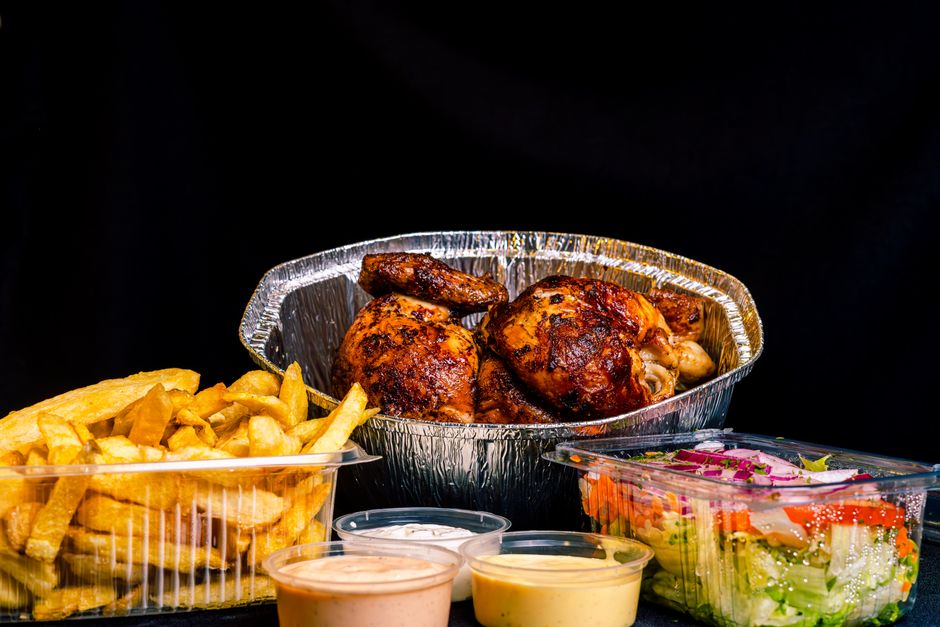
The most reliable way to eat chicken for weight loss is to choose lean cuts like skinless breast, control your portion to roughly the size of your palm, and prepare it with minimal added fat. Baking, grilling, or air-frying beats frying every time, and a simple marinade of acid and herbs adds flavor without calorie bombs. The method matters more than the meat itself.
Most generic advice stops at “eat more protein,” which ignores the practical traps that trip people up. This guide covers portion control, cooking methods, and how to keep chicken interesting so you do not fall back on takeout by Thursday night.
Key Points at a Glance
| Point | What It Means | Why It Matters |
|---|---|---|
| Choose lean cuts | Skinless chicken breast is the lowest-calorie option per serving. | Dark meat with skin adds 100+ calories per serving without more fullness. |
| Watch your portion | One serving is roughly 3 to 4 ounces, about the size of your palm. | Even lean chicken pushes you past your calorie target if portions creep up. |
| Cook with little fat | Grill, bake, or air-fry instead of frying. | Breading and oil add calories you cannot see or taste as clearly. |
| Pair it with vegetables | Fill half your plate with non-starchy veggies alongside chicken. | This keeps you full and lowers the calorie density of the whole meal. |
| Plan for variety | Rotate marinades and cooking methods to prevent boredom. | Repetitive meals lead to takeout cravings and diet abandonment. |
How Much Chicken Should You Eat Per Meal?
A standard serving of cooked chicken breast is 3 to 4 ounces, which delivers roughly 26 to 35 grams of protein for about 140 to 180 calories. That portion fits most weight loss meal plans without pushing your daily calorie total too high.
Your protein needs depend on your weight, activity level, and age. Research consistently shows that higher protein intake helps preserve muscle while you lose fat, but the exact number varies. A reasonable target for most women in this age group is 20 to 30 grams of protein per meal, which one serving of chicken easily covers.
I always tell people to measure chicken for the first two weeks. Most folks underestimate a portion by half, and that alone can add 200 calories a day without anyone noticing.
What Is the Best Way to Cook Chicken for Weight Loss?
Baking, grilling, roasting, and air-frying are the best methods because they require little to no added oil. A 4-ounce skinless chicken breast baked or grilled stays around 165 to 180 calories, while the same piece breaded and fried can reach 300 calories or more.
The problem with frying is not just the oil. The breading absorbs additional fat, and the coating itself adds refined carbohydrates that spike blood sugar and leave you hungry sooner. Some studies suggest that people who regularly eat fried foods tend to have higher calorie intakes overall, even when they try to compensate elsewhere.
One cooked-in note from my own kitchen: I always pat the chicken dry with paper towels before seasoning. Dry skin and surfaces brown better with less oil, and that simple step cuts the fat you need to use by half.
How to Eat Chicken for Weight Loss Without Getting Bored
Boredom is the silent killer of most diet plans. Eating plain grilled chicken every day works for about four days, and then the takeout menu starts looking very appealing.
Rotate three or four preparation styles across the week. Shredded chicken in lettuce wraps, sliced breast over a big salad, cubed chicken in a vegetable stir-fry, and roasted thighs (skin removed) with herbs all count as smart choices. The key is varying texture and seasoning, not just eating the same baked breast repeatedly.
Marinades are your best friend here. A mixture of lemon juice, garlic, and herbs adds flavor for almost no calories. Avoid bottled sauces labeled “teriyaki” or “honey garlic” unless you check the label — many contain 10 to 15 grams of sugar per serving, which turns a healthy meal into a dessert.
Does Chicken Skin Ruin Weight Loss Progress?
Chicken skin is not a moral failure, but it does add significant calories. A 4-ounce serving of chicken breast with skin has roughly 210 calories, compared to about 165 without skin, and the difference comes almost entirely from fat.
You do not need to eliminate skin forever. The evidence shows that total calorie intake matters more than any single food choice. If you eat skinless chicken most of the time, an occasional roasted thigh with skin fits perfectly fine into a weight loss plan.
The real trap is portion distortion. People who allow skin often allow larger portions, and that combination pushes a reasonable meal into a 600-calorie plate. Keep the serving size honest and the skin becomes a minor detail rather than a dealbreaker.
Frequently Asked Questions
Related Articles
Is chicken breast or chicken thigh better for weight loss?
Chicken breast is lower in calories and fat, making it the better choice for weight loss. A 4-ounce skinless breast has about 165 calories, while the same size thigh has roughly 180 calories with more fat.
Can I eat chicken every day while trying to lose weight?
Yes, eating chicken daily is fine as long as your total calorie intake stays within your target range. Variety in vegetables and grains matters more than avoiding repetition with your protein source.
How many calories are in a typical chicken breast?
A 4-ounce cooked skinless chicken breast contains roughly 165 to 180 calories and about 26 grams of protein. The exact number varies slightly based on cooking method and whether the meat is trimmed of visible fat.
Is fried chicken completely off-limits for weight loss?
Fried chicken is not off-limits, but it should be an occasional treat rather than a regular choice. The breading and oil add 150 or more calories per serving, so account for that difference in your daily total.
What should I eat with chicken to lose weight faster?
Pair chicken with non-starchy vegetables and a small serving of whole grains or legumes. This combination maximizes fullness and provides fiber that supports digestion and appetite control.
Does eating chicken at night affect weight loss?
Eating chicken at night does not directly cause weight gain, since total daily calories matter more than timing. A lean protein dinner may actually help you feel satisfied and reduce late-night snacking.
To calculate your personal calorie target for weight loss, use our TDEE Calculator to find the number that fits your body and activity level.

The TDEECAL Team writes about nutrition, metabolism, and fat loss the way we built our calculator, with real numbers and no hype. We dig into the research so you don’t have to guess.