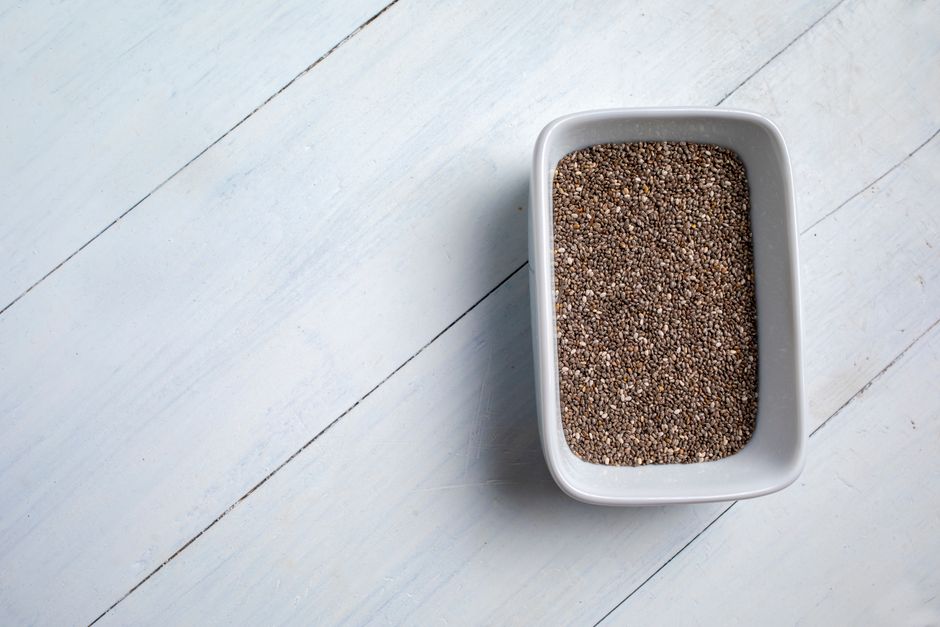
What Is the Best Way to Use Black Chia Seeds for Weight Loss?
Black chia seeds absorb up to 12 times their weight in water. That simple property is the main reason they show up in so many weight loss plans. The gel they form slows digestion, which helps you feel full longer after a meal.
To use black chia for weight loss, the most effective method is to soak 1 to 2 tablespoons in 8 to 10 ounces of liquid for at least 15 minutes before eating. Soaking is critical because dry chia seeds can swell in your throat and cause discomfort if swallowed without liquid. You can mix them into water, unsweetened almond milk, or plain yogurt. The resulting gel adds bulk to your meal without adding many calories.
Most generic advice tells you to sprinkle chia on everything. That misses the point. The real benefit comes from the gel formation, which only happens when the seeds are properly hydrated. This article covers the specific timing, portion sizes, and preparation methods that actually make a difference for appetite control. We will also look at what the evidence really says about chia and weight loss, so you know what to expect.
Key Points at a Glance
| Point | What It Means | Why It Matters |
|---|---|---|
| Soak before eating | Mix 1–2 tablespoons with 8–10 ounces of liquid for 15+ minutes | Prevents throat discomfort and creates the fullness gel |
| Portion control | About 2 tablespoons per day is a reasonable starting point | Chia is calorie-dense at roughly 138 calories per 2 tablespoons |
| Timing matters | Eat chia 20–30 minutes before a meal | This gives the gel time to expand in your stomach |
| Pair with protein | Combine chia with Greek yogurt or protein powder | Protein plus fiber together suppress hunger more effectively |
| Hydration is key | Drink extra water throughout the day | Chia pulls water into your digestive tract, so you need more fluids |
How Many Calories Are in Black Chia Seeds?
Two tablespoons of black chia seeds contain roughly 138 calories, 4.7 grams of protein, and 11 grams of fiber. That fiber content is the standout number. It represents nearly 40 percent of the daily fiber recommendation for most women.
The calorie count is not trivial. Chia seeds are energy-dense, which means they can work against you if you eat them carelessly. A handful of dry seeds here and there adds up quickly. Measuring your portions matters for weight loss.
The fiber in chia is mostly soluble fiber. Soluble fiber forms a gel in your digestive tract. This gel slows the emptying of your stomach, which delays the return of hunger. Some research suggests that eating soluble fiber before meals reduces overall calorie intake at that meal.
One specific observation from my kitchen: I weigh my chia seeds rather than using a spoon. A “tablespoon” from a packed jar can actually hold 50 percent more than a level spoon. That difference matters when you are counting calories.
How to Use Black Chia Seeds for Weight Loss in Daily Meals
The most reliable way to use black chia for weight loss is to add it to a meal you already eat, rather than treating it as a separate snack. Overnight oats are the easiest starting point. Combine 2 tablespoons of chia with 1/2 cup of rolled oats, 1 cup of unsweetened almond milk, and a dash of cinnamon. Let it sit in the fridge overnight. In the morning, you have a breakfast that holds you for hours.
A chia pudding is another strong option. Mix 3 tablespoons of chia with 1 cup of unsweetened coconut milk and a small amount of vanilla extract. Stir thoroughly, wait 5 minutes, then stir again to break up any clumps. Refrigerate for at least 2 hours. The result is a dessert-like texture with about 300 calories and 15 grams of fiber.
You can also add chia to smoothies. The seeds thicken the drink slightly, which slows down how fast you consume it. That slower drinking pace gives your brain more time to register fullness. Add 1 tablespoon to a green smoothie and blend for an extra 30 seconds to ensure the seeds are evenly distributed.
What Does the Research Say About Chia and Weight Loss?
The evidence on chia seeds for weight loss is mixed. Some studies show modest benefits for appetite control, while others find no significant weight loss difference compared to placebo. A review of clinical trials published in the journal *Nutrients* concluded that chia seed consumption did not consistently produce meaningful weight loss on its own.
The honest takeaway is that chia seeds are a useful tool, not a solution. They help with satiety, which can reduce snacking and portion sizes. But no study has shown that adding chia to an unchanged diet produces significant weight loss. The seeds work best when they replace higher-calorie foods or help you stick to a calorie deficit.
One area where evidence is more consistent is blood sugar control. Several studies have found that chia seeds slow the rise in blood sugar after a meal. This effect supports stable energy levels and fewer cravings between meals. That is a real benefit, even if the scale does not move dramatically.
The realistic expectation is this: chia can help you feel fuller and eat less, but it will not override a diet that is too high in calories. Think of it as a supportive habit, not a magic bullet.
Are There Risks to Eating Black Chia Seeds Daily?
Chia seeds are safe for most people when consumed in normal food amounts. The main risk is choking if you eat them dry. Because they expand rapidly in liquid, dry seeds can swell in your esophagus and cause blockage. Always soak them or mix them thoroughly into moist food.
Digestive discomfort is another common issue. The high fiber content can cause bloating, gas, or cramping if you increase your intake too quickly. Start with 1 teaspoon per day and gradually work up to 2 tablespoons over a week or two. Drink extra water throughout the day to help the fiber move through your system.
People taking blood pressure or blood sugar medications should check with their doctor. Chia seeds may enhance the effects of these medications, which could lead to levels that drop too low. This interaction is rare but worth mentioning to your healthcare provider.
If you have a history of swallowing difficulties or esophageal narrowing, avoid chia seeds entirely. The gel-forming property that makes them helpful for appetite also makes them risky for people with these conditions.
Frequently Asked Questions
Related Articles
Should I eat black chia seeds dry or soaked?
Always soak black chia seeds before eating. Dry seeds can expand in your throat and cause choking or blockage.
How much black chia should I eat per day for weight loss?
Two tablespoons per day is a reasonable target for most women. Start with 1 teaspoon daily and increase gradually to avoid digestive discomfort.
When is the best time to eat chia seeds?
Eating chia 20 to 30 minutes before a meal helps reduce appetite. You can also add them to breakfast for longer-lasting fullness through the morning.
Can black chia seeds cause weight gain?
Yes, if you eat too many. Two tablespoons contain about 138 calories, so eating several servings adds up quickly without providing much extra fullness.
Do chia seeds need to be ground for weight loss benefits?
No, whole seeds work fine for appetite control because they form a gel when soaked. Grinding helps release more nutrients but is not necessary for the fullness effect.
Can I drink chia seeds in water every day?
Yes, a chia water drink is safe for daily consumption. Just make sure the seeds are fully hydrated before drinking and that you stay well-hydrated throughout the day.
Check your current calorie needs with our free TDEE Calculator to see how chia fits into your daily budget. Knowing your maintenance calories makes it easier to plan meals that keep you in a sustainable deficit.

The TDEECAL Team writes about nutrition, metabolism, and fat loss the way we built our calculator, with real numbers and no hype. We dig into the research so you don’t have to guess.