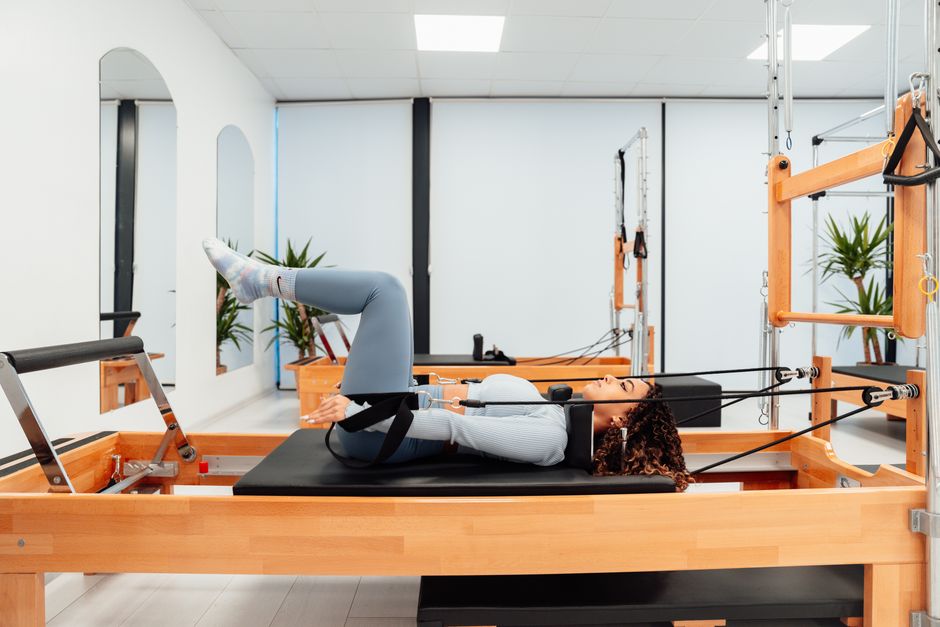
You have probably seen the Pilates mat rolled out in a thousand living room videos, but you might still wonder if it actually moves the scale.
Yes, at home Pilates is good for weight loss when combined with a calorie deficit, though it burns fewer calories per session than running or cycling. A 150-pound person burns roughly 180 to 240 calories in a 50-minute home Pilates session, depending on intensity and pace. The real weight loss benefit comes from consistent practice, improved muscle tone, and better body awareness that supports healthier eating habits. It is a solid foundation, but not a quick calorie torch.
Most search results either oversell Pilates as a miracle fat burner or dismiss it entirely. Neither is accurate. This article breaks down what the evidence actually shows about home Pilates for weight loss, how it compares to other workouts, and how to structure it for real results.
You will also learn which specific moves and pacing strategies make the biggest difference. No hype, no shame — just a clear picture of what this workout can and cannot do for your goals.
Key Points at a Glance
| Point | What It Means | Why It Matters |
|---|---|---|
| Calorie burn | 180–240 calories per 50-minute session | Lower than cardio but still contributes to a deficit |
| Muscle building | Builds core and stabilizer strength | More muscle slightly raises resting metabolism |
| Consistency factor | Easy to do daily at home | Adherence beats intensity for long-term loss |
| Appetite awareness | Improves mind-muscle connection | Linked to better food choices in some studies |
| Limitations | Not enough alone for big calorie burns | Best paired with walking or strength training |
How Many Calories Does At Home Pilates Actually Burn?
Research published in the Journal of Strength and Conditioning Research found that a beginner Pilates session burns about 4 calories per minute, while an advanced session can reach 6 calories per minute. For a 50-minute home workout, that translates to roughly 200 to 300 calories for a 150-pound person. Heavier individuals burn more; lighter individuals burn less.
Compare that to a 50-minute jog at 5 miles per hour, which burns around 400 to 500 calories for the same person. The gap is significant, but it does not make Pilates worthless — it just means you need to manage expectations about the calorie side of the equation.
I have noticed that my own home Pilates sessions burn more when I keep rest breaks short and move continuously between exercises. Pausing to check form on your phone for two minutes between each move cuts the effective burn nearly in half.
Practical tip: Use a continuous flow format rather than stop-and-start reps. Moving from one exercise directly into the next keeps your heart rate elevated and increases the calorie burn without adding time.
Is At Home Pilates Good for Building the Muscle That Supports Weight Loss?
Yes, and this is where home Pilates shines. The mat work targets deep core muscles, glutes, and shoulders through controlled resistance — your own body weight. Research indicates that consistent Pilates practice increases muscle endurance and improves body composition, meaning you lose fat while preserving or building lean tissue.
Muscle tissue burns more calories at rest than fat tissue does. A few extra pounds of muscle can raise your resting metabolic rate by roughly 50 to 100 calories per day. That is not enormous, but it compounds over weeks and months when combined with a modest calorie deficit.
The key is progressive overload. If you do the same beginner routine for six months, your muscles adapt and stop growing. I always tell friends to add resistance bands or ankle weights once a move starts feeling easy — that small change keeps the muscle-building stimulus alive.
How Often Should You Do Home Pilates for Weight Loss?
Three to four sessions per week is the sweet spot for most women aiming to lose weight. This frequency provides enough stimulus for muscle adaptation while leaving recovery days for your body to rebuild. Doing Pilates daily is safe for most people, but it does not double your results — muscles grow during rest, not during the workout itself.
For faster results, pair your home Pilates with two or three brisk 30-minute walks per week. The walking adds calorie burn without taxing your joints, and the Pilates builds the core strength that improves your posture and walking efficiency. This combination is sustainable for months, which matters more than any single workout intensity.
One thing I have learned from years of practice: consistency beats perfection. A 20-minute home Pilates session three times a week outperforms a single 90-minute session that you dread and skip the following week.
What Does the Evidence Say About Pilates and Belly Fat?
No exercise can spot-reduce fat from your belly, and Pilates is no exception. Some studies suggest that Pilates reduces waist circumference, but this happens because of overall fat loss, not because the exercises specifically target abdominal fat. Your body decides where fat comes off, and genetics play a large role in that order.
The good news is that Pilates strengthens your transverse abdominis — the deep core muscle that acts like a natural corset. This can improve your posture and make your midsection appear flatter even before the scale moves. Just do not mistake that visual change for actual fat loss in that specific area.
I have seen women get discouraged when their belly measurements do not drop after weeks of Pilates. The honest answer is that the scale and tape measure will move when your overall calorie deficit is consistent — Pilates alone cannot override a diet that keeps you in a surplus.
Frequently Asked Questions
Related Articles
Is at home Pilates good for weight loss compared to the gym?
Yes, home Pilates is equally effective for weight loss as gym-based Pilates when you maintain the same intensity and consistency. The main advantage of home practice is convenience, which makes it easier to stick with long-term.
How long does it take to see weight loss results with home Pilates?
Most women notice changes in strength and posture within three to four weeks of consistent practice. Scale changes typically appear within six to eight weeks when combined with a modest calorie deficit of 300 to 500 calories per day.
Can you lose weight doing Pilates 20 minutes a day?
Yes, 20 minutes of daily home Pilates can contribute to weight loss, but it will burn fewer calories than longer sessions. The consistency of daily practice often leads to better long-term adherence than longer, less frequent workouts.
Do you need to count calories with home Pilates?
Yes, for weight loss you need a calorie deficit, and Pilates alone will not create one if you eat in a surplus. Tracking your food for at least two weeks helps you understand your baseline intake and identify where to make cuts.
Is Pilates better than walking for weight loss?
Neither is inherently better — they work differently. Walking burns more calories per minute, but Pilates builds more muscle and improves core strength, so combining both gives you the best results.
Can beginners do at home Pilates for weight loss?
Absolutely, beginners can start with basic mat routines and progress gradually. Start with 15 to 20 minute beginner videos and focus on form before increasing intensity or duration.
If you want to know your exact daily calorie target for weight loss, use our TDEE Calculator to get a personalized number based on your age, height, weight, and activity level.

The TDEECAL Team writes about nutrition, metabolism, and fat loss the way we built our calculator, with real numbers and no hype. We dig into the research so you don’t have to guess.