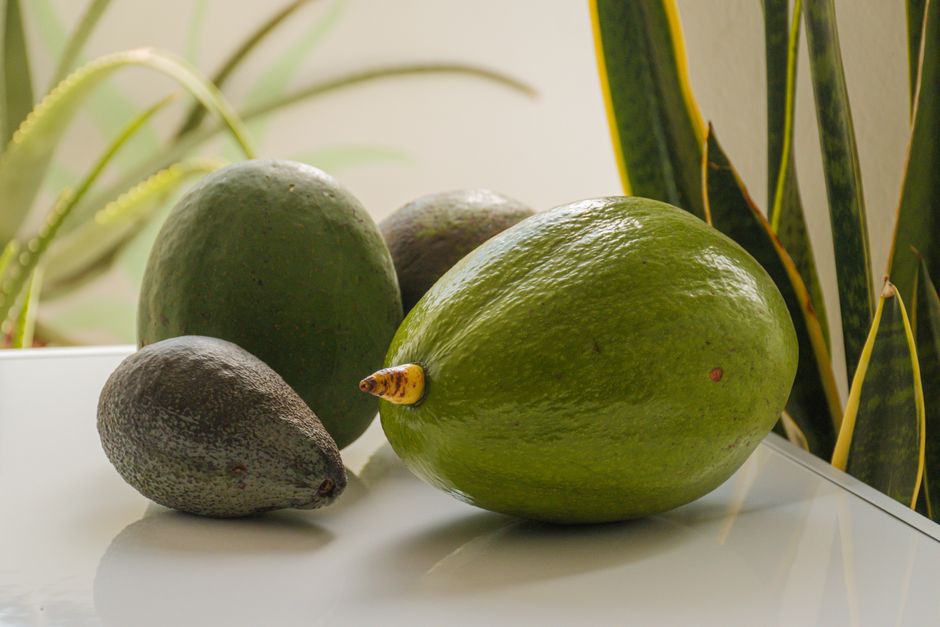
Avocados are often called a “healthy fat,” but that label doesn’t automatically mean they help with weight loss. The real answer depends on portion size and how you fit them into your total daily calories.
Is avocado good for weight loss? Yes, it can be, but only when eaten in controlled portions. Avocados are high in calories and fat, yet they also provide fiber and monounsaturated fats that support fullness and steady blood sugar. The key is that they are calorie-dense, so eating half an avocado adds roughly 120 to 160 calories depending on size, and that must fit within your daily energy budget.
Most weight loss advice gets stuck on “good” versus “bad” foods, and avocados often get caught in that trap. The truth is more practical. This article explains what the research actually shows, how many calories you are really dealing with, and the simple portion strategy that lets you keep avocado in your diet without stalling your progress. You will also see how avocado compares to other common fats and get clear answers to the questions people ask most.
Key Points at a Glance
| Point | What It Means | Why It Matters |
|---|---|---|
| Calorie density | One whole avocado has roughly 240 to 320 calories | You must account for these calories in your daily total |
| Fiber content | About 7 to 10 grams of fiber per whole fruit | Fiber slows digestion and increases fullness |
| Fat quality | Mostly monounsaturated fat, the same type found in olive oil | This fat supports heart health and satiety |
| Portion control | One-third to one-half of an avocado is a reasonable serving | This keeps calories moderate while still providing benefits |
| Replacement value | Avocado works best when it replaces less healthy fats | Substitution matters more than adding it on top of your usual diet |
What Does the Research Say About Avocados and Weight?
Studies have looked at avocado intake and body weight, and the results are generally positive but modest. Some research suggests that people who eat avocados regularly tend to have lower body weight and smaller waist measurements compared to non-consumers. However, these are observational studies, which means they show a link, not proof that avocados cause weight loss.
One reason avocados may help is their effect on fullness. A small study found that adding half an avocado to a meal increased satisfaction and reduced the desire to eat for several hours afterward. That effect likely comes from the combination of fiber and fat, which slows stomach emptying and keeps you feeling satisfied longer. I always notice this myself — when I add avocado to a salad, I am not hungry an hour later the way I am with a low-fat dressing.
How Many Calories Are in an Avocado, Really?
A whole medium avocado contains roughly 240 to 320 calories, depending on its size and variety. That number surprises most people because avocado feels light and fresh, but it is one of the most calorie-dense fruits you can eat. For comparison, a medium apple has about 95 calories, so an avocado is roughly three times that amount.
The fat content is the reason. A whole avocado has about 21 to 29 grams of fat, and fat provides 9 calories per gram, while carbohydrates and protein provide only 4. That does not make avocado bad — it just means you need to measure it rather than guess. A practical rule is to stick to one-third or one-half of a fruit per serving, which lands you in the 80 to 160 calorie range.
Practical tip: Use your TDEE calculator to find your maintenance calories first. Then decide where avocado fits into your daily deficit. That single step removes all the guesswork.
Is Avocado Good for Weight Loss Compared to Other Fats?
Avocado performs well when compared to butter, margarine, or processed oil spreads. It provides fiber and potassium, which those other fats do not. But compared to a simple olive oil vinaigrette, the difference is mostly nutritional, not caloric — both are dense in calories, and both need portion control.
The bigger mistake people make is adding avocado to meals that already contain other fats. If you eat eggs fried in butter and then add half an avocado on top, you have just doubled the fat in that meal. Instead, swap the butter for a small amount of avocado, or use avocado in place of cheese or creamy dressings. That substitution is what makes avocado genuinely helpful for weight management rather than just another source of extra calories.
How to Eat Avocado for Weight Loss Without Overdoing It
Start by measuring your portion before you eat. Cut the avocado in half, remove the pit, and eat only one half at most. If you want to be more precise, use a food scale — 50 to 75 grams of avocado is a solid single serving that gives you the creamy texture without blowing your calorie budget.
Pair avocado with protein and vegetables rather than with bread or chips. A half avocado mashed onto whole-grain toast with a poached egg is a balanced meal. Guacamole with raw vegetables works too, but measure the guacamole the same way you would measure any other dip. One specific thing I do is prep single servings in small containers so I never eat straight from the bowl — that habit alone keeps my portions honest.
Frequently Asked Questions
Related Articles
Is avocado good for weight loss if I eat it every day?
Yes, but only if the calories fit within your daily target. A daily half-avocado serving is fine for most people, while a whole avocado every day may push you over your deficit.
Should I avoid avocado because it is high in fat?
No, the fat in avocado is mostly the heart-healthy monounsaturated type. The issue is calorie density, not fat quality, so portion control is the real concern.
Does avocado help you feel full longer?
Yes, the fiber and fat combination slows digestion and increases satiety. Some studies suggest that adding avocado to a meal reduces the desire to eat for several hours afterward.
Can I eat avocado at night and still lose weight?
Yes, the time of day does not matter for weight loss. What matters is your total calorie intake across the whole day, not when you eat a specific food.
Is guacamole as good for weight loss as plain avocado?
Guacamole is fine if it is made with simple ingredients, but restaurant versions often add extra oil, salt, and lime. Check the calorie count and measure your serving the same way you would plain avocado.
How much avocado should I eat per day for weight loss?
One-third to one-half of a medium avocado is a reasonable daily serving for most people. This gives you roughly 80 to 160 calories, which fits into most weight loss plans without causing a problem.
Avocado can absolutely be part of a weight loss diet when you treat it as a measured fat, not a free food. The evidence supports its role in increasing fullness and improving diet quality, but no food overrides your total calorie balance. Use a TDEE calculator to set your daily target, then let a half avocado be a regular part of your meals without guilt.

The TDEECAL Team writes about nutrition, metabolism, and fat loss the way we built our calculator, with real numbers and no hype. We dig into the research so you don’t have to guess.